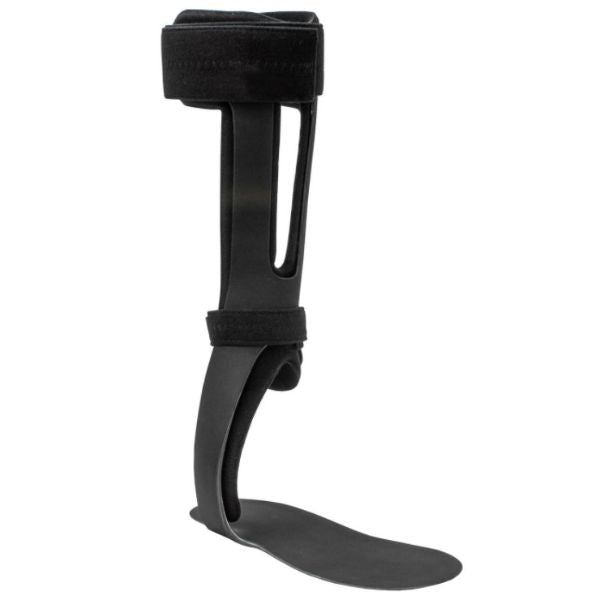
Ankle-Foot Orthosis (AFO) braces provide critical support and stability for many foot and ankle conditions — but comfort problems are common and often easy to fix. Below are the most effective adjustments you or your clinician can make to dramatically improve comfort and reduce returns.
Quick Fix: Stop the Foot from Touching the AFO Plate
- Remove the shoe's insole to make room for the AFO.
- Place the AFO on the shoe's midsole (inside the shoe).
- Add a thin comfort insole (e.g., a Dr. Scholl's-type insert) above the AFO so your foot rests on the insert — not on the carbon plate.
This simple change often eliminates "hard plate" discomfort instantly.
1) Dial in Fit & Position
- Snug, not tight: You should be able to slide one finger between brace and leg (mid-calf).
- Heel fully seated: Center the brace and make sure the heel sits fully in the heel cup.
- Recheck after changes: Weight change or swelling can alter fit — adjust as needed.
2) Size Range Matters (and When to Trim)
Many AFOs are sold in size ranges (Small/Medium/Large, etc.) rather than exact shoe sizes. If the footplate is too long or bulky to fit inside your shoe, you have two options:
- Choose the next smaller size if it will still provide the needed support; or
- Have a professional trim it — carbon fiber AFOs can be custom-cut by an orthotist for proper fit and comfort.
3) Sock, Liner & Padding Setup
- Use thin, seamless, moisture-wicking socks (avoid cotton); smooth out wrinkles before donning.
- AFO interface liners reduce friction and wick sweat.
- Spot-pad pressure points with thin foam or gel pads; start minimal to avoid creating new hot spots.
4) Shoe Features that Work
- Roomy shoe with removable insoles (athletic or orthopedic styles are best).
- Deep toe box & firm heel counter for stability.
- Laces or adjustable straps to fine-tune volume.
- Often 1–2 sizes larger is needed once the AFO is inside.
5) Control Heat & Moisture
- Wash and dry skin before wear; consider antiperspirant per provider advice.
- Air the brace out during the day if possible; always remove at night.
- Clean the brace regularly with mild soap and water; dry fully before reuse.
6) Break-In Schedule
- Start with 1–2 hours/day; add time gradually over 2–4 weeks.
- Mild redness that fades in ~20–30 minutes can be normal; persistent redness, blisters, or pain are not — adjust or contact a professional.
7) Maintenance & Skin Care
- Inspect for cracks, rough edges, or worn straps; replace worn parts promptly.
- Moisturize at night (not right before wearing) to avoid slippage.
- Address any skin issues immediately; pause use and consult your clinician if needed.
When to Call a Professional
- Severe pain or pressure that doesn't improve with adjustments
- Blisters, open sores, or persistent redness
- Numbness, tingling, unusual swelling, or color changes
- Brace damage or if support suddenly feels inadequate
Shop Our Össur Carbon Fiber AFO Braces


Both models are available in size ranges (S/M/L/XL). A prosthetic & orthotic clinic can trim the footplate if needed for your shoe. Browse all Össur AFO braces →
Frequently Asked Questions
Why does my AFO brace feel uncomfortable?
Most AFO discomfort comes from improper fit, the foot resting directly on the carbon plate, or wearing the wrong socks. Start by removing your shoe's insole and placing a thin comfort insole above the AFO so your foot rests on the insert rather than the hard plate.
What socks should I wear with an AFO brace?
Use thin, seamless, moisture-wicking socks — avoid cotton. Smooth out any wrinkles before putting on the brace. AFO interface liners can also reduce friction and improve comfort significantly.
What shoes work best with an AFO brace?
Look for shoes with removable insoles, a deep toe box, a firm heel counter, and laces or adjustable straps. You may need to go 1–2 sizes larger than your normal shoe size to accommodate the AFO inside.
How long does it take to break in an AFO brace?
Most people adjust within 2–4 weeks. Start with 1–2 hours per day and gradually increase wear time. Mild redness that fades within 20–30 minutes is normal; persistent redness, blisters, or pain means you need to adjust fit or consult your clinician.
Can an AFO brace be trimmed if it's too long?
Yes. Carbon fiber AFO braces can be professionally trimmed by an orthotist or prosthetic and orthotic clinic. If the footplate is too long to fit inside your shoe, this is often the best solution rather than sizing up.
When should I see a professional about my AFO brace?
Contact your clinician if you experience severe pain, blisters, open sores, persistent redness, numbness, tingling, unusual swelling, or if the brace feels damaged or no longer provides adequate support.