

Use this bar to show information about your cookie policy.
Knee Ligament Tear / Sprain
17 products
Showing 1 - 17 of 17 products
Knee Ligament Tear & Sprain Braces — Torn ACL, MCL Sprain & Knee Ligament Injury Support
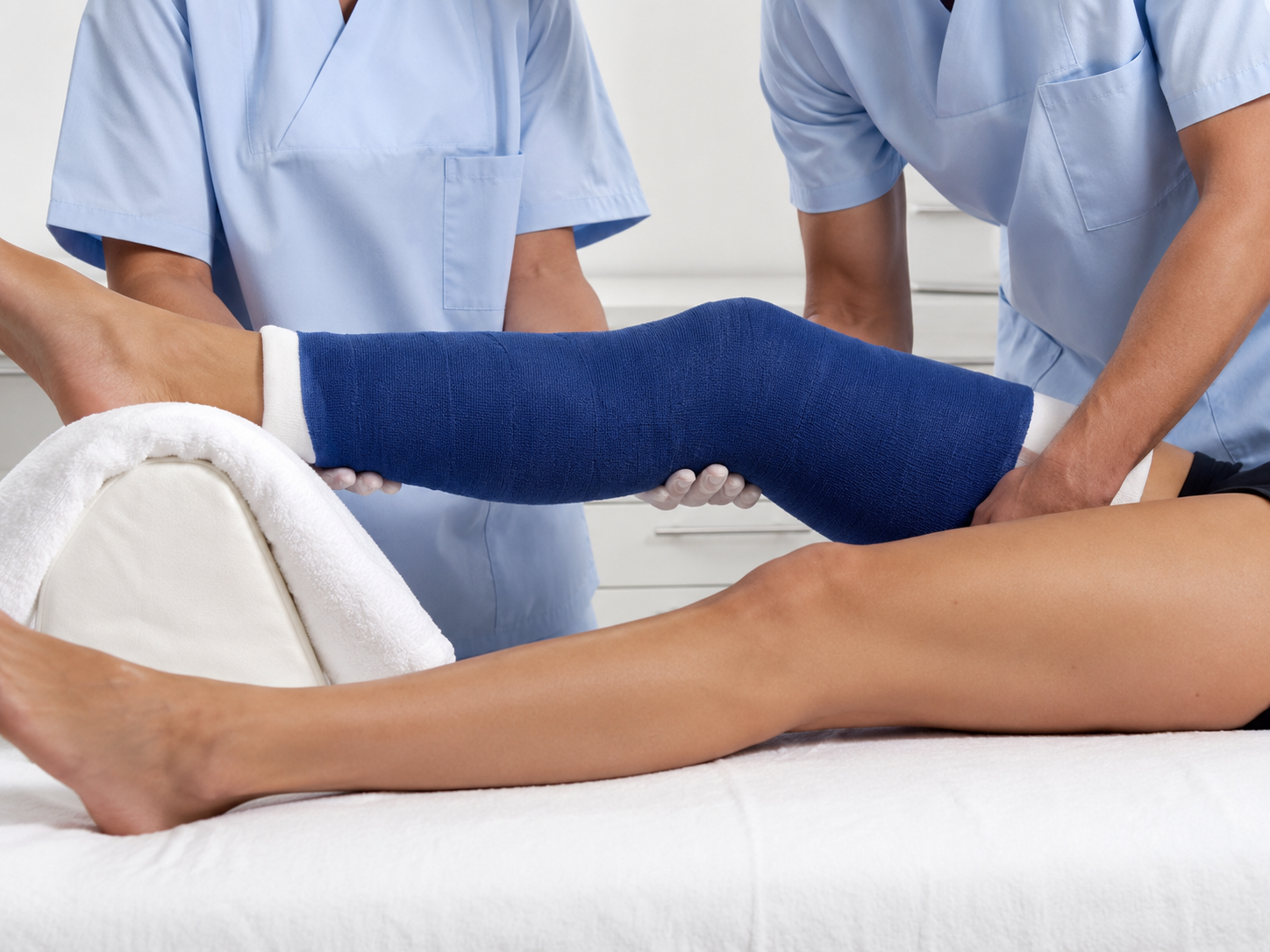
A knee ligament tear or knee sprain — whether a torn ACL, MCL sprain, PCL injury, or LCL tear — requires the right brace to protect the joint, control instability, and support recovery. OrthoTape carries clinician-recommended hinged knee braces, post-op ROM braces, OA unloader braces, and compression sleeves from Ossur, DonJoy, DeRoyal, and eLife — the same brands used by orthopedic surgeons and sports medicine physicians nationwide.
Understanding Knee Ligament Injuries
The four major knee ligaments each play a distinct role in joint stability. An ACL tear (anterior cruciate ligament) is the most common serious knee ligament injury, typically occurring during sudden stops, jumps, or direction changes in sports like basketball, soccer, and skiing. An MCL sprain (medial collateral ligament) results from a blow to the outer knee or a twisting injury and often heals without surgery. PCL and LCL injuries are less common but equally important to brace correctly.
Knee Ligament Injury Severity — Which Brace Do You Need?
Grade
Description
Recommended Brace
Recovery
Grade 1 — Mild Sprain
Stretched ligament, minimal instability
Compression sleeve or soft hinged brace
2–4 weeks
Grade 2 — Partial Tear
Partial ligament tear, moderate instability
Rigid hinged knee brace
4–8 weeks
Grade 3 — Complete Tear
Full rupture, major instability — often requires surgery
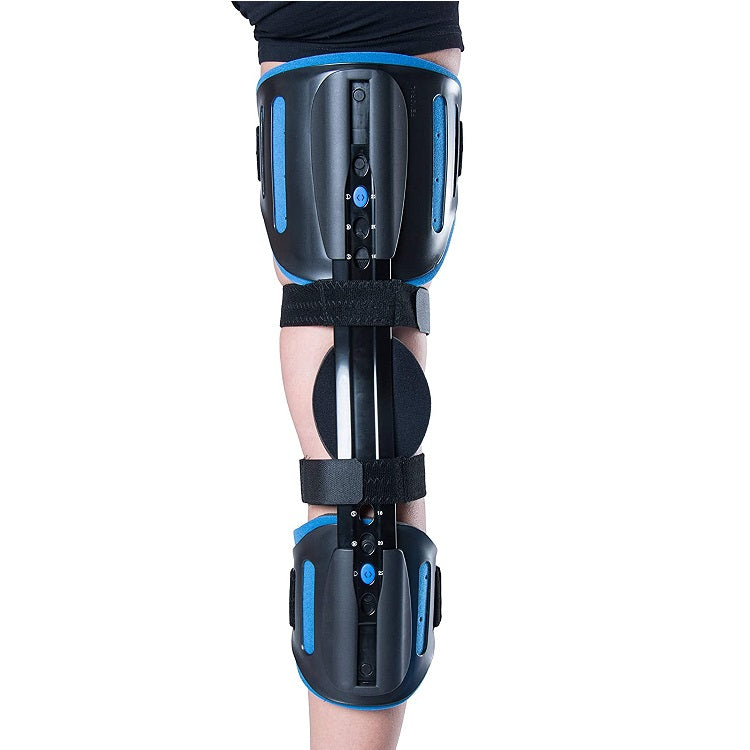
Hinged knee braces provide medial and lateral rigid support to prevent harmful side-to-side movement and hyperextension — the primary mechanism of re-injury in a knee ligament tear. They are the standard of care for Grade 2–3 ACL, MCL, PCL, and LCL injuries during recovery and return to sport.
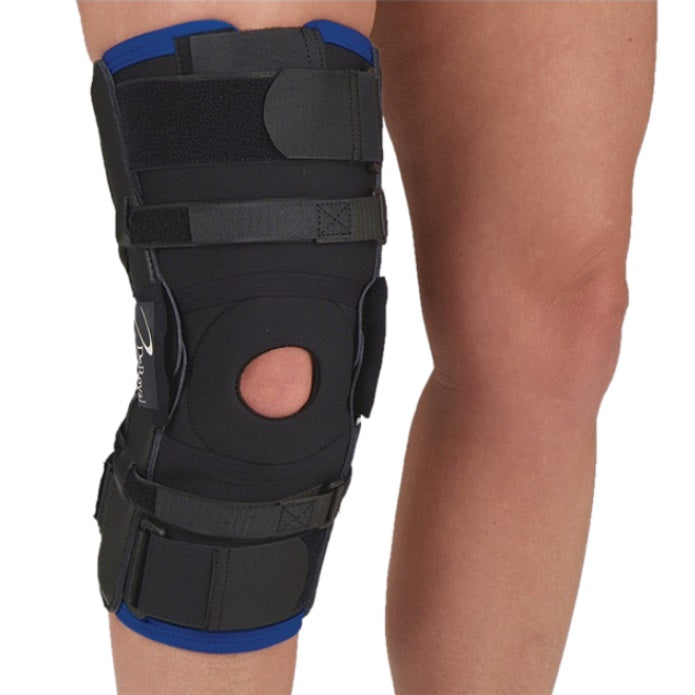
DeRoyal Warrior II Hinged Knee Brace — Advanced support for ACL, PCL, MCL, and LCL injuries; anti-migration strips; optional flexion/extension stops 0–100°
DeRoyal Hypercontrol Hinged Knee Brace — Criss-cross strapping to prevent hyperextension; ideal for Grade 1–2 ACL/PCL sprains and varus/valgus instability
DonJoy Playmaker II Knee Brace — Functional ligament brace with spacer fabric; ideal for athletes returning to sport after ACL/MCL injury
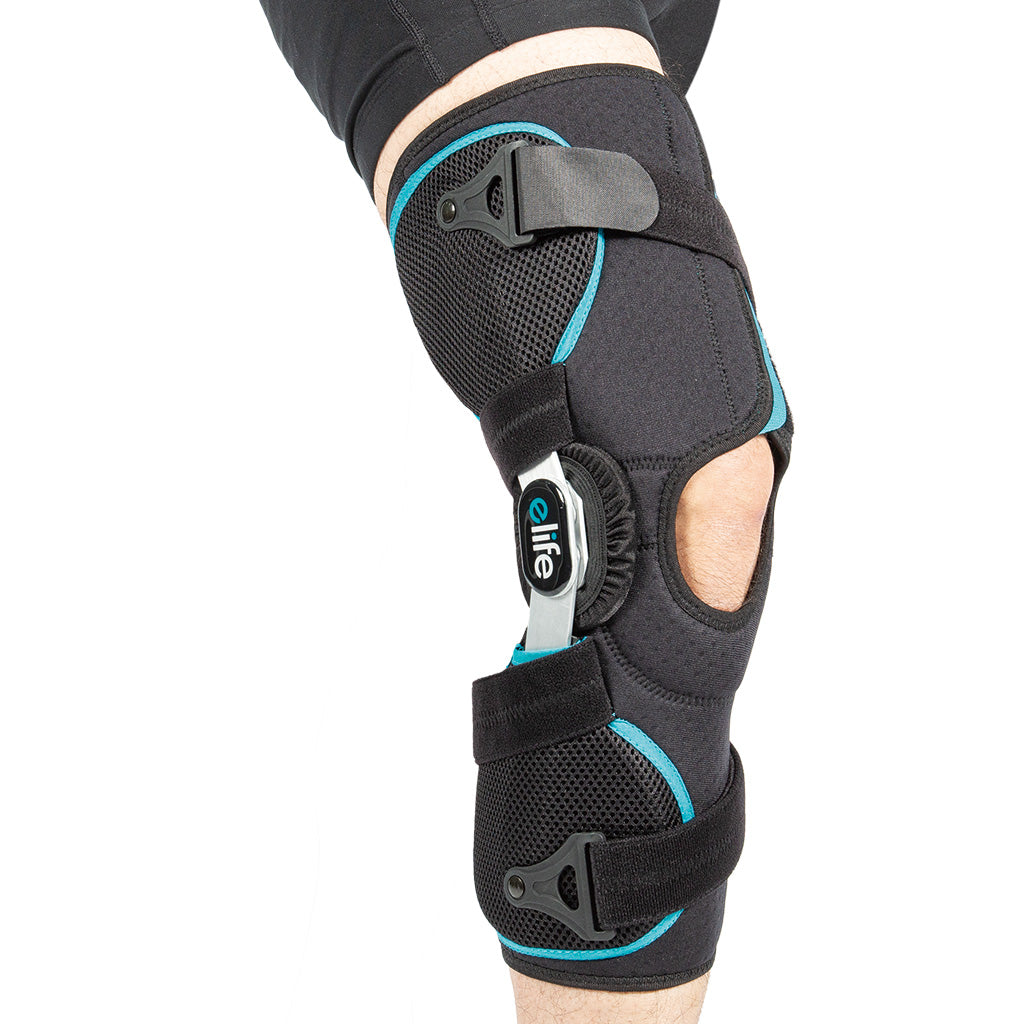
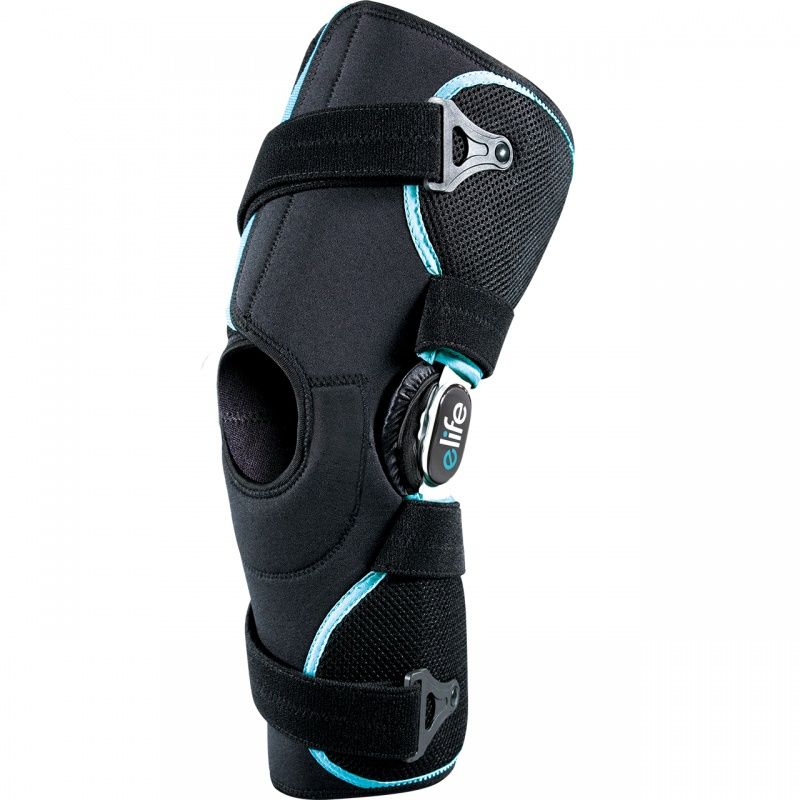
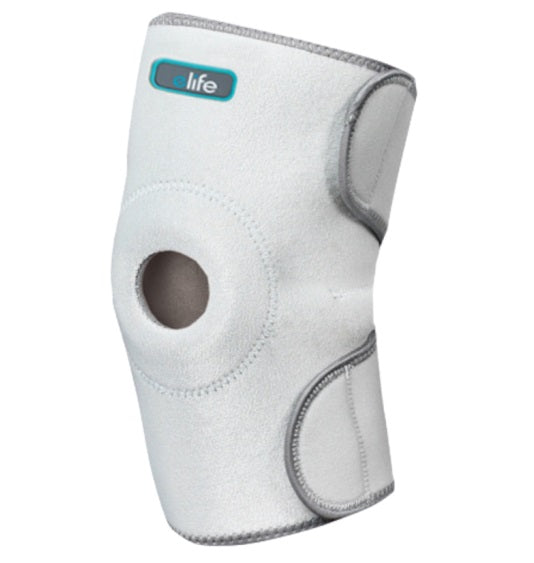
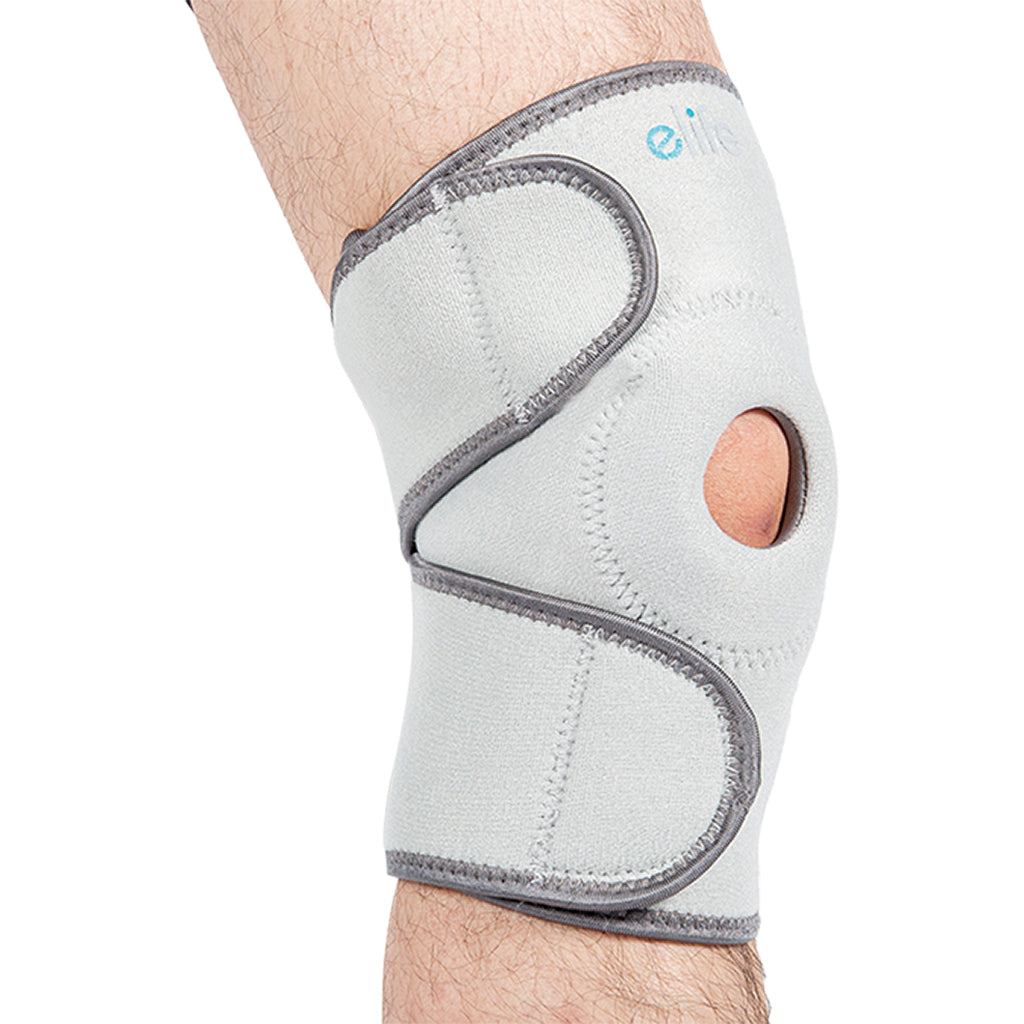
eLife Hinged Knee Support – Neoprene Universal Fit — Mild-to-moderate ligament support; comfortable for daily wear
Post-Op ROM Braces — For ACL Surgery & Knee Reconstruction Recovery
After a torn ACL reconstruction or other knee ligament surgery, a post-op ROM brace controls flexion and extension angles during staged rehabilitation. Adjustable hinge stops are set by your surgeon and progressively unlocked as healing advances.
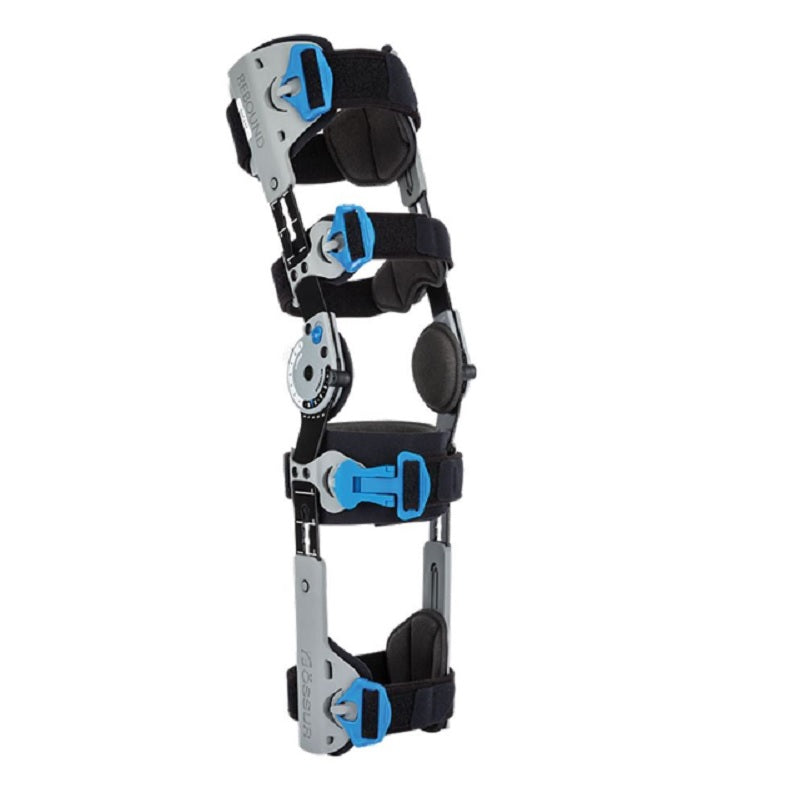
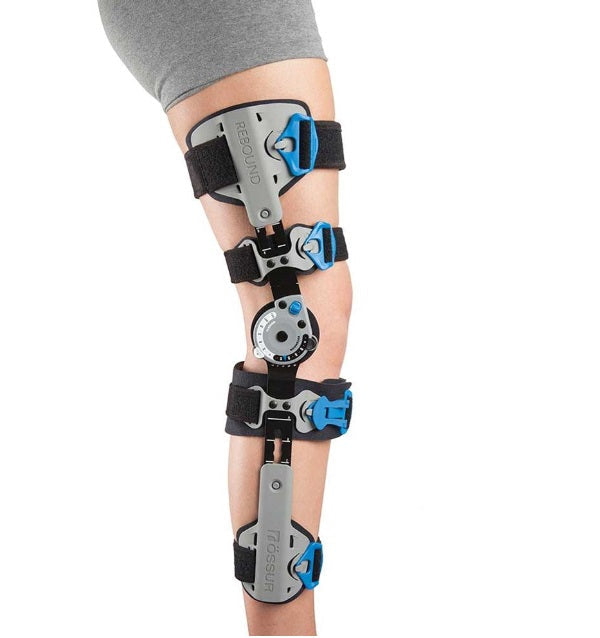
Ossur Rebound Post-Op Hinged Knee Brace — One-touch ROM hinge with lock-out; telescoping frame 18.5–27”; lightweight; color-coded buckles for patient education
DeRoyal Warrior Recovery Post-Op Hinged ROM Knee Brace — Four preset drop-lock settings (0°, 15°, 30°, 45°); ROM hinge in 10° increments; universal fit 18–29”
OA Unloader Braces — For Knee Osteoarthritis & Cartilage Injuries
For patients with knee osteoarthritis alongside a ligament injury, OA unloader braces redistribute weight away from the damaged compartment using a 3-point leverage system — reducing bone-on-bone pain without surgery.
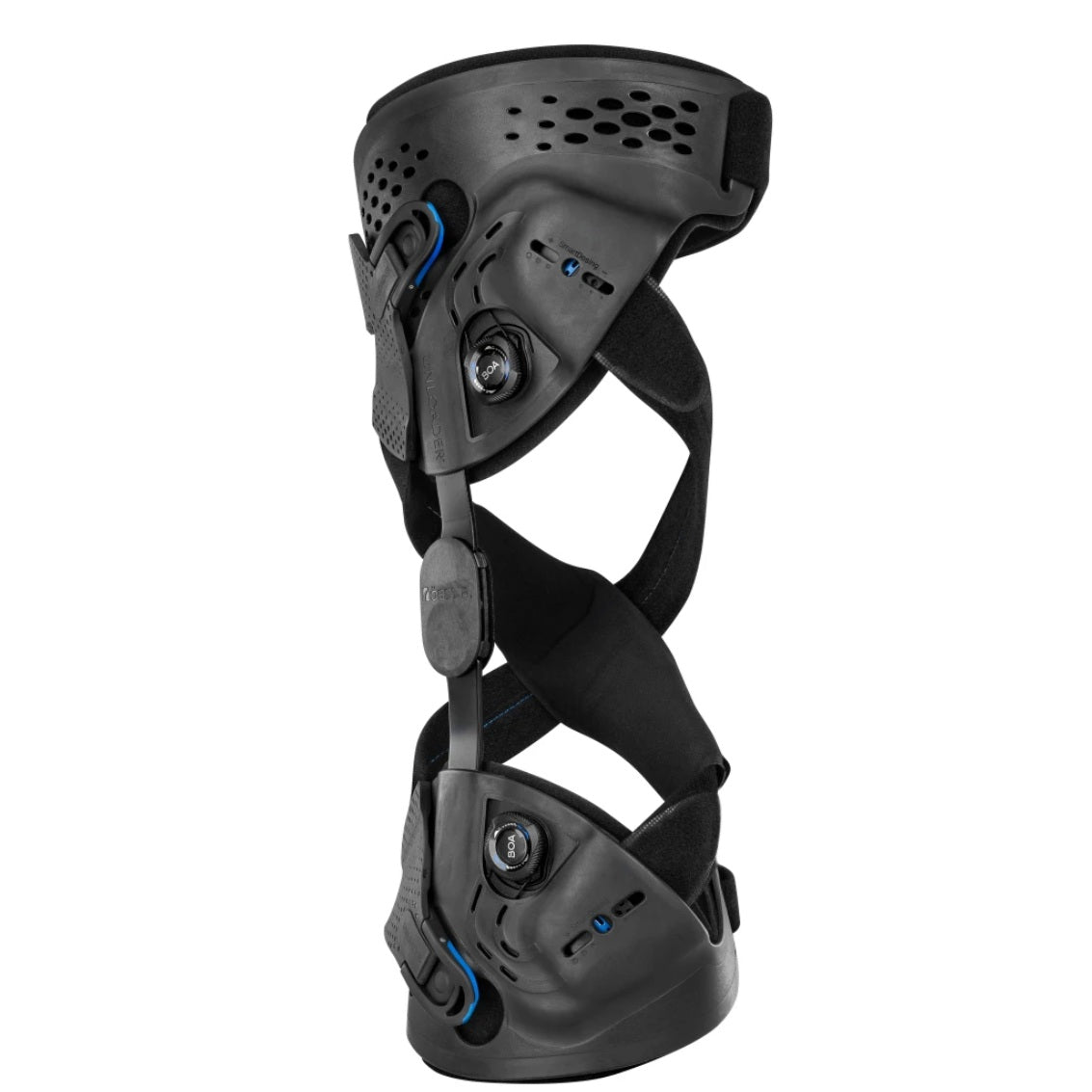
Ossur Unloader One X — Clinically proven; SmartDosing dials for tool-free tension adjustment; anti-migration calf strap
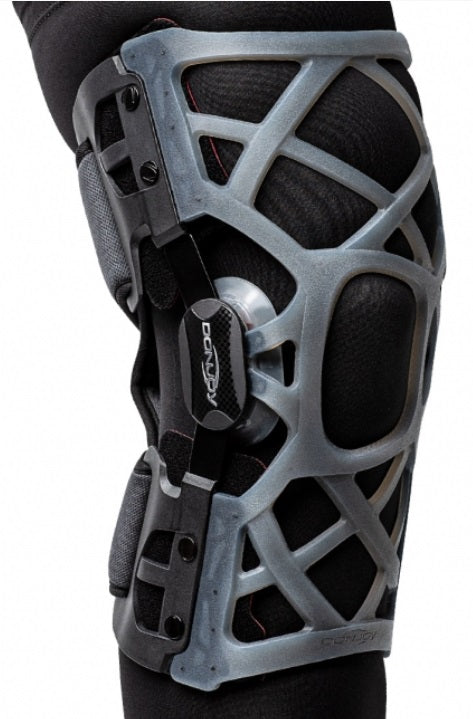
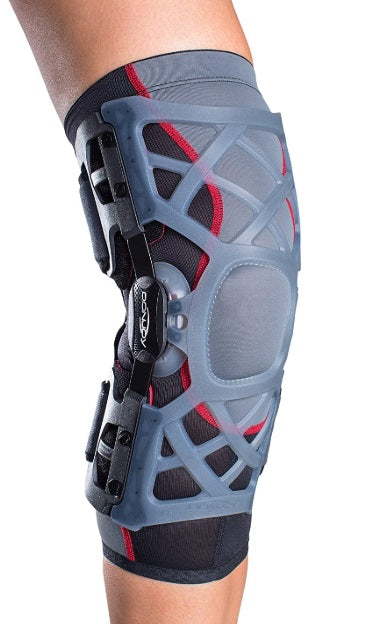
DonJoy OA Reaction Web — Patented silicone web technology; low-profile; fits under clothing
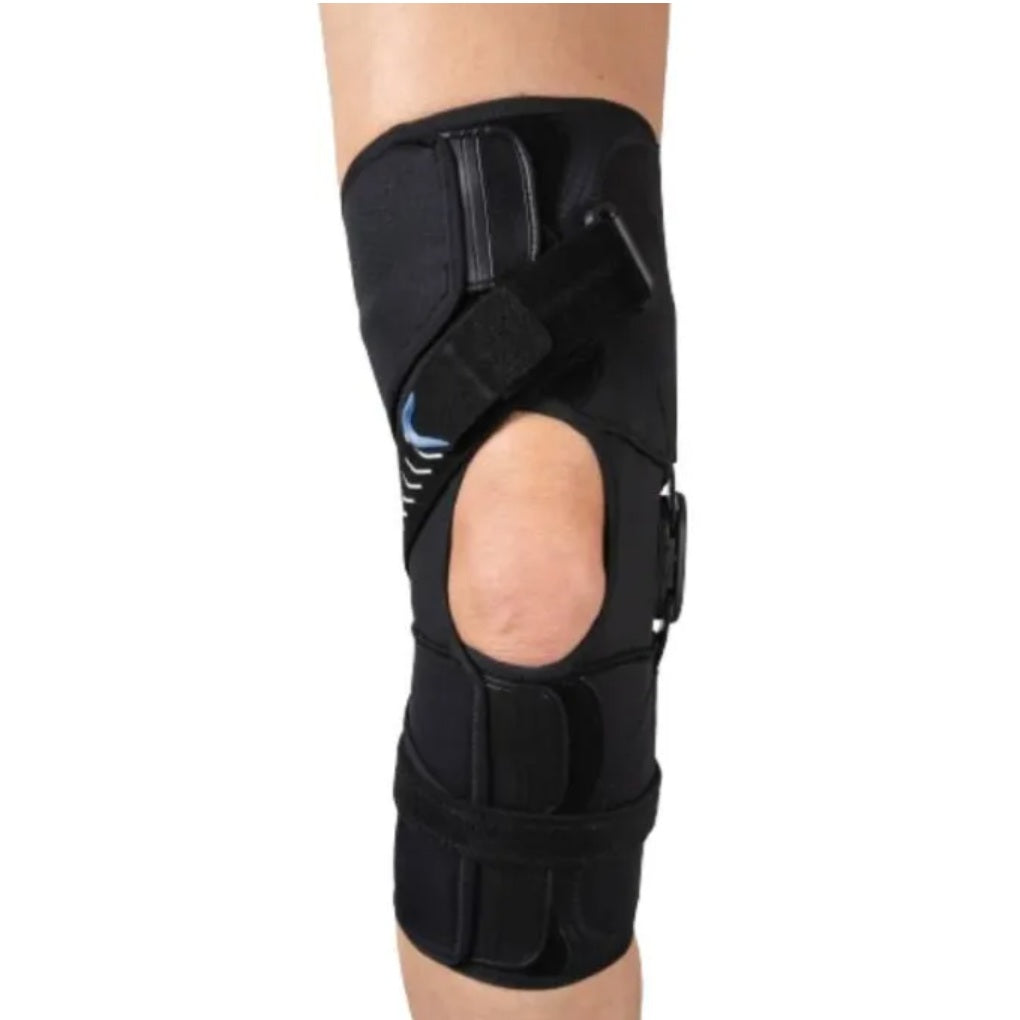
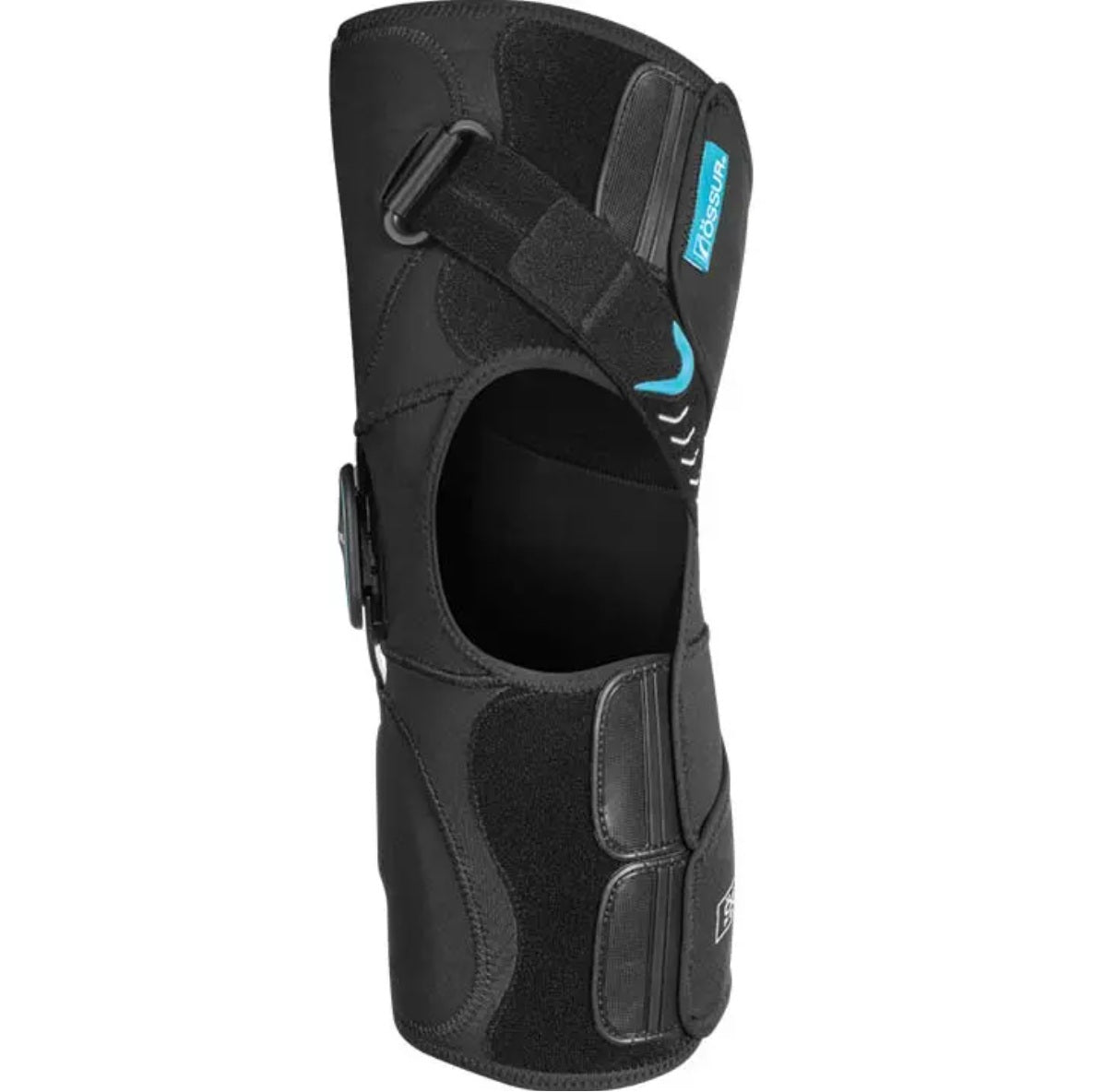
Ossur FormFit OA Ease — Lightweight single-upright; Dynamic Force System strap; machine washable
Compression Sleeves — For Mild Knee Sprain & Pain Relief
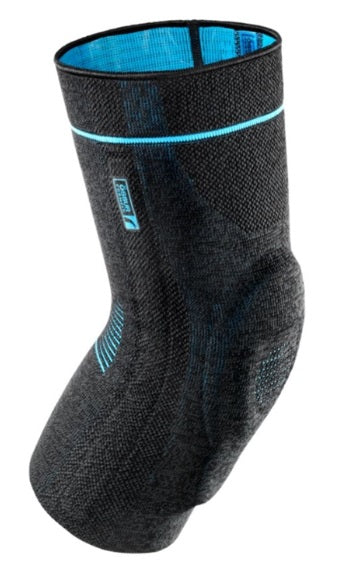
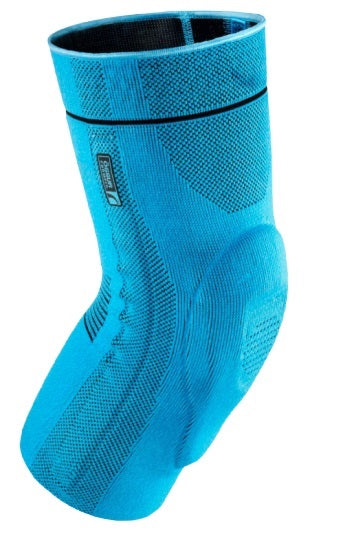
For Grade 1 knee sprains, mild instability, or post-activity swelling, medical-grade compression sleeves (20–30 mmHg) improve circulation, reduce inflammation, and provide proprioceptive feedback to the joint.
Ossur FormFit Pro Knee — SmartPad patellar buttress; MotionTech 3D knit; certified medical-grade compression
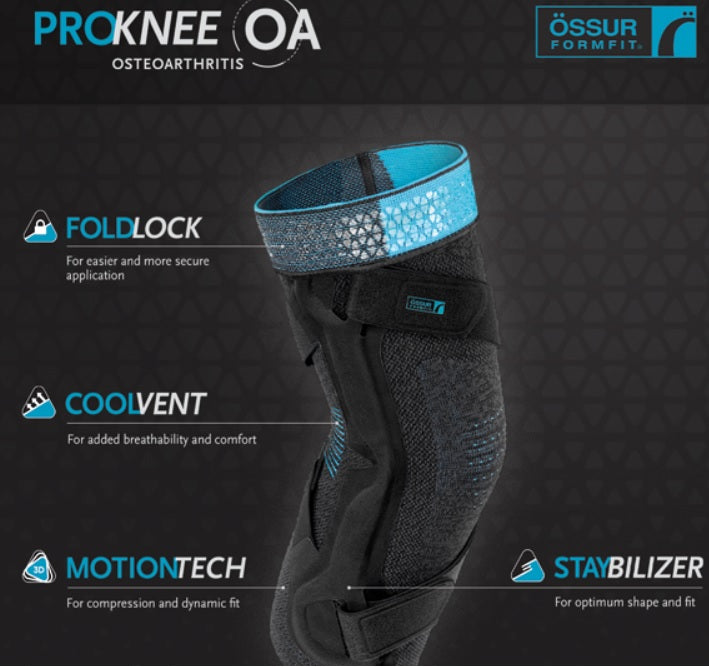
Ossur FormFit Pro OA — Dynamic Force Strap for early-stage OA; CoolVent popliteal technology
Why OrthoTape
Authorized dealer of Ossur, DonJoy, DeRoyal — authentic products with full manufacturer warranties
FSA/HSA eligible — use your benefits card at checkout
HCPCS codes provided (L1845, L1852, L1833, L1830) for insurance reimbursement support
Fast US shipping — most orders ship same day by 3 PM EST
Medical disclaimer: Always follow your orthopedic surgeon’s or physical therapist’s brace protocol. Products on this page are intended to support recovery under the guidance of a licensed healthcare provider.
For a torn ACL without surgery, a rigid hinged knee brace (such as the DeRoyal Warrior II or DonJoy Playmaker II) provides the medial/lateral stability needed to prevent re-injury during recovery and return to sport. After ACL surgery, a post-op ROM brace (Ossur Rebound or DeRoyal Warrior Recovery) is prescribed to control range of motion during the initial healing phase, followed by a functional hinged brace for return to activity.
Do I need surgery for a torn ACL?
Not always. Partial ACL tears (Grade 1–2) in less active individuals can often be managed conservatively with a hinged knee brace and physical therapy. Complete ACL tears (Grade 3) in athletes or active individuals typically require surgical reconstruction for full stability. Your orthopedic surgeon will evaluate the degree of the tear, your activity level, and knee stability to recommend the best treatment path.
How long does an MCL sprain take to heal?
Most MCL sprains heal without surgery. A Grade 1 MCL sprain typically recovers in 2–4 weeks with a compression sleeve and rest. A Grade 2 partial MCL tear takes 4–8 weeks with a hinged knee brace and physical therapy. A Grade 3 complete MCL tear may take 8–12 weeks and occasionally requires surgery if combined with other ligament damage. A hinged brace is the cornerstone of MCL sprain treatment at all grades.
What is the difference between a knee ligament tear and a knee sprain?
A knee sprain and a knee ligament tear refer to the same type of injury — damage to one or more of the four knee ligaments (ACL, PCL, MCL, LCL). “Sprain” is the clinical term for any ligament injury, ranging from a mild stretch (Grade 1) to a complete rupture (Grade 3). A “tear” typically implies a more significant partial or complete disruption of the ligament fibers.
How long do you wear a knee brace after ACL surgery?
Most ACL reconstruction protocols require a post-op ROM brace for 4–6 weeks immediately after surgery, with hinge settings progressively unlocked by your surgeon. A functional hinged brace is then typically worn for return to sport — often through 6–12 months post-op. Your orthopedic surgeon will prescribe the specific brace type, ROM settings, and wear schedule based on your graft type and rehabilitation progress.
Does insurance cover knee braces for ACL or MCL injuries?
Many hinged knee braces and post-op ROM braces qualify for insurance reimbursement when prescribed by a physician. OrthoTape provides detailed receipts with HCPCS codes (L1845, L1852, L1833, L1830) to support your insurance claim. FSA and HSA cards are accepted at checkout. Check with your insurance provider for your specific coverage details.