
Use this bar to show information about your cookie policy.
MOBILITY
18 products
Showing 1 - 18 of 18 products
Mobility Aids — Rollators, Wheelchairs, Knee Scooters & More
OrthoTape carries a focused selection of clinical-grade mobility aids for seniors, post-surgical patients, and anyone recovering from a lower extremity injury. From rolling walkers and wheelchairs to hands-free knee scooters and bathroom safety equipment, our mobility collection helps patients maintain independence and move safely during recovery.
Mobility Products We Carry
Rollators & Rolling Walkers — wheeled walkers with hand brakes, padded seats, and foldable frames for seniors and patients with balance or endurance limitations
Wheelchairs — manual and transport wheelchairs for patients with limited or no independent ambulation
Knee Scooters — hands-free, wheeled alternative to crutches for lower leg, ankle, and foot injuries; allows patients to remain mobile without bearing weight on the injured limb
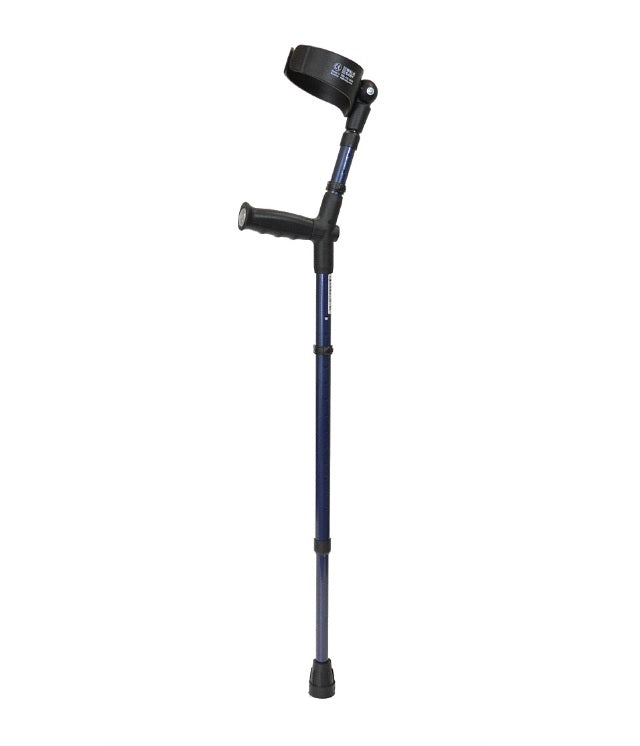
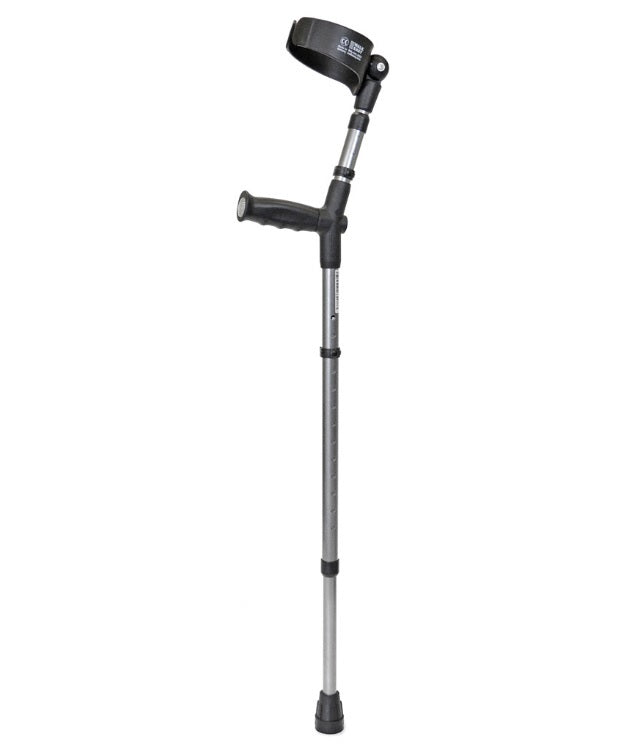
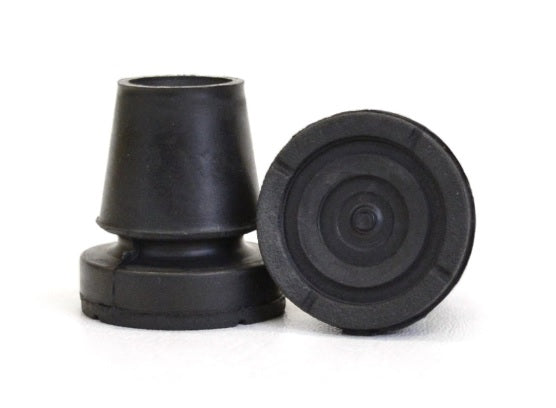
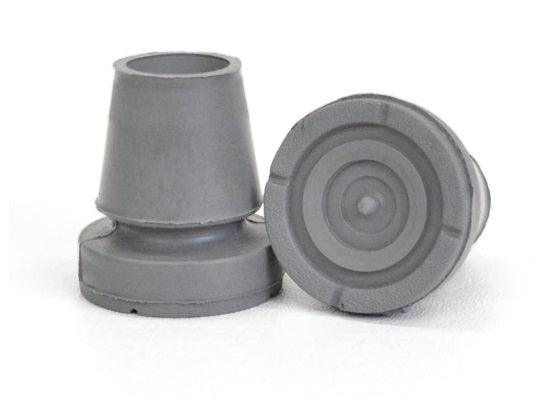
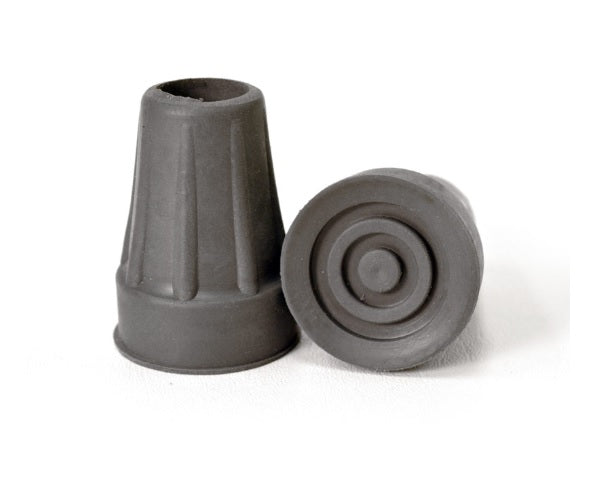
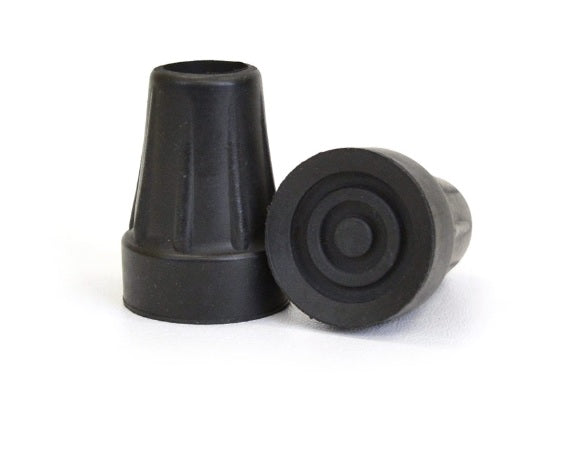
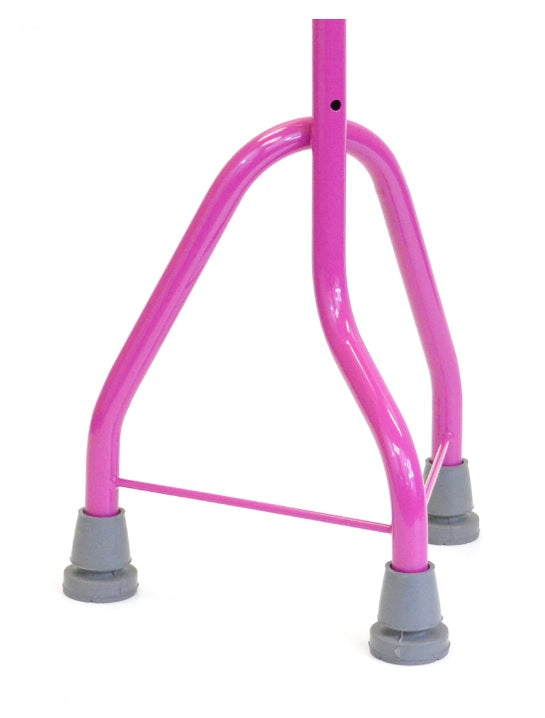
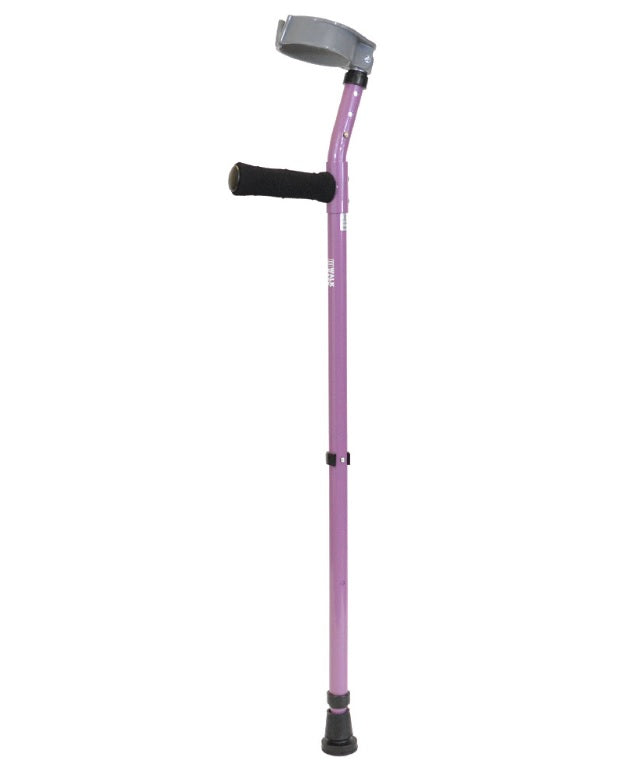
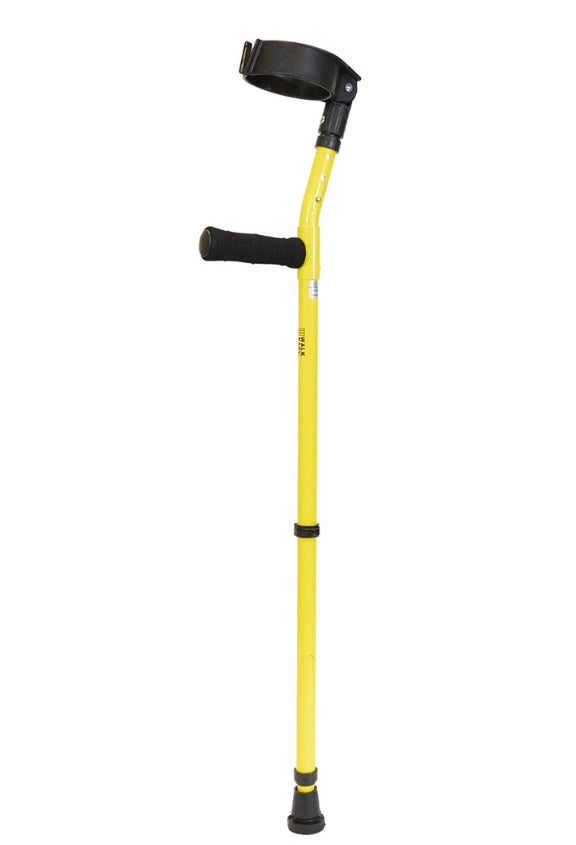
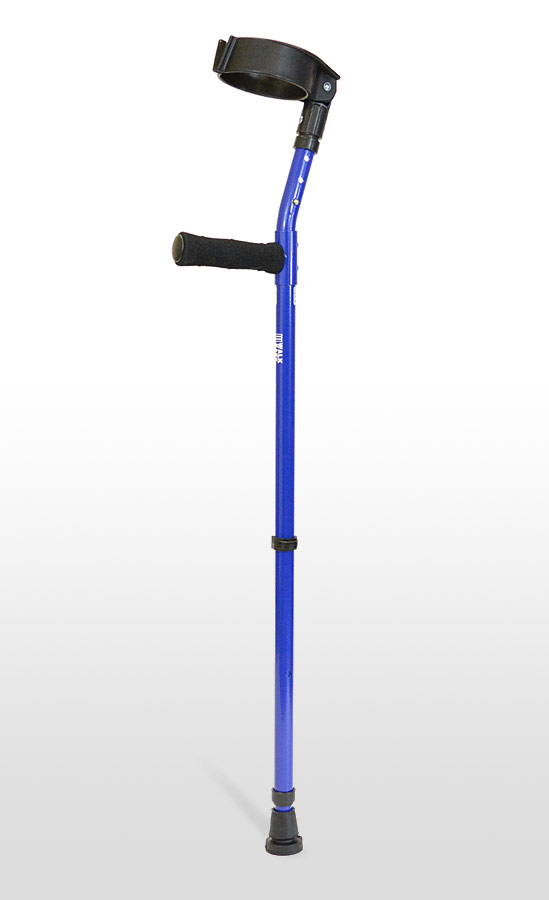
Crutch & Cane Parts — Walk Easy replacement crutch tips in Pivoflex flex-action and large natural rubber styles
Bathroom Safety — grab bars, shower chairs, and safety accessories for fall prevention at home
Who Needs Mobility Aids?
Seniors with balance issues, weakness, or fall risk
Patients recovering from hip or knee replacement surgery
Anyone with a lower leg, ankle, or foot injury who cannot bear weight
Patients with neurological conditions (stroke, MS, Parkinson's) affecting gait and balance
Patients transitioning from a wheelchair to independent walking
Anyone needing bathroom safety equipment to prevent falls at home
Choosing the Right Mobility Aid
Rollator: Best for patients who can walk but need balance support and a rest option. Rolls forward continuously — easier than a standard walker for longer distances.
Wheelchair: Best for patients who cannot walk or need to conserve energy over longer distances.
Knee scooter: Best for lower leg, ankle, or foot injuries where the patient cannot bear weight but has good upper body strength and balance. Hands-free alternative to crutches.
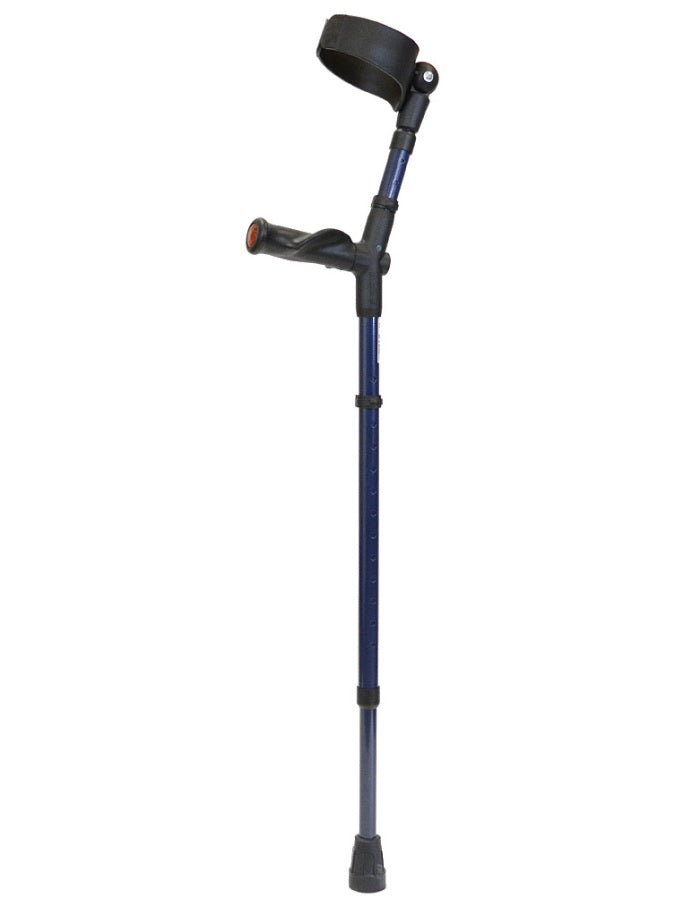
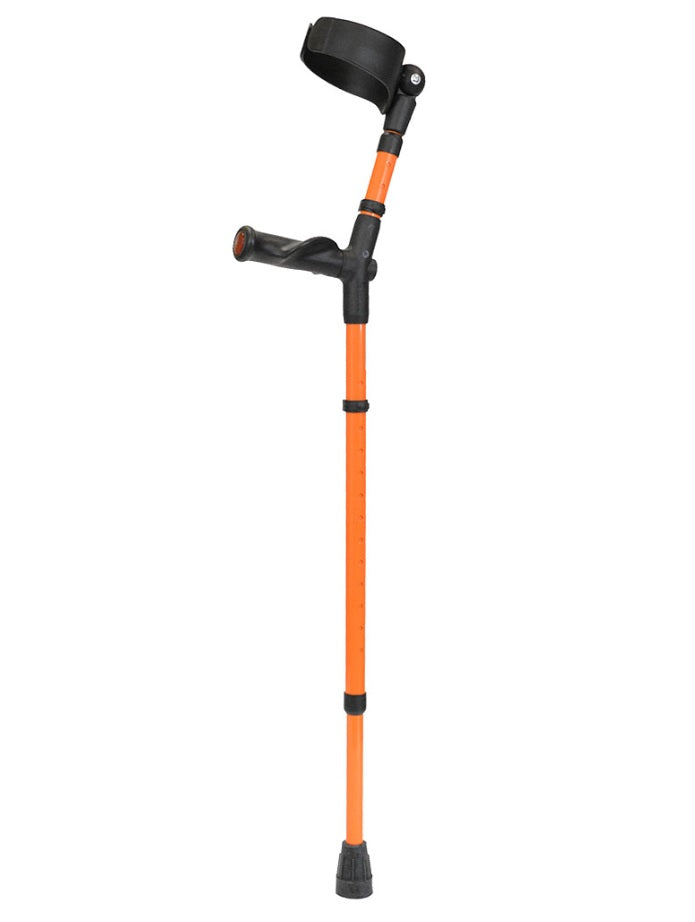
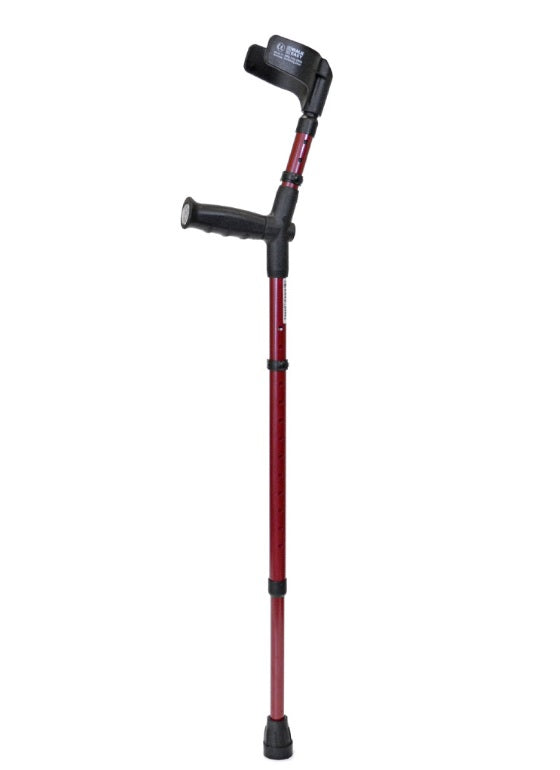
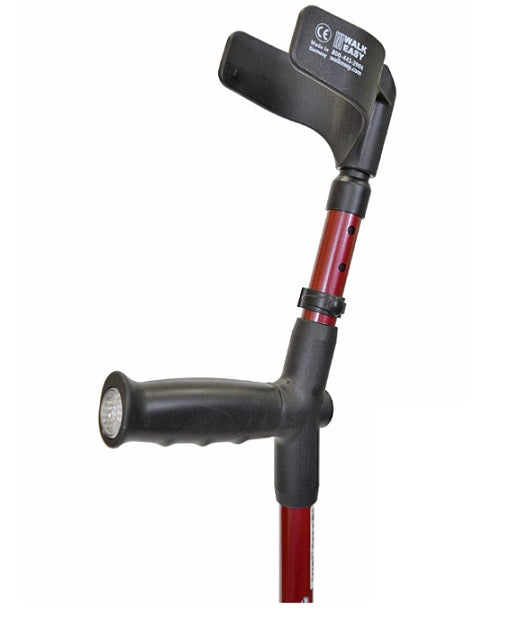
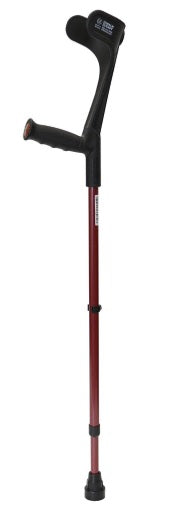
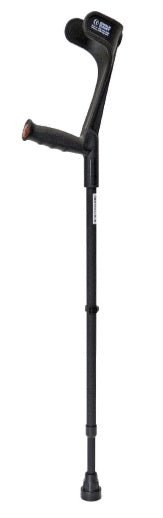
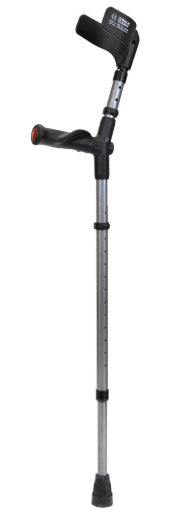
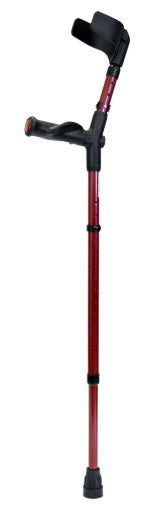
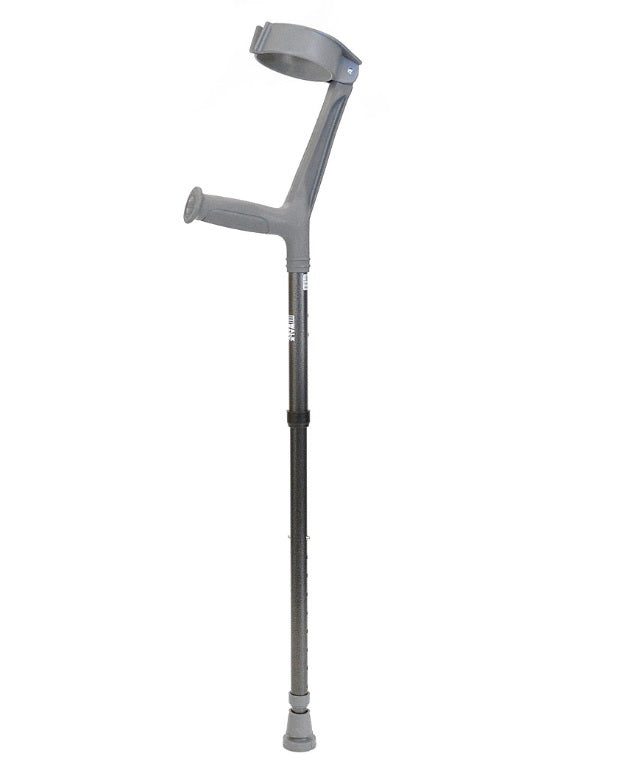
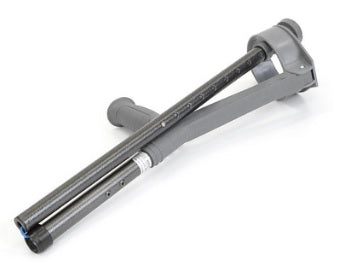
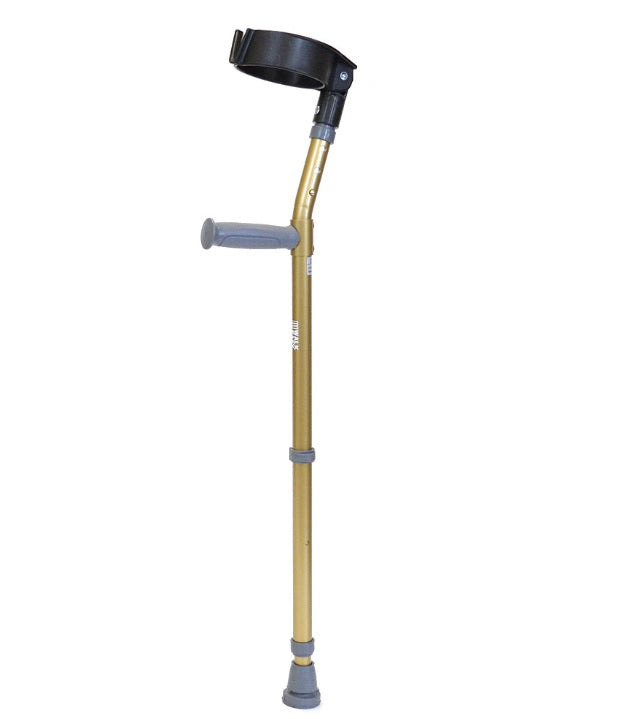
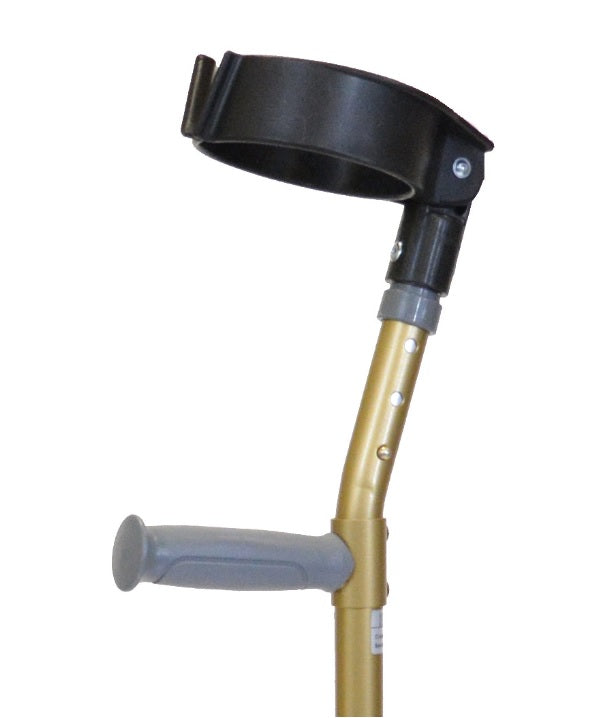
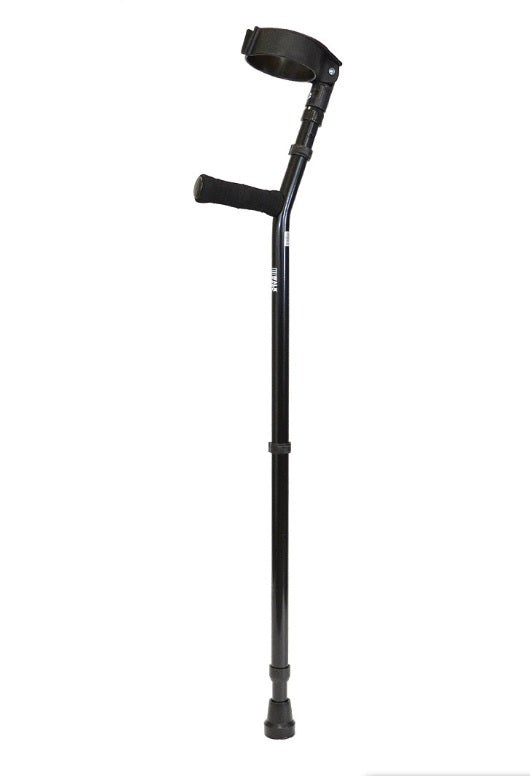
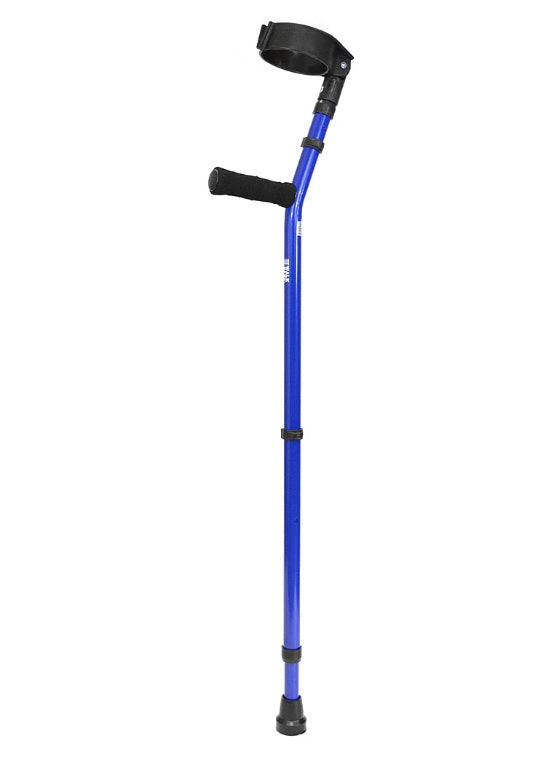
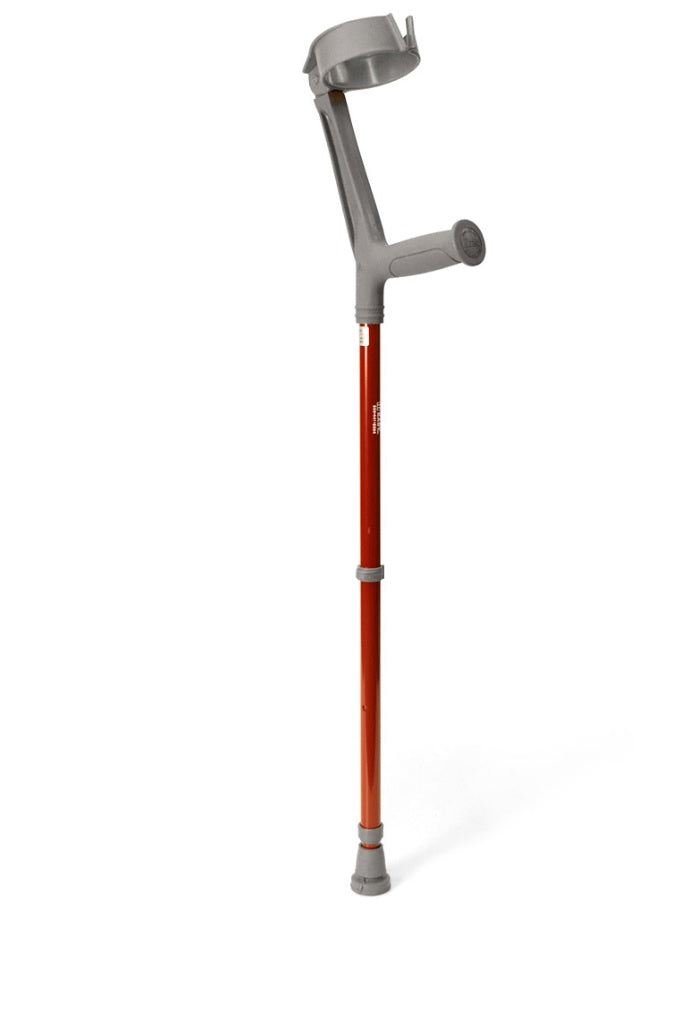
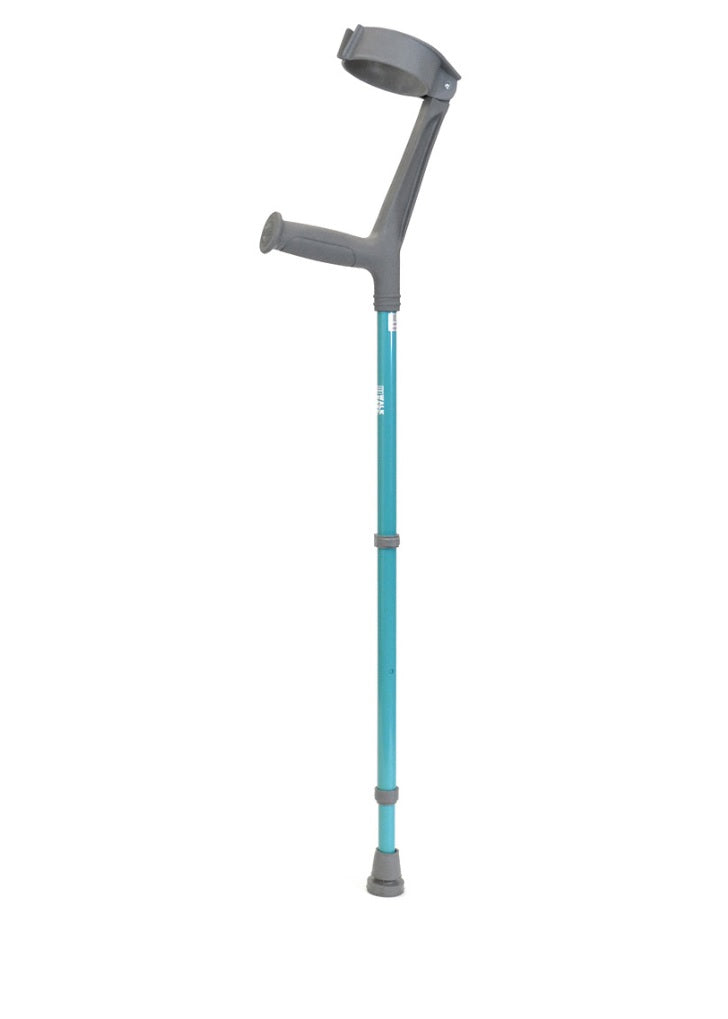
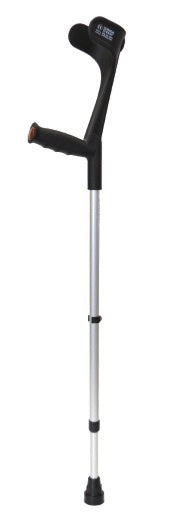
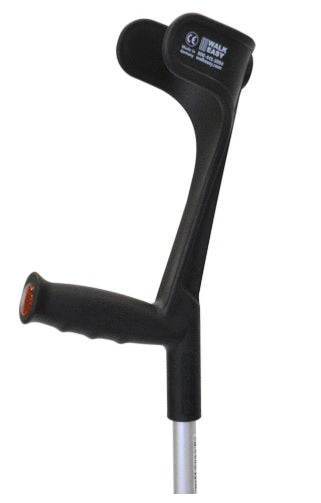
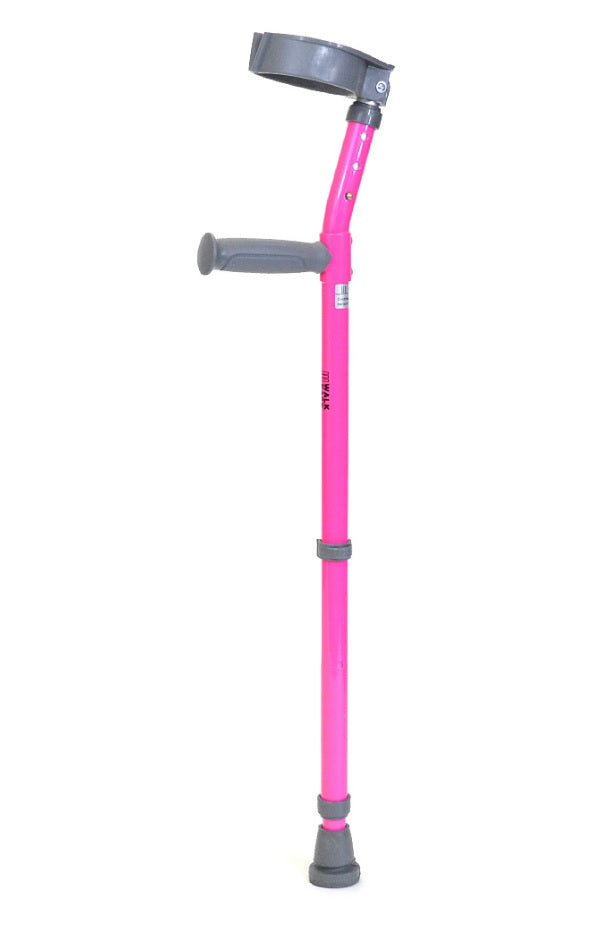
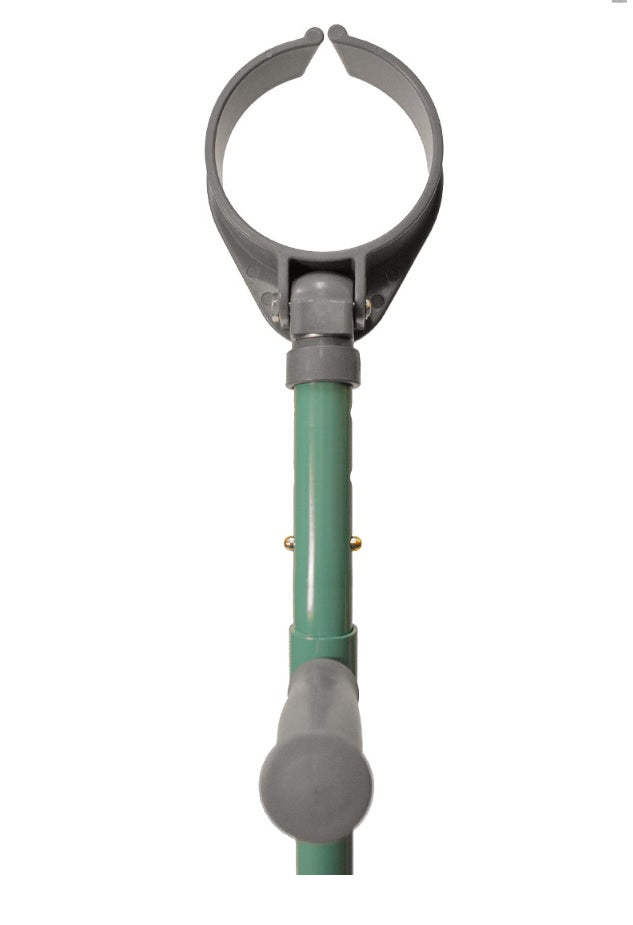
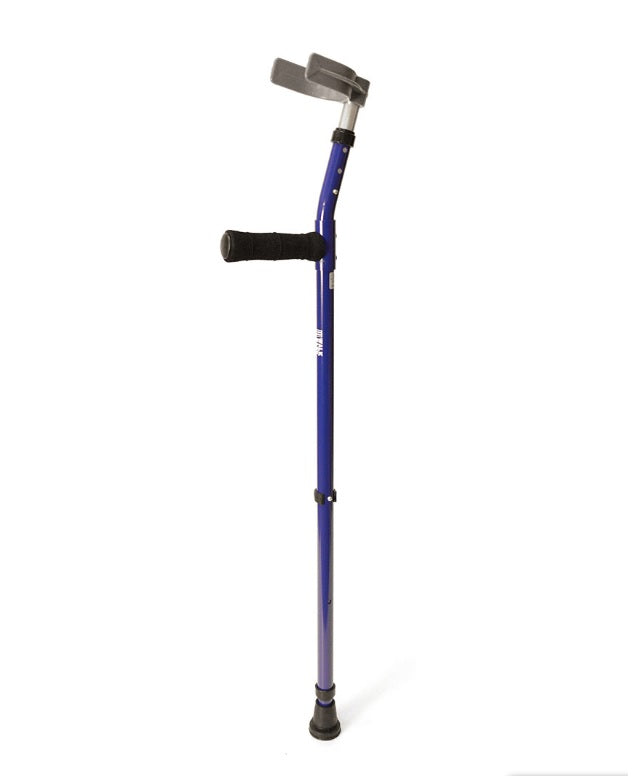
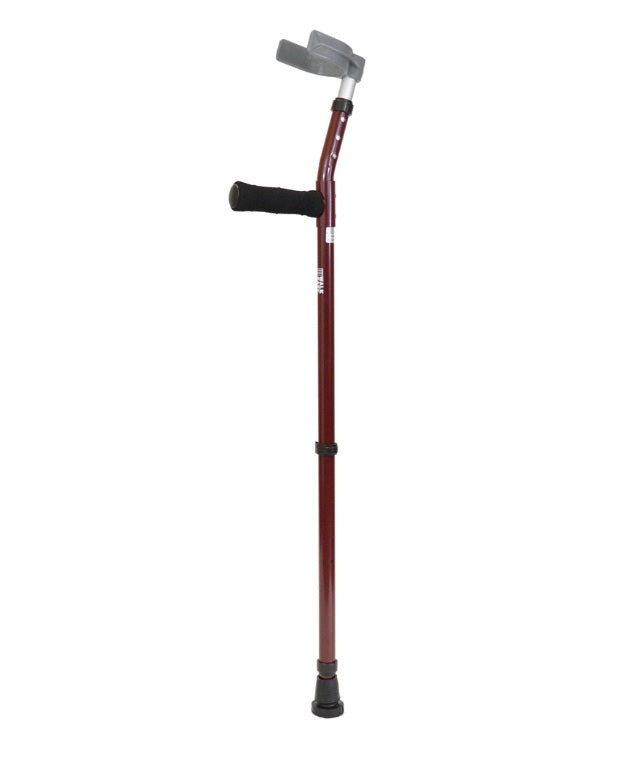
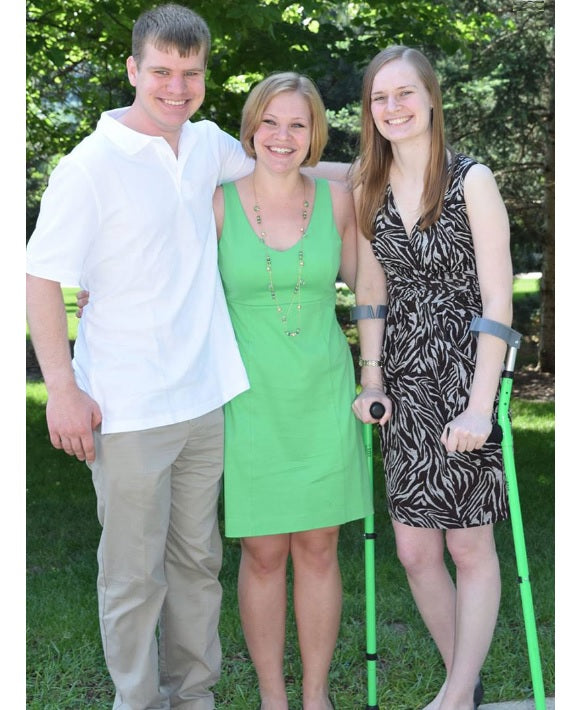
Crutches: Traditional non-weight-bearing option. Replace worn crutch tips regularly for safety on wet or uneven surfaces.
Frequently Asked Questions — Mobility Aids
What mobility aids does OrthoTape carry?
OrthoTape carries rollators, wheelchairs, knee scooters, replacement crutch tips, and bathroom safety equipment including grab bars and shower chairs — for seniors, post-surgical patients, and anyone recovering from a lower extremity injury.
What is the difference between a rollator and a knee scooter?
A rollator is a wheeled walking aid for patients who can walk but need balance support and a place to rest. A knee scooter is a hands-free wheeled device for patients with lower leg, ankle, or foot injuries who cannot bear weight on the injured limb — the patient rests the injured leg on a padded platform and propels with the good leg. Knee scooters are generally faster and less fatiguing than crutches for non-weight-bearing recovery.
Are mobility aids covered by insurance or FSA/HSA?
Many mobility aids are FSA/HSA eligible and may be covered by Medicare, Medicaid, or private insurance when prescribed by a physician as medically necessary durable medical equipment (DME). Common HCPCS codes include E0143 (rollator), E1161 (manual wheelchair), and E1399 (knee scooter/DME). Check with your insurance provider and plan administrator for specific coverage details, and contact OrthoTape for documentation support.
When should I use a knee scooter instead of crutches?
A knee scooter is a good alternative to crutches for patients with lower leg, ankle, or foot injuries who have good upper body balance and strength. Knee scooters are hands-free, reducing upper body fatigue, and are often more comfortable for longer distances. They are not suitable for stairs. Always follow your physician's guidance on weight-bearing restrictions before switching from crutches to a knee scooter.
What mobility aids are best after hip or knee replacement surgery?
After hip or knee replacement surgery, most patients begin with a walker or rollator for stability during the early recovery phase. As strength and balance improve, patients typically transition to a cane. Your physical therapist will guide the progression based on your weight-bearing status and functional recovery. Bathroom safety equipment such as grab bars and shower chairs is also strongly recommended during the post-surgical period.
How do I prevent falls at home during recovery?
Fall prevention at home during recovery includes installing grab bars in the bathroom, using a shower chair or bench, removing loose rugs and tripping hazards, ensuring adequate lighting, and using the appropriate mobility aid prescribed by your physician or physical therapist. OrthoTape carries bathroom safety equipment including grab bars and shower chairs to support safe recovery at home.
Also explore: Bracing & Support — knee, back, shoulder, ankle, and foot braces for injury and recovery. Casting Supplies — fiberglass tape, padding, stockinette, and cast shoes. Cold Ice Therapy — compression wraps for pain and swelling relief during recovery.
Authorized Supplier: OrthoTape is an authorized supplier of all mobility products sold on this site. Many mobility aids are FSA/HSA eligible and may qualify for Medicare or insurance coverage as durable medical equipment (DME) when prescribed by a physician. HCPCS codes vary by product — contact us for documentation. Always consult your physician or physical therapist before selecting a mobility aid. Proper fitting and instruction are essential for safe use. This content is for informational purposes only and does not constitute medical advice.