
Use this bar to show information about your cookie policy.
Forearm Crutches
16 products
Showing 1 - 16 of 16 products
Forearm Crutches — Lofstrand, Canadian & Elbow Crutches for Adults, Youth & Bariatric Patients
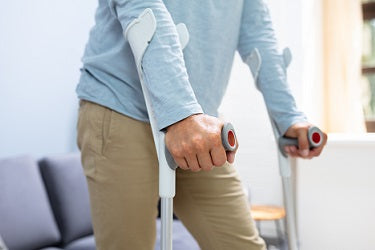
OrthoTape carries a comprehensive selection of forearm crutches — also known as Lofstrand crutches, Canadian crutches, or elbow crutches — for patients recovering from injury or surgery, and for individuals with long-term or permanent mobility needs. Forearm crutches are the preferred choice of physical therapists and orthopedic surgeons because they distribute weight through the forearm and handgrip rather than the armpit, eliminating the risk of axillary nerve damage associated with underarm crutches.
Why Choose Forearm Crutches?
Safer weight distribution: Load transfers through the forearm cuff and handgrip — not the armpit — preventing axillary nerve compression and brachial plexus injury
More natural gait: Forearm crutches allow a reciprocal gait pattern closer to normal walking, reducing fatigue and improving balance
Hands-free capability: The forearm cuff keeps the crutch attached when you release the grip, freeing your hands momentarily for tasks like opening doors
Better for stairs and uneven terrain: Lower profile and greater maneuverability than axillary crutches
Preferred for long-term use: Recommended by physical therapists for patients using crutches for weeks, months, or permanently
Full Cuff vs. Half Cuff Forearm Crutches
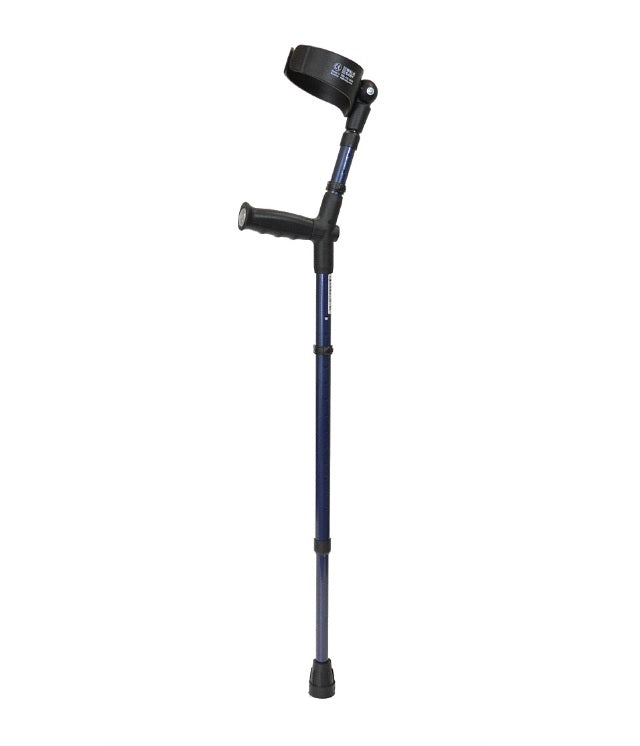
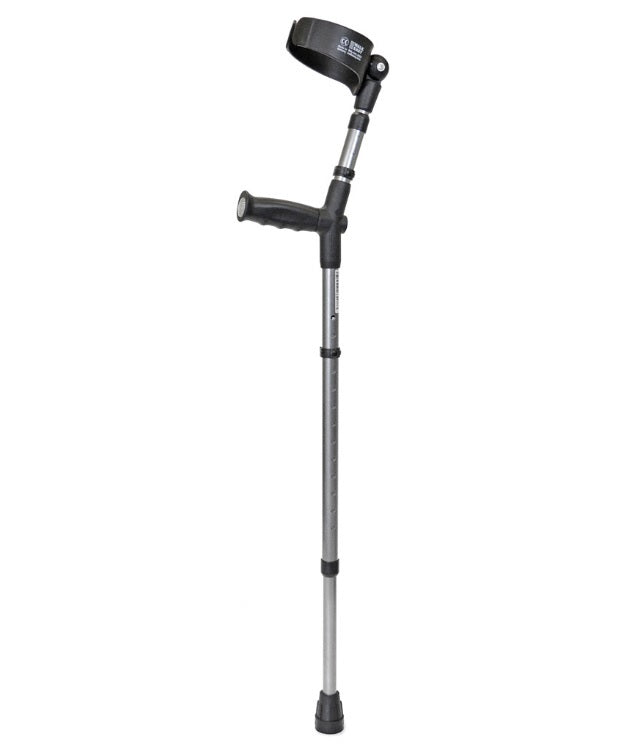
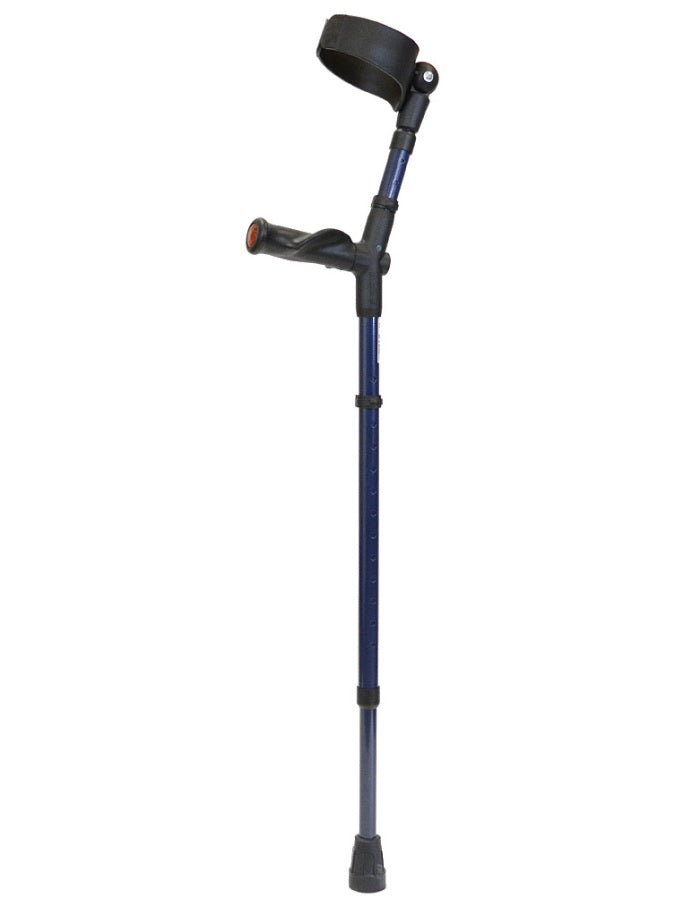
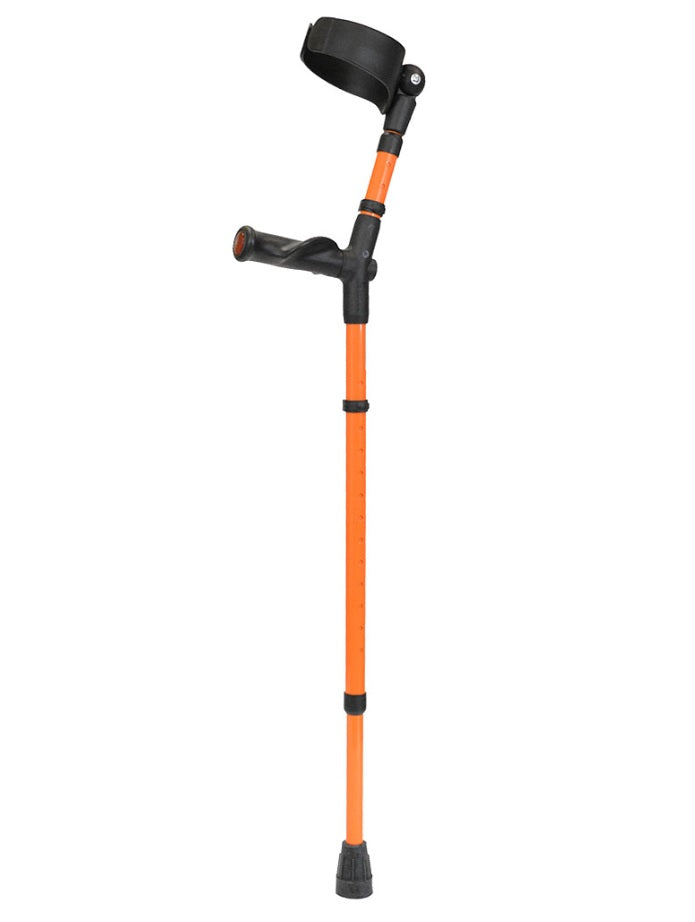
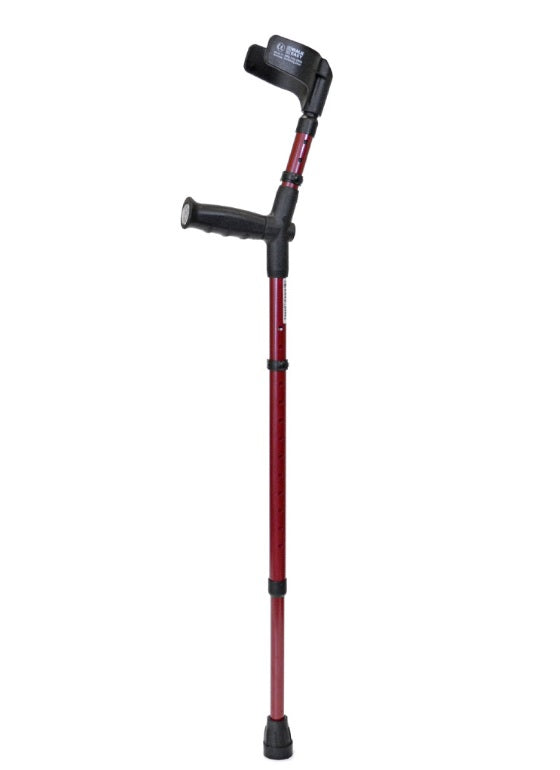
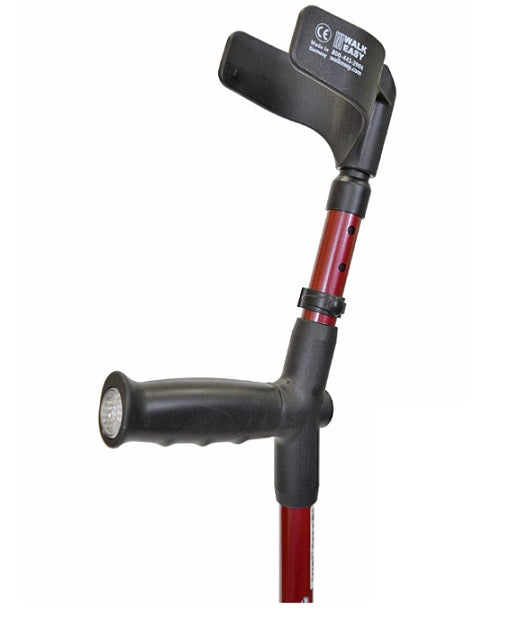
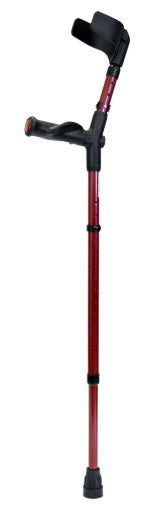
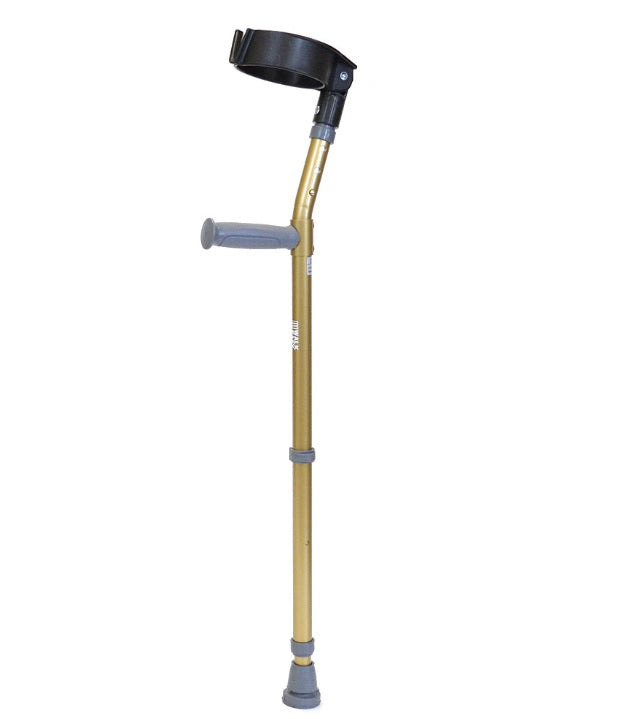
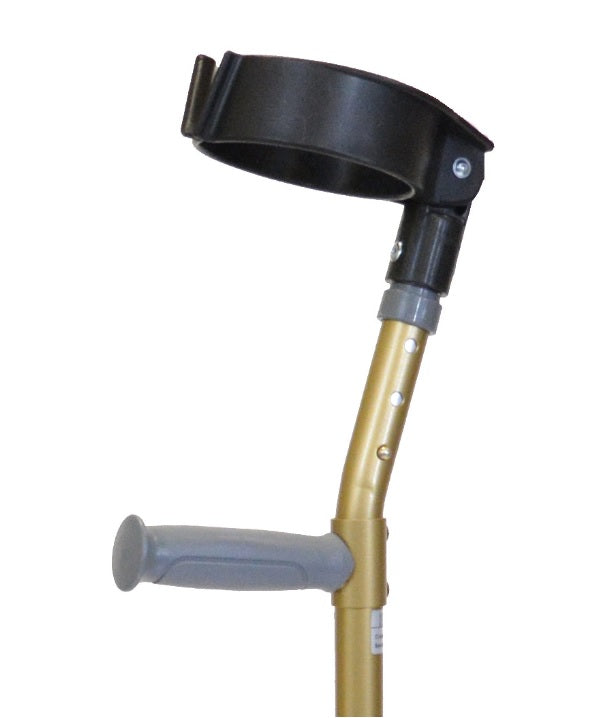
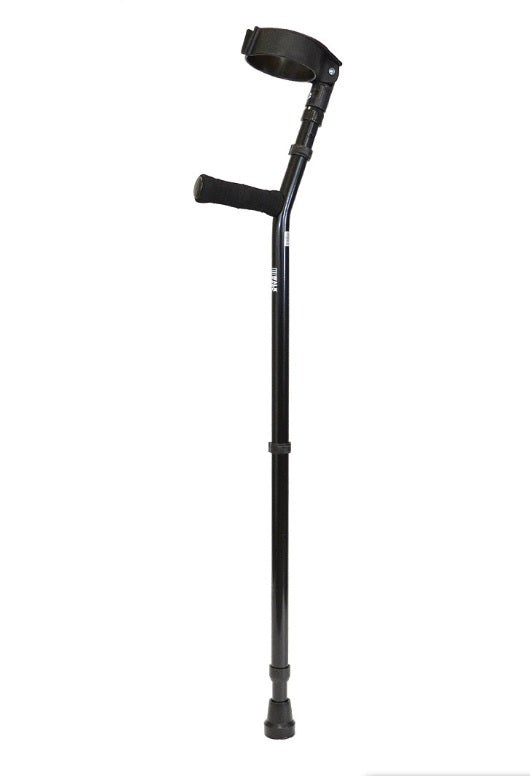
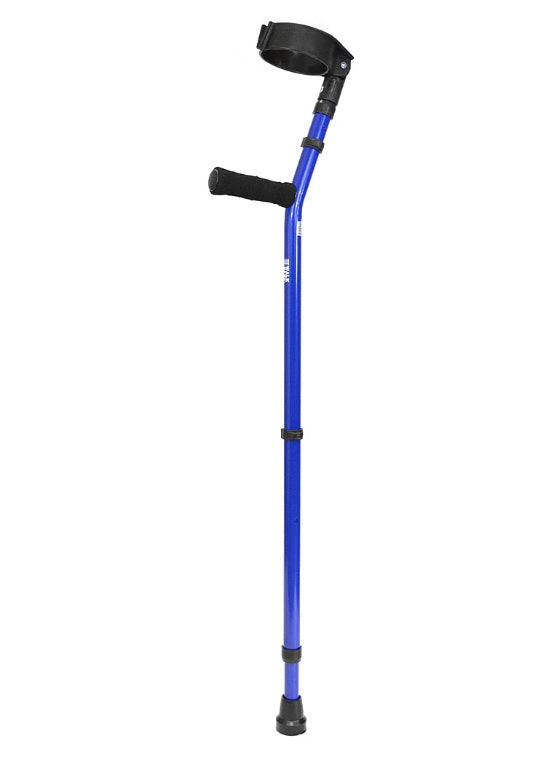
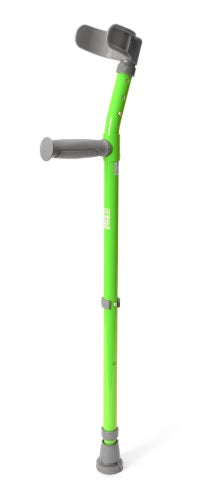
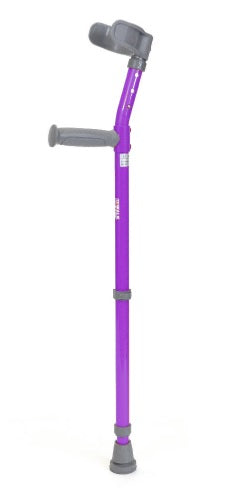
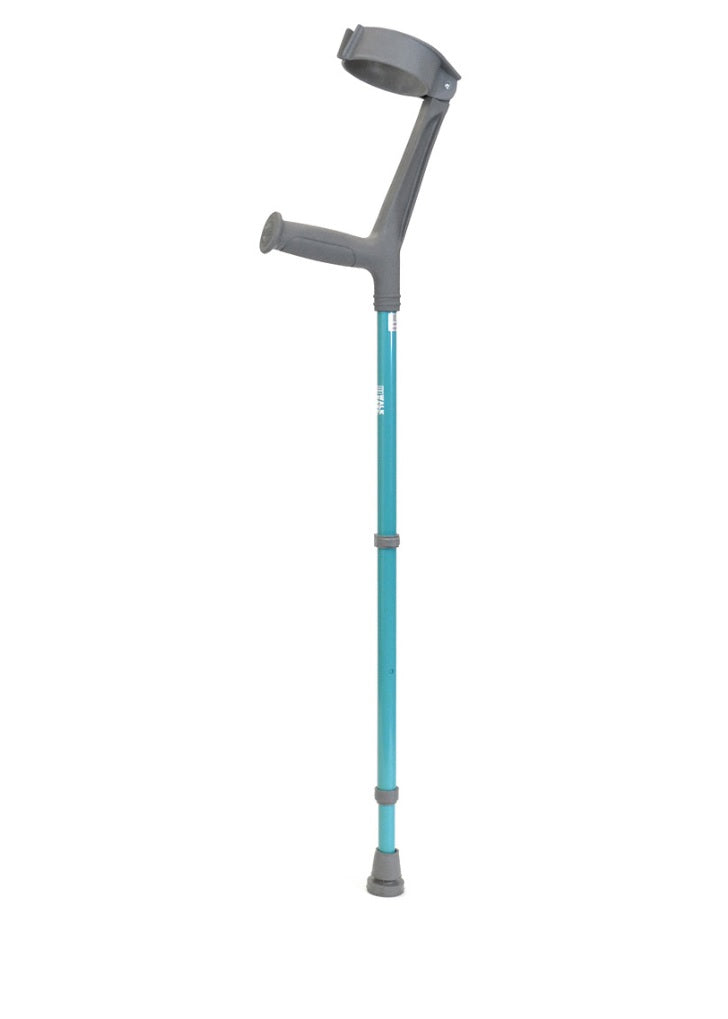
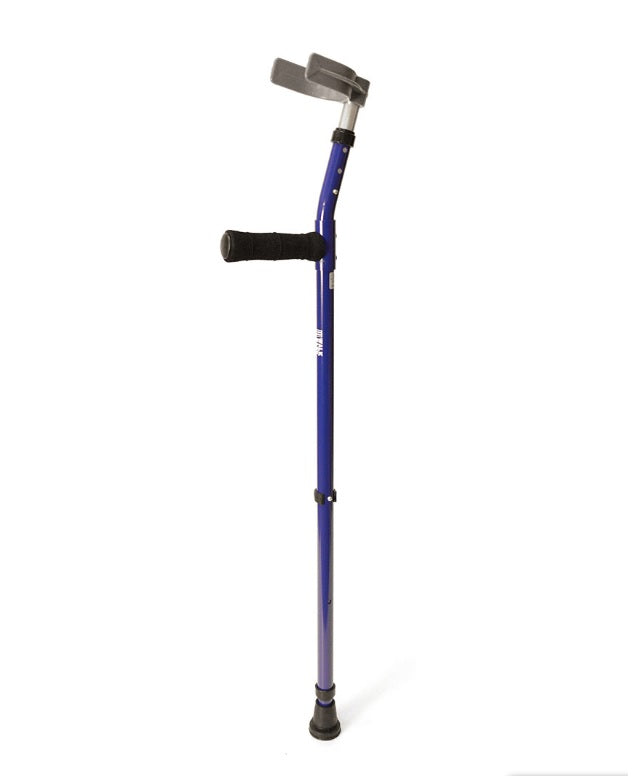
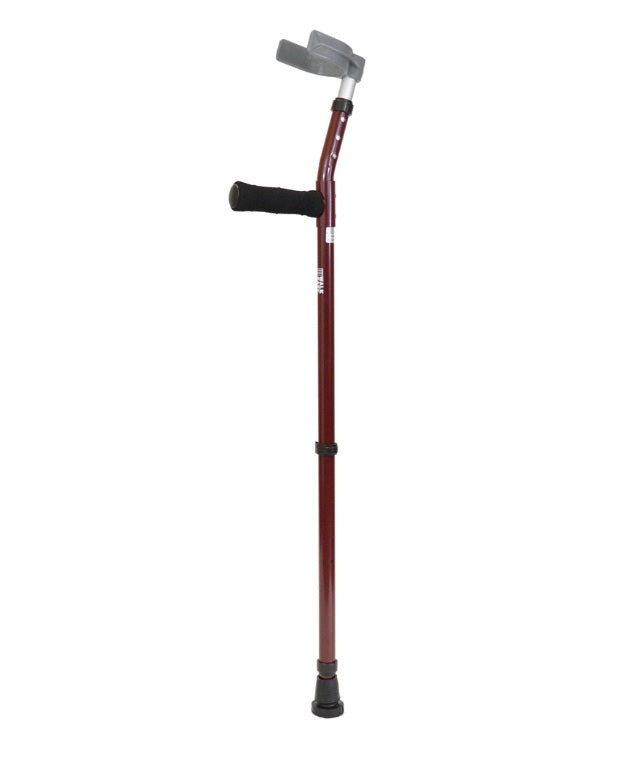
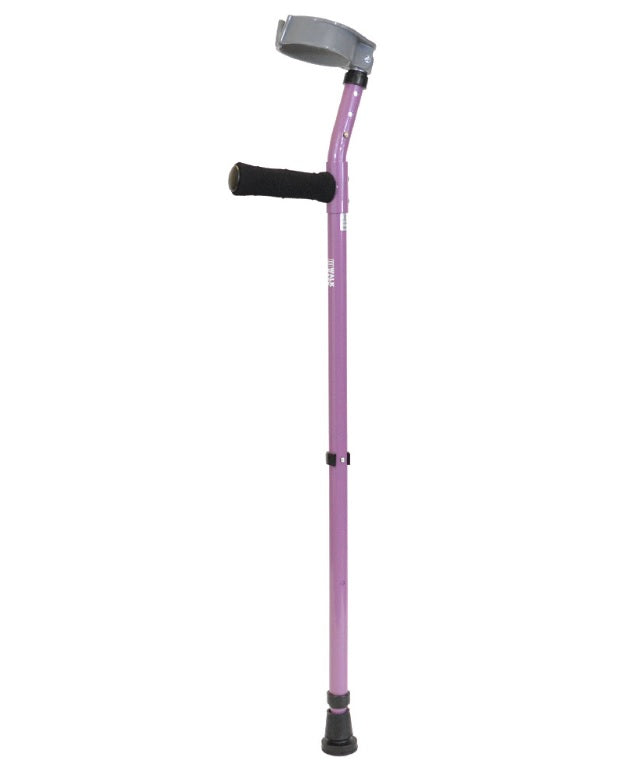
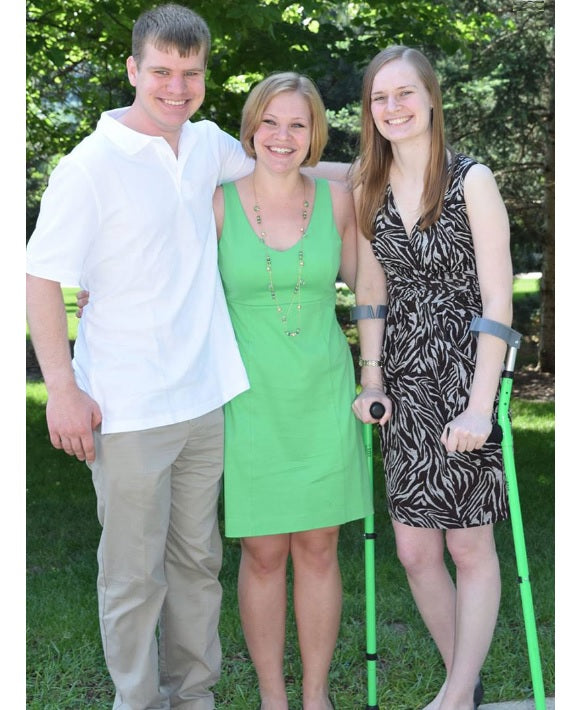
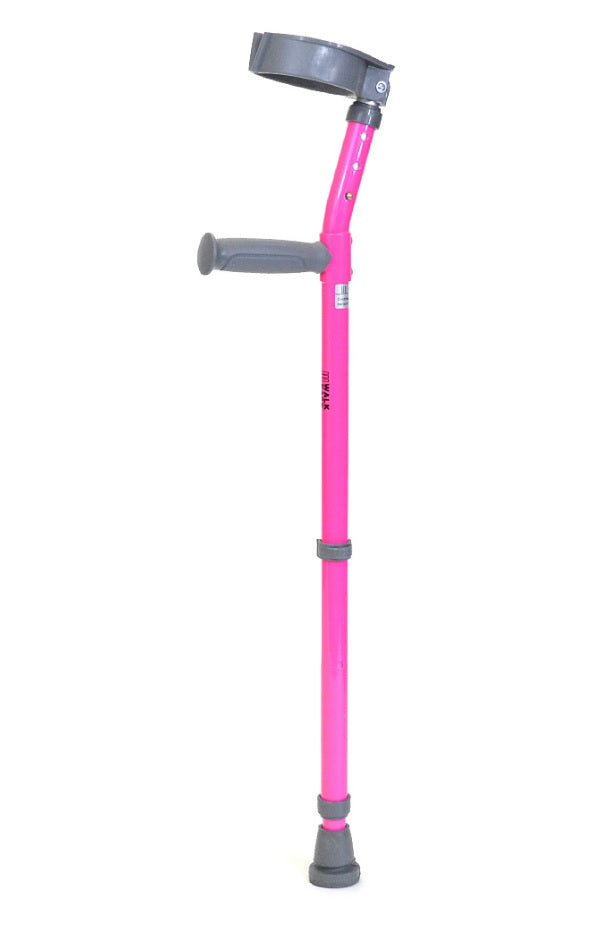
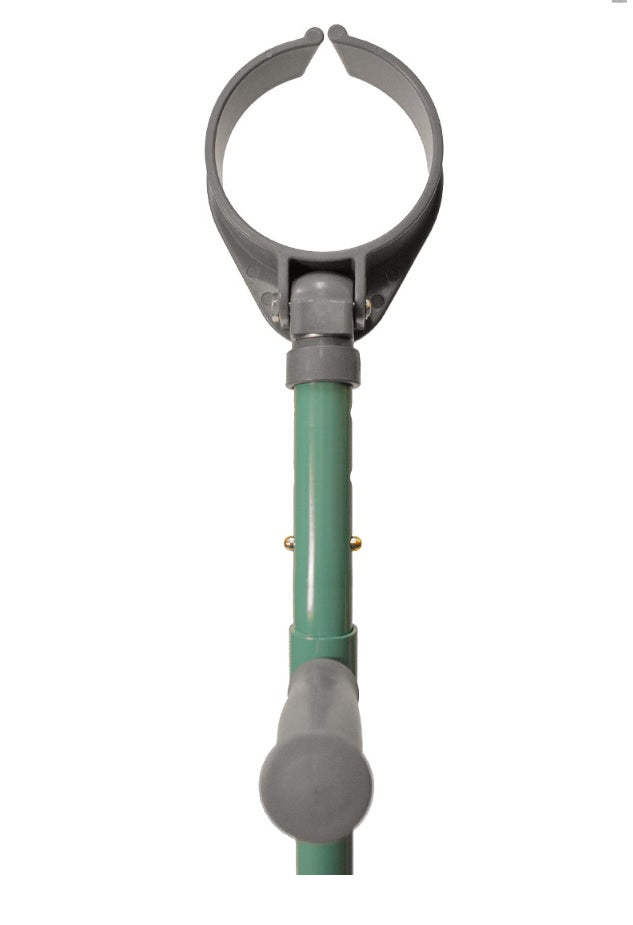
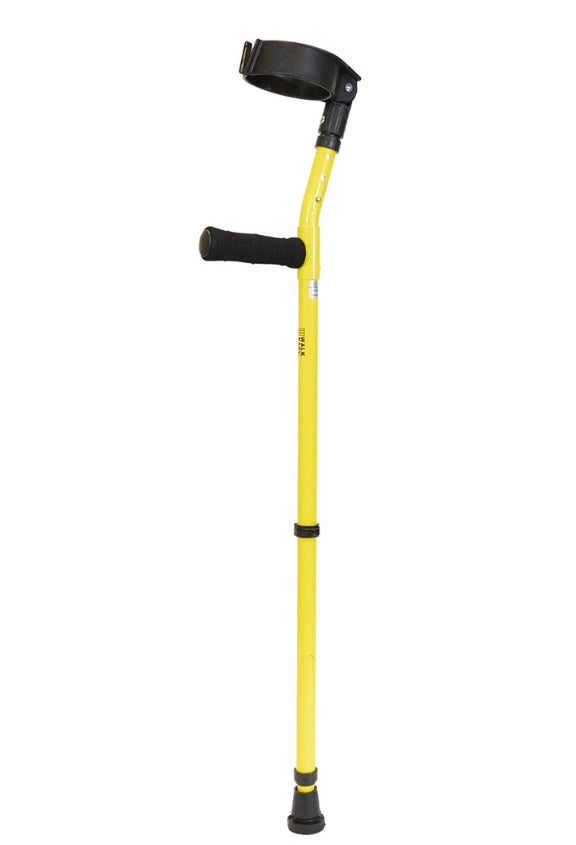
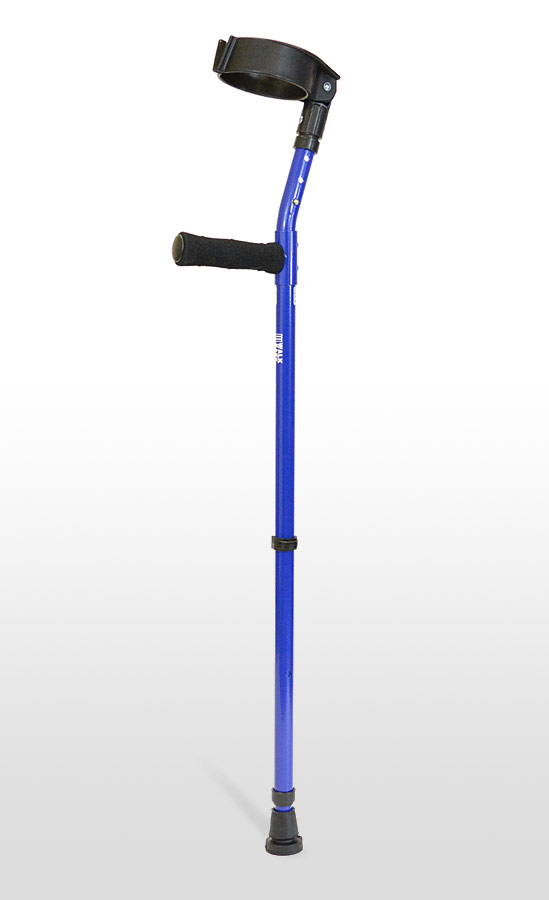
Full cuff (closed cuff / Canadian crutch): Wraps completely around the forearm for maximum security. The crutch stays on the arm when you release the grip — ideal for patients with limited hand strength, neurological conditions (MS, cerebral palsy, post-polio), or permanent mobility needs.
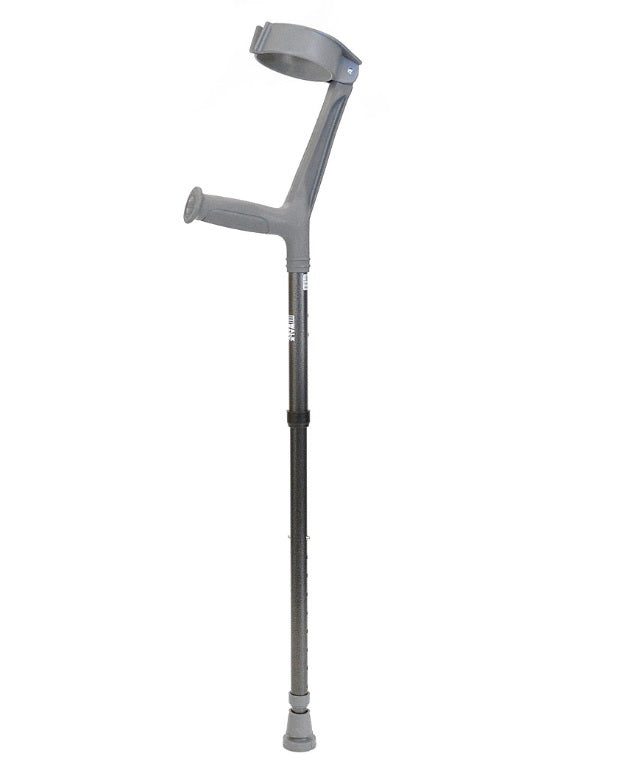
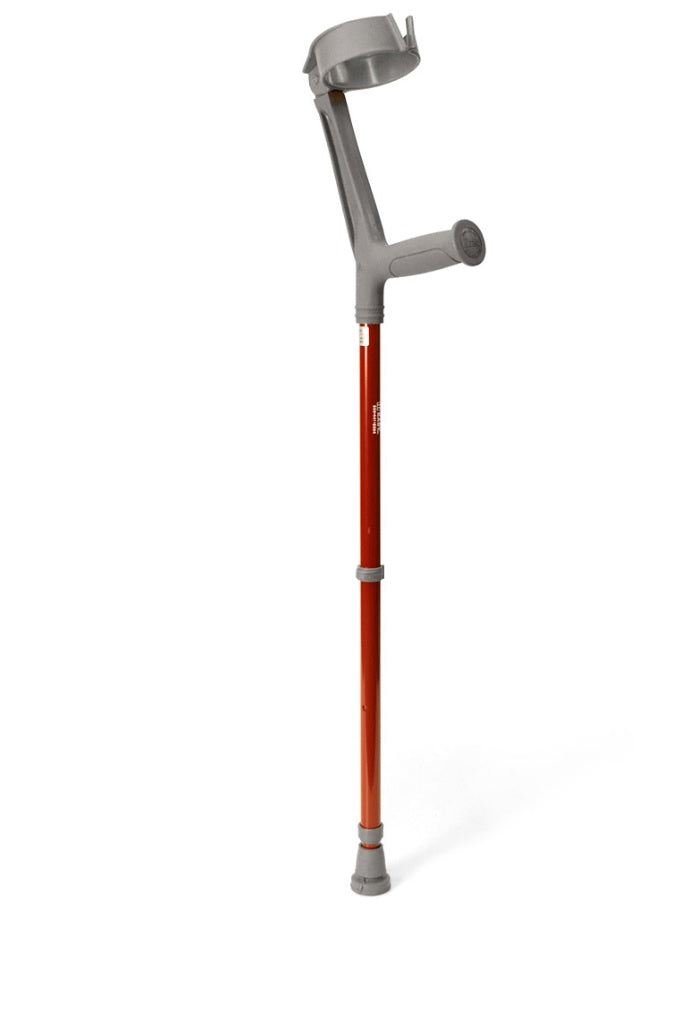
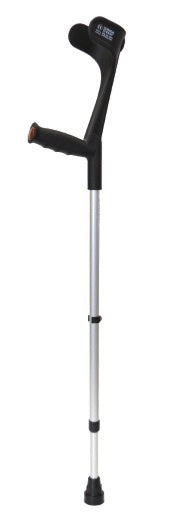
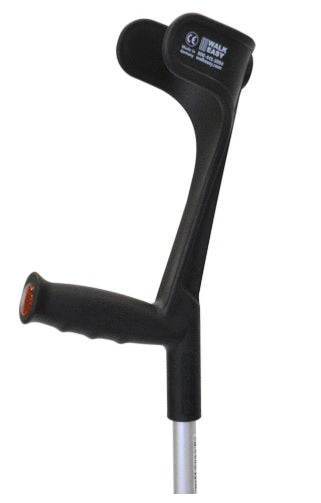
Half cuff (open cuff): Open at the back for easier entry and exit. Best for patients who frequently sit and stand, or who need to quickly release the crutch. Popular for post-surgical recovery and shorter-term use.
Who Uses Forearm Crutches?
Patients recovering from ankle fracture, foot surgery, or lower leg injury
Post-surgical patients after knee replacement, hip replacement, or ACL reconstruction
Individuals with multiple sclerosis (MS), cerebral palsy, spina bifida, or post-polio syndrome requiring permanent mobility support
Patients with neurological conditions affecting gait, balance, or lower extremity strength
Youth and pediatric patients needing properly sized crutches
Bariatric patients requiring heavy-duty crutch construction with higher weight capacity
How to Fit Forearm Crutches
Stand upright with arms relaxed at your sides
Adjust the forearm cuff so it sits 1 to 2 inches below the elbow joint
Adjust the handgrip height so your elbow is slightly bent (15–30°) when gripping
The cuff should fit snugly but not restrict circulation — tighten or loosen as needed
Always have a physical therapist or clinician verify your fit before use
Replacement Crutch Tips & Accessories
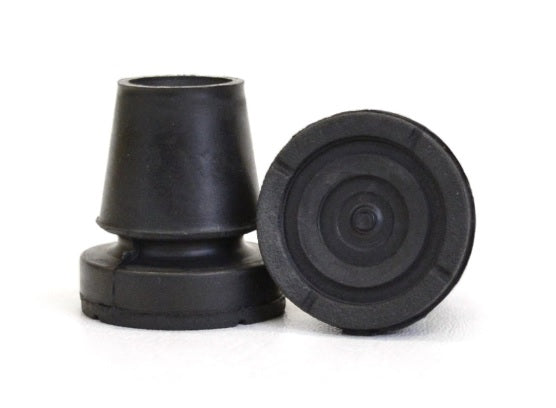
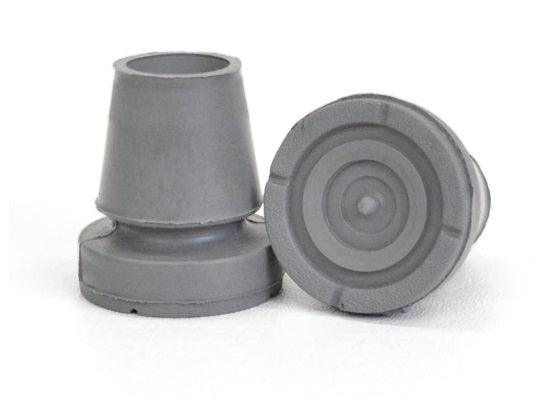
Worn crutch tips significantly increase fall risk. Replace tips as soon as tread shows wear. OrthoTape carries replacement tips compatible with Walk Easy and most standard forearm crutch models.
Frequently Asked Questions — Forearm Crutches
What are forearm crutches and who should use them?
Forearm crutches (Lofstrand, Canadian, or elbow crutches) use a cuff around the forearm and a handgrip below to provide mobility support. They are recommended for patients recovering from lower extremity injuries or surgeries, and for individuals with long-term or permanent mobility impairments such as MS, cerebral palsy, or post-polio syndrome. Physical therapists prefer them over axillary crutches for their safer weight distribution and more natural gait mechanics.
What is the difference between forearm crutches and underarm (axillary) crutches?
Underarm crutches rest under the armpit and are typically used for short-term recovery. Forearm crutches use a cuff around the forearm and are preferred for long-term or permanent use because they distribute weight more naturally, allow a better gait pattern, and eliminate the risk of axillary nerve damage and brachial plexus injury caused by underarm pressure.
What is the difference between a full cuff and half cuff forearm crutch?
A full cuff (closed cuff) wraps completely around the forearm, keeping the crutch attached when you release the grip. It is ideal for long-term users and those with limited hand strength or neurological conditions. A half cuff (open cuff) is open at the back for easier entry and exit, making it popular for post-surgical recovery and patients who frequently sit and stand.
Can forearm crutches be used after knee replacement or hip replacement surgery?
Yes. Forearm crutches are commonly prescribed after knee replacement, hip replacement, and ACL reconstruction. They provide stable non-weight-bearing or partial weight-bearing support and are preferred by physical therapists for their better gait mechanics and reduced upper body strain during rehabilitation. Your surgeon or physical therapist will specify your weight-bearing protocol and crutch type.
Can forearm crutches be used permanently for MS, cerebral palsy, or post-polio syndrome?
Yes. Forearm crutches are the standard mobility aid for individuals with permanent or long-term conditions including multiple sclerosis, cerebral palsy, spina bifida, and post-polio syndrome. The forearm cuff design provides stability without the nerve compression risk of underarm crutches, making them suitable for all-day, long-term use. Full cuff models are generally preferred for permanent users.
Are forearm crutches FSA or HSA eligible?
Yes. Forearm crutches are medical devices and are generally FSA and HSA eligible. Check with your FSA/HSA plan administrator to confirm eligibility for your specific purchase. OrthoTape accepts FSA/HSA cards at checkout.
Forearm crutches are medical devices. Proper fitting by a physical therapist or clinician is strongly recommended for safe use. Crutch height and cuff position should be adjusted to your specific measurements. OrthoTape is an authorized supplier of forearm crutches. FSA/HSA eligible — check with your plan administrator. HCPCS code E0111 (forearm crutch, each) may apply — verify with your insurer or DME supplier. This page is for informational purposes only and does not constitute medical advice.