




Works as anticipated, good product that solves many problems.
Easy process to order efficient shipping ,good communication .
High quality knee brace.
Great service, quick delivery. Allowed me to stay in water on family summer vacation.
USA-based company since 2005
Use this bar to show information about your cookie policy.

10 products
Showing 1 - 10 of 10 products
An elbow sprain happens when one or more ligaments around the elbow are stretched or torn. Treatment depends on whether the injury is a mild sprain, an ulnar collateral ligament (UCL) injury, an unstable elbow, or an elbow or arm fracture. OrthoTape offers compression supports, hinged elbow braces, post-operative range-of-motion braces, long arm splints, and clinician-applied cast kits for different stages of protection and recovery.
Quick answer: A mild, diagnosed elbow sprain is commonly managed with protection, relative rest, ice, compression, and gradual return to motion. A sling, compression sleeve, or brace may be recommended. Severe pain, a visible deformity, a "pop" with instability, numbness, or inability to move the elbow can indicate a fracture, dislocation, or major ligament injury and should be evaluated promptly.
A brace should match the diagnosis and the amount of motion your healthcare provider wants to allow. More rigid is not automatically better: excessive immobilization can contribute to elbow stiffness, while too little support may not adequately protect an unstable injury.
| Injury or Stage | Support Type | What It Does | Important Limitation |
|---|---|---|---|
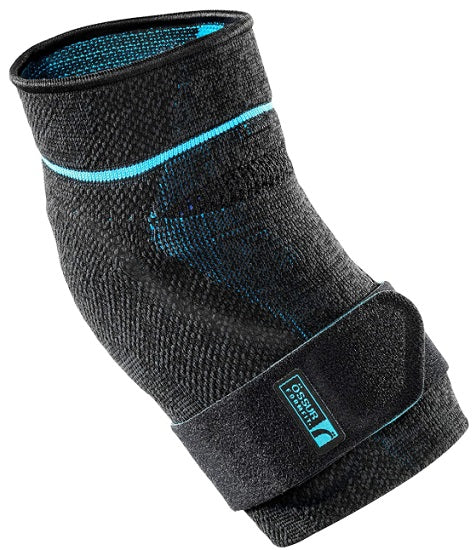
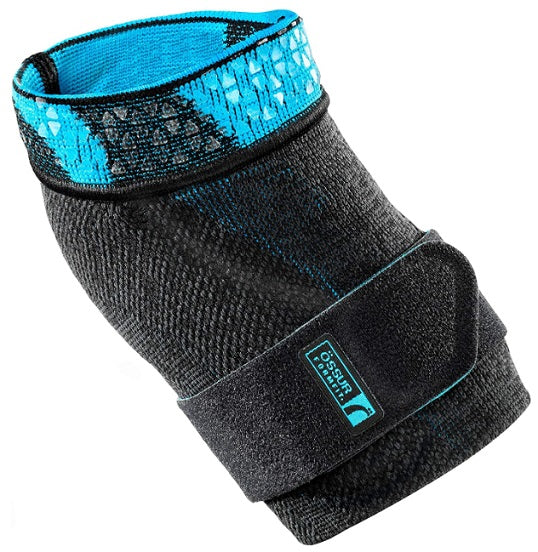
| Mild, stable elbow sprain | Compression elbow sleeve or soft wrap | Provides light compression, warmth, and support during recovery | Does not immobilize a fracture or control significant instability |
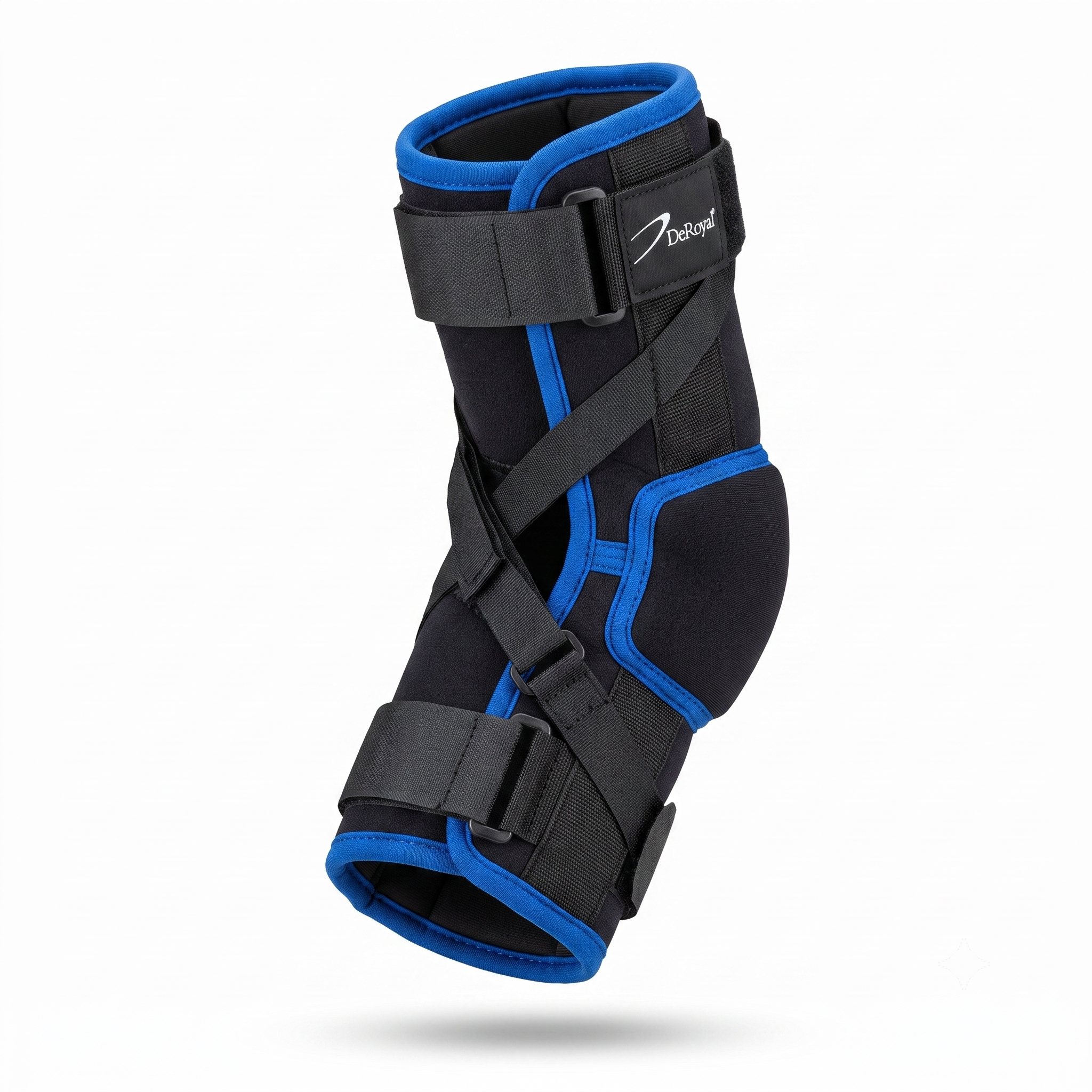
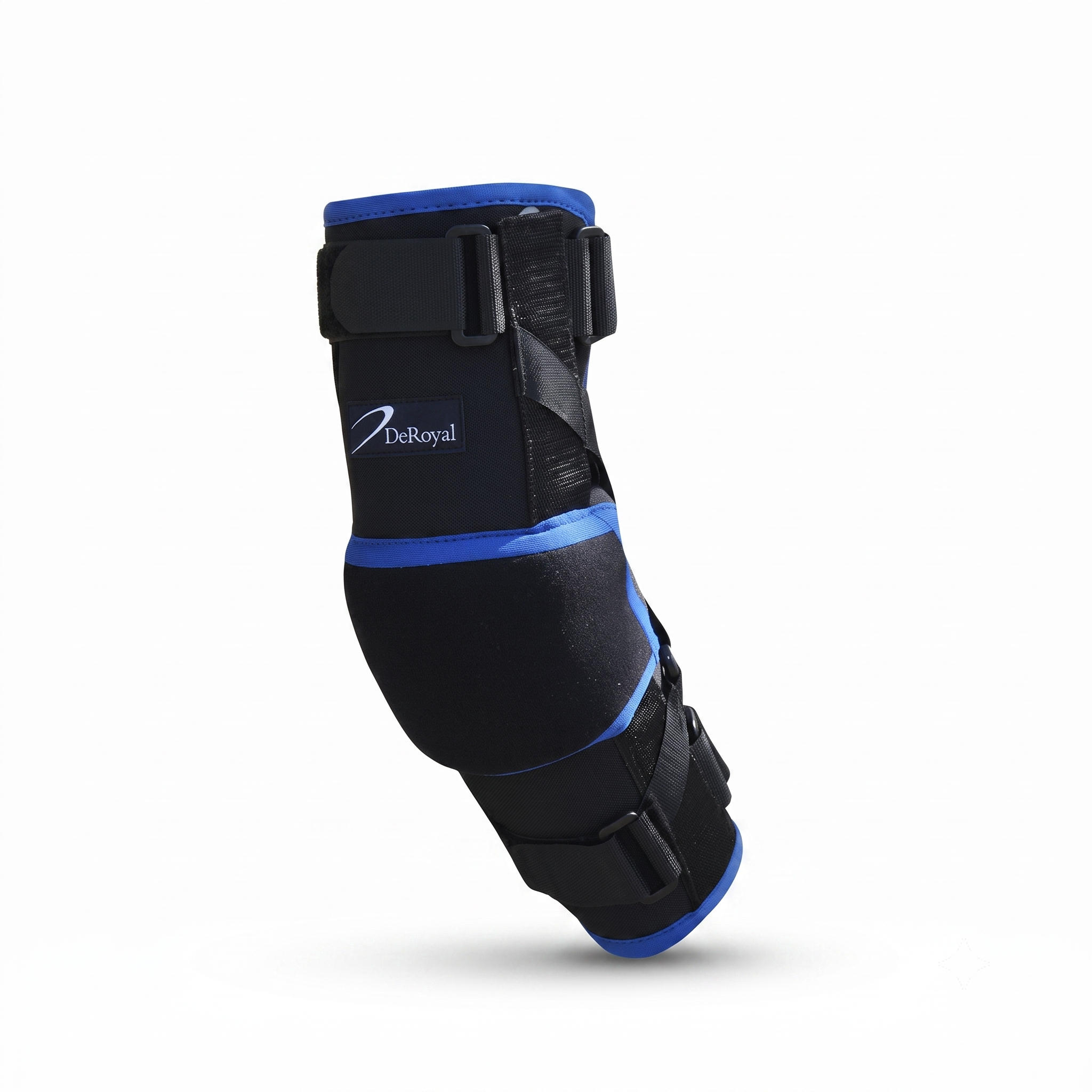
| Hyperextension risk during sports | Hyperextension-control elbow brace | Helps limit excessive elbow extension while allowing functional movement | Not a substitute for evaluation of an acute UCL tear, dislocation, or fracture |
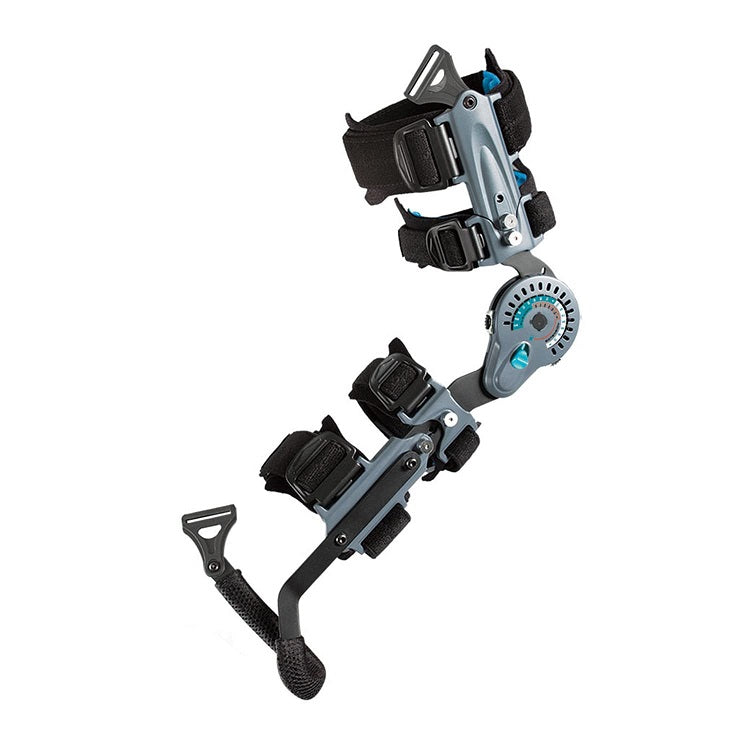
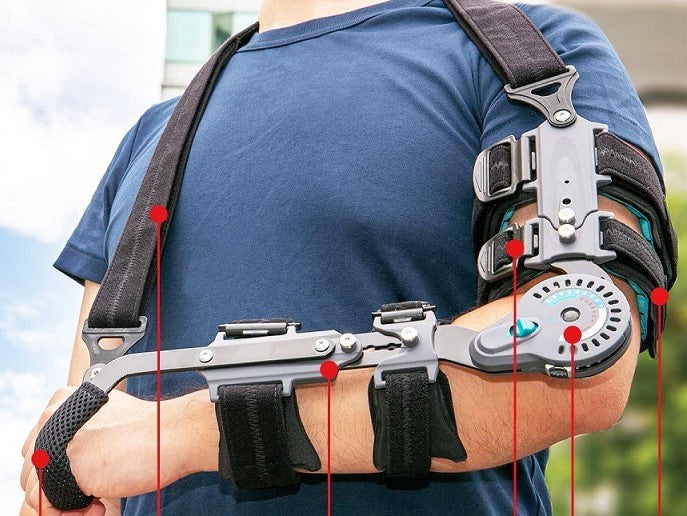
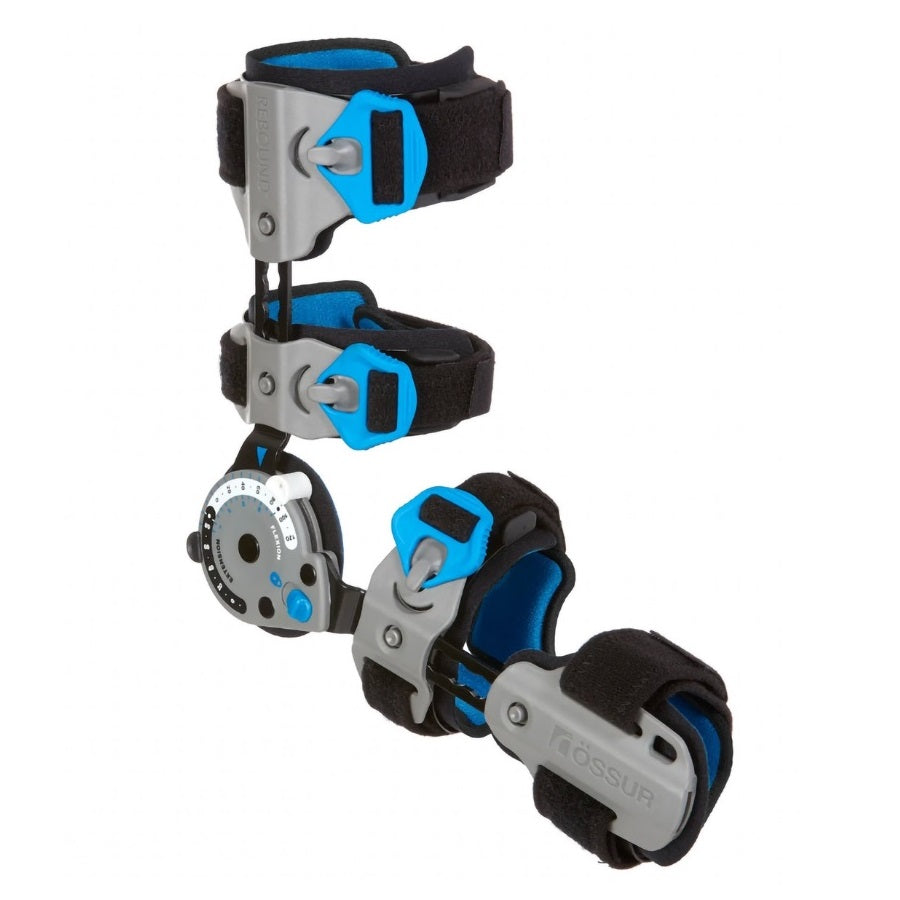
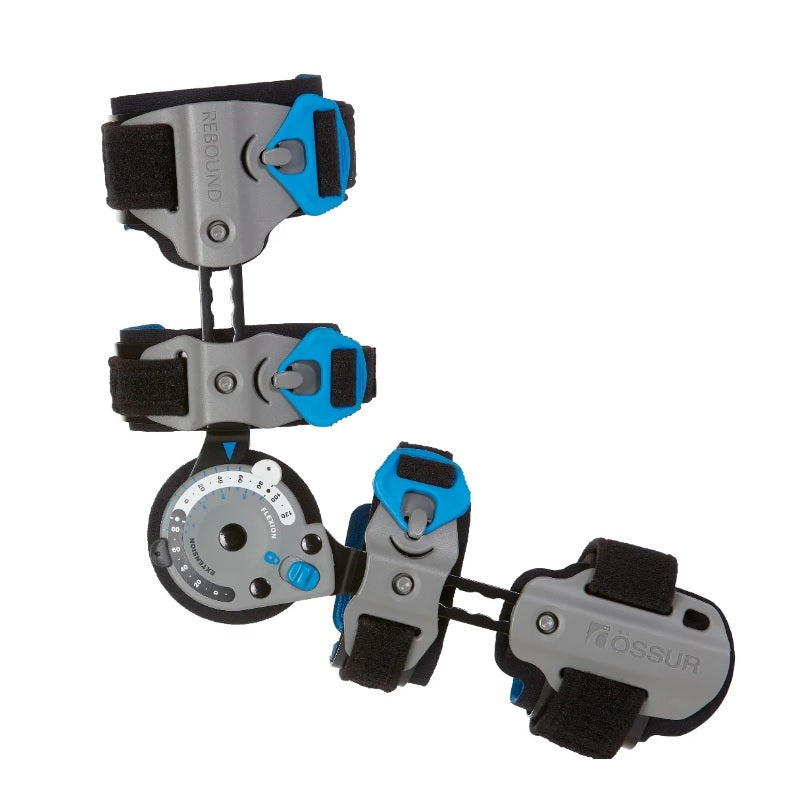
| UCL/LCL injury or controlled-motion recovery | Hinged or adjustable ROM elbow brace | Limits selected ranges of flexion and extension while supporting progressive motion | Motion stops and wear schedule should be set by a clinician |
| After elbow surgery | Post-op ROM elbow brace | Protects healing tissue while the permitted range of motion changes over time | Use only according to the surgeon's rehabilitation protocol |
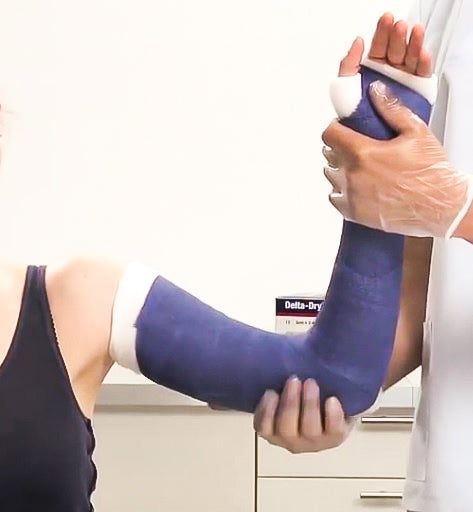
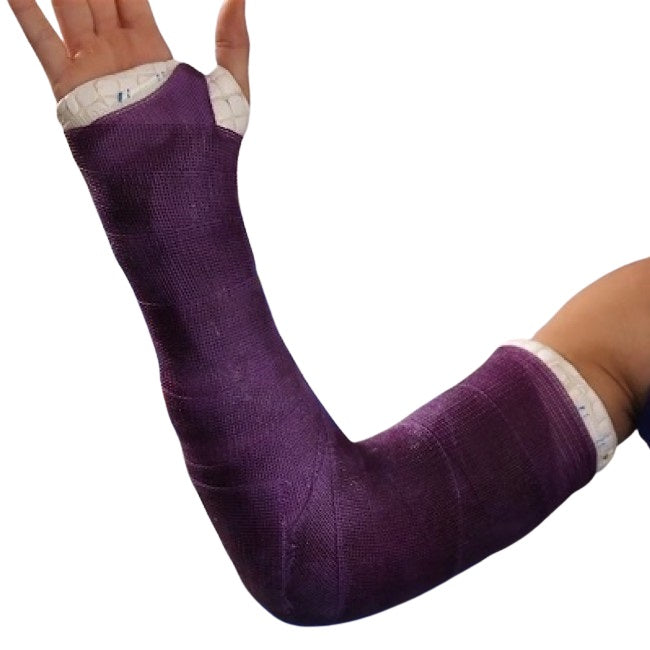
| Suspected or diagnosed elbow/arm fracture | Posterior long arm splint or long arm cast kit | Provides rigid immobilization across the elbow when prescribed | Fractures require medical assessment and professional application |
Shopping tip: If you have not been diagnosed, begin with medical evaluation rather than choosing the most rigid brace. If your provider prescribed a specific brace type or motion setting, match that prescription to the product specifications shown below.
A sprain is an injury to a ligament—the strong tissue that connects one bone to another. Elbow sprains can occur when the arm bends or twists beyond its normal range, after a fall on an outstretched hand, from a forceful impact, or through repeated overhead stress. Symptoms may include pain, swelling, bruising, tenderness, reduced motion, or a feeling that the elbow is loose or unstable.
| Condition | Tissue Involved | Common Clues | How It Is Confirmed |
|---|---|---|---|
| Elbow sprain | One or more elbow ligaments | Joint pain, swelling, bruising, painful motion, or instability | History and physical exam; imaging may be ordered |
| Arm or elbow strain | Muscle or tendon | Pain or weakness when using or stretching the affected muscle | Clinical exam; imaging if a significant tear is suspected |
| Elbow or arm fracture | Humerus, radius, ulna, olecranon, or radial head | Severe focal pain, major swelling, deformity, inability to use the arm, or pain after a significant fall/impact | Medical examination and usually an X-ray |
People often search for arm sprain treatment, but "arm sprain" is not one specific diagnosis. Ligament injuries occur around a joint such as the elbow or wrist; an injury to an upper-arm or forearm muscle or tendon is generally called a strain. Identifying the injured tissue helps determine whether compression, controlled motion, rigid immobilization, or rehabilitation is appropriate.
Pain-relief medicines are not appropriate for everyone. Ask a healthcare professional or pharmacist before using an anti-inflammatory medicine if you have kidney disease, heart disease, high blood pressure, liver disease, a history of ulcers or bleeding, take blood thinners, or use other medications.
A sprain of the ulnar collateral ligament affects the ligament on the inner, or pinky-side, of the elbow. UCL injuries are especially associated with repeated overhead throwing, although they can also occur after a traumatic fall or elbow dislocation. Common symptoms include inner-elbow pain during or after throwing, reduced throwing velocity or accuracy, a sudden "pop," and sometimes tingling in the ring or little finger.
UCL sprain treatment is individualized. Nonsurgical care may include stopping throwing, rest, ice, rehabilitation, and a clinician-selected brace. Surgery is not automatic. A specialist considers the location and severity of the tear, elbow stability, tissue quality, activity demands, and whether the patient needs to return to high-level overhead throwing. Surgical options may include UCL repair or reconstruction, commonly called Tommy John surgery.
Recovery is based on the actual diagnosis, not the amount of bruising alone. A simple elbow sprain often recovers in approximately 4–6 weeks, but some injuries improve sooner and others take longer. A UCL injury treated without surgery may require several weeks to several months. Recovery after UCL surgery is much longer, particularly for athletes returning to competitive throwing.
Recovery reminder: Do not use a general timeline to change a brace setting, remove a splint, or return to throwing. Follow the treating clinician's examination, imaging, and rehabilitation plan.
Seek prompt medical evaluation after a major fall, collision, or forceful twisting injury, or if pain and swelling are getting worse rather than better. Urgent evaluation is especially important for:
An elbow sprain is a stretch or tear of one or more ligaments around the elbow joint. It may result from a fall on an outstretched hand, a forceful twist or impact, or repeated stress such as overhead throwing.
Initial elbow sprain treatment commonly includes protection, relative rest, wrapped ice, compression, and elevation. A clinician may recommend a sling, sleeve, splint, or hinged brace depending on stability and severity. Gradual motion and strengthening can help restore function once they are safe.
A simple elbow sprain often recovers in about 4–6 weeks. More significant ligament injuries can take several months. Recovery varies with the ligament involved, tear severity, elbow stability, treatment, age, activity demands, and rehabilitation progress.
A brace may help protect a diagnosed elbow sprain, but the correct type depends on the injury. A compression sleeve provides light support; a hinged brace controls motion; and a rigid splint immobilizes the elbow. Significant pain, trauma, or instability should be evaluated before selecting a brace.
A UCL sprain is a stretch or tear of the ligament on the inner side of the elbow. It is common in overhead throwing athletes but can also occur after a fall, dislocation, or other trauma. Treatment ranges from rest and physical therapy to surgery for selected tears and activity goals.
Both can cause pain, swelling, bruising, and limited motion, so symptoms alone may not reliably distinguish them. A fracture is more concerning after a major impact or when there is deformity, severe focal bone pain, or inability to use the arm. A medical exam and usually an X-ray are needed to confirm a fracture.
A sprain injures a ligament around a joint, while a strain injures a muscle or tendon. Because the arm contains several joints, muscles, tendons, and bones, a clinician may use a more specific diagnosis such as elbow sprain, wrist sprain, forearm strain, or biceps strain.
Long arm splints and casts require the correct diagnosis, position, padding, fit, and circulation checks. They should be selected and applied by a trained medical professional. An incorrectly applied splint or cast can create pressure, skin, nerve, or circulation problems.
This guide was prepared using patient information from MedlinePlus: Elbow Sprain Aftercare, the American Academy of Orthopaedic Surgeons: UCL Injury, and Johns Hopkins Medicine: UCL Injuries of the Elbow. Last updated July 19, 2026.
Medical disclaimer: This page provides general educational and product-selection information and does not diagnose an injury or replace care from a licensed healthcare professional. Follow your clinician's diagnosis, brace instructions, and rehabilitation plan.


Works as anticipated, good product that solves many problems.
Easy process to order efficient shipping ,good communication .
High quality knee brace.
Great service, quick delivery. Allowed me to stay in water on family summer vacation.
Sizing was not accurate


