






Whether you’re recovering from a wrist fracture, managing a sprained wrist, or healing after wrist surgery, the right brace is critical for protecting the joint, controlling pain, and restoring function. OrthoTape carries clinical-grade wrist splints, lace-up wrist braces, and post-operative immobilizers from Ossur, Exos, and eLife — the same products used by orthopedic surgeons, hand therapists, and athletic trainers nationwide. A broken wrist (distal radius fracture) and a wrist sprain (ligament injury) both require prompt immobilization — and we carry the right brace for every stage of recovery.
Wrist Fracture vs. Wrist Sprain — What’s the Difference?
A wrist fracture (most commonly a distal radius fracture or scaphoid fracture) involves a break in one or more of the wrist bones. A wrist sprain involves stretching or tearing of the wrist ligaments without a bone break. Both cause pain, swelling, and limited range of motion — and both require immobilization while awaiting imaging. An X-ray is needed to confirm whether you have a broken wrist or a sprain.
Condition
Common Cause
Recommended Brace
Recovery
Wrist Fracture (Distal Radius)
Fall on outstretched hand (FOOSH)
Rigid volar wrist splint or post-op immobilizer
6–12 weeks
Scaphoid Fracture
Fall on outstretched hand
Thumb spica wrist splint
8–12+ weeks
Wrist Sprain (Grade 1–2)
Twisting, sports, overuse
Lace-up or semi-rigid wrist brace
2–6 weeks
Wrist Ligament Tear (Grade 3)
High-energy trauma, sports
Rigid volar splint; possible surgery
6–12+ weeks
Tendon Strain (ECU, FCU, de Quervain’s)
Repetitive use, overuse
Neutral-position or thumb spica wrist brace
4–8 weeks
Post-Op Wrist Surgery
Surgical repair or reconstruction
Post-operative wrist immobilizer
Per surgeon protocol
Rigid Wrist Splints — For Wrist Fracture & Severe Sprains
A rigid volar wrist splint is the standard of care for a broken wrist, severe wrist sprain, or confirmed ligament tear. It immobilizes the wrist in a neutral or slightly extended position to protect the healing bone or ligament while allowing finger movement.
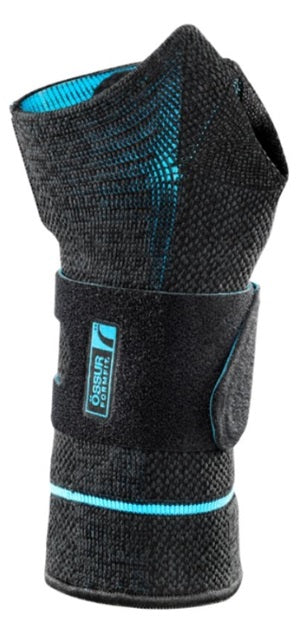
Ossur FormFit Wrist — Anatomically contoured rigid splint; breathable FormFit material; low-profile under clothing; ideal for distal radius fractures and post-op wrist immobilization
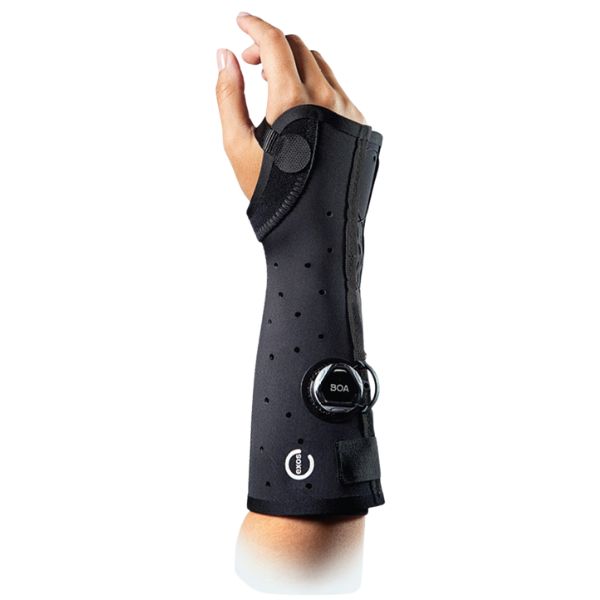
Exos Wrist Brace — Thermoformable rigid wrist brace; custom-moldable to the patient’s anatomy for superior fit; used by hand therapists for fracture and post-surgical management
For a sprained wrist in the subacute phase, or for wrist support during return to activity, a lace-up or semi-rigid wrist brace provides adjustable compression and protection while allowing functional use of the hand.
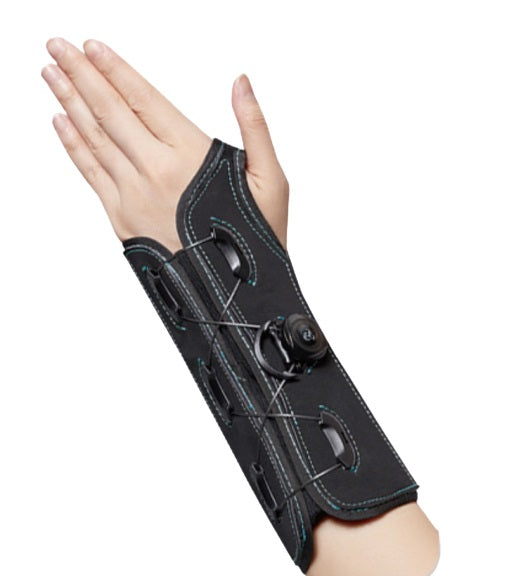
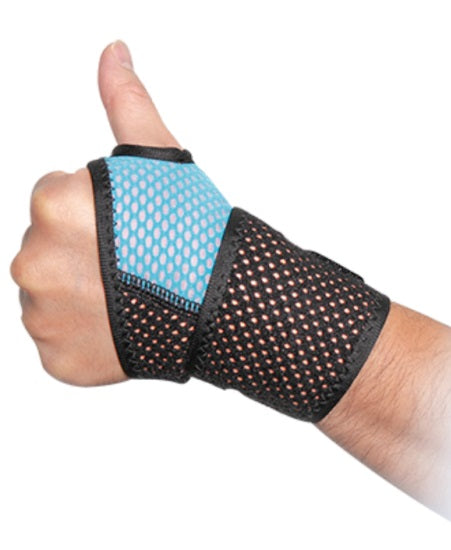
eLife Wrist Support Brace — Lace-up design for adjustable compression; medial and lateral stays for stability; ideal for Grade 1–2 wrist sprains and tendon strain management
eLife Wrist Splint — Semi-rigid palmar stay; comfortable for extended wear; appropriate for wrist sprain management and repetitive strain injuries
Post-Operative Wrist Immobilizers
After wrist fracture surgery, ligament repair, or tendon reconstruction, a post-operative wrist immobilizer protects the repair site and controls edema during the early healing phase. Your surgeon will specify the immobilization position and duration.
Why OrthoTape
Authorized dealer of Ossur, Exos, and eLife — authentic products with full manufacturer warranties
FSA/HSA eligible — use your benefits card at checkout
HCPCS codes provided for insurance reimbursement support
Fast US shipping — most orders ship same day by 3 PM EST
Medical disclaimer: Wrist braces are medical devices. Always follow your orthopedic surgeon’s or hand therapist’s protocol. If you suspect a broken wrist, seek immediate medical evaluation before ordering a brace.
How do I know if I have a broken wrist or a sprained wrist?
A broken wrist and a sprained wrist can feel very similar — both cause pain, swelling, bruising, and limited range of motion. Key signs that suggest a fracture include point tenderness directly over a bone, visible deformity, and inability to bear any weight through the wrist. However, an X-ray is the only reliable way to distinguish a wrist fracture from a sprain. If you suspect a broken wrist, seek medical evaluation immediately. In either case, immobilizing the wrist with a rigid splint while awaiting imaging is appropriate.
What is the best brace for a wrist fracture?
For a wrist fracture (distal radius or scaphoid), a rigid volar wrist splint is the standard of care during the immobilization phase. The Ossur FormFit Wrist and Exos Wrist Brace are the top clinical choices — both provide firm immobilization in a neutral position while remaining comfortable for extended wear. For scaphoid fractures, a thumb spica-style splint that immobilizes the thumb as well is typically required. Always follow your orthopedic surgeon’s specific protocol for position and duration.
How long does a sprained wrist take to heal?
Recovery from a sprained wrist depends on the grade of the injury. A Grade 1 mild wrist sprain typically heals in 2–3 weeks with rest, ice, compression, and a supportive wrist brace. A Grade 2 partial ligament tear takes 4–6 weeks with a more rigid brace and physical therapy. A Grade 3 complete wrist ligament tear may take 3–6 months and sometimes requires surgery. Consistent use of a wrist brace during the healing phase is the most important factor in a full recovery.
How long does a broken wrist take to heal?
A broken wrist (distal radius fracture) typically takes 6–12 weeks to heal, depending on the fracture type, displacement, and whether surgery was required. Non-displaced fractures managed with a rigid wrist splint or cast generally heal in 6–8 weeks. Displaced fractures requiring surgical fixation (ORIF) may take 10–12 weeks before the bone is fully healed, followed by hand therapy to restore range of motion and strength.
Can I wear a wrist brace instead of a cast for a wrist fracture?
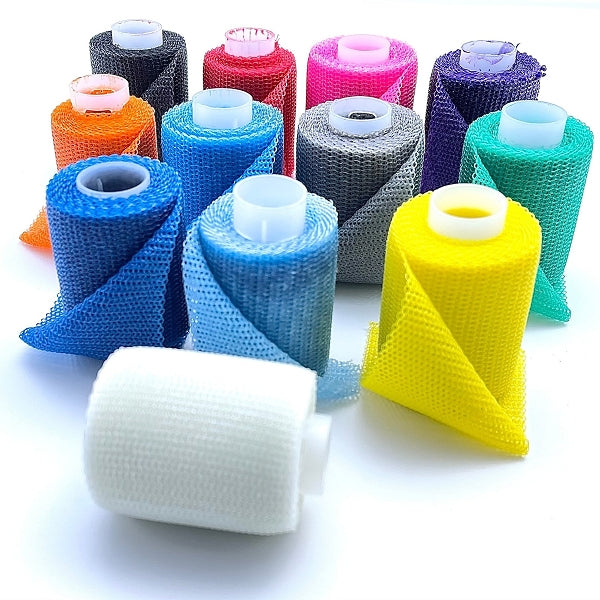
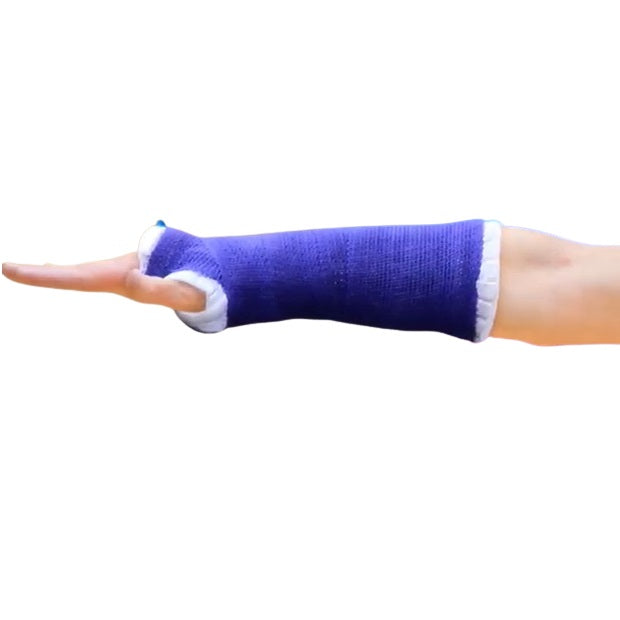
For certain non-displaced or minimally displaced wrist fractures, a rigid wrist splint or functional brace may be used instead of a traditional plaster or fiberglass cast — particularly in the later stages of healing once initial swelling has resolved. This decision is made by your orthopedic surgeon based on fracture stability and healing progress. Never substitute a brace for a cast without your surgeon’s approval.
Does insurance cover wrist braces for fractures or sprains?
Many wrist braces and splints qualify for insurance reimbursement when prescribed by a physician. OrthoTape provides detailed receipts with HCPCS codes to support your insurance claim. FSA and HSA cards are accepted at checkout. Check with your insurance provider for your specific coverage and pre-authorization requirements.