




Volar Dorsal Wrist Fiberglass Splint Kit Soft Cast Half Cast
This professional-grade volar dorsal wrist fiberglass splint kit provides dual-sided short arm support for clinician-directed wrist immobilization. Fiberglass support is positioned on both the palm side of the wrist (volar) and the back of the wrist (dorsal). Patients may also search for this type of removable wrist splint as a soft cast for wrist, half cast, removable wrist cast, or short arm splint.
This complete kit includes pre-padded synthetic fiberglass splint material, self-adhesive bandage, and synthetic padding for efficient wrist immobilization. The fiberglass is moisture-activated and typically becomes firm within approximately 5–7 minutes after activation.
Medical Uses & Indications
- Selected Wrist Fractures — When a clinician determines that short arm immobilization is appropriate
- Severe Wrist Sprains — When greater support is needed than a simple wrist brace provides
- Selected Carpal Injuries — Injuries that do not require a thumb spica configuration
- Post-operative Immobilization — Following selected wrist procedures when prescribed by the treating clinician
- Temporary Short Arm Immobilization — During swelling or while awaiting follow-up treatment
- Wrist and Hand Soft-Tissue Injuries — When dual-sided short arm support is clinically appropriate
Key Features
- Pre-Padded Design: Padding is already incorporated into the fiberglass splint material for easier preparation
- Quick-Setting: Typically becomes firm within approximately 5–7 minutes after moisture activation
- Dual Volar Dorsal Design: Fiberglass support is positioned on both the palm side and back of the wrist
- Soft Cast Half Cast Configuration: Common patient terminology for this removable, noncircumferential wrist splint style
- Short Arm Support: Supports the wrist and distal forearm while leaving the elbow free
- Complete Kit: Includes fiberglass splint material, self-adhesive bandage, and synthetic padding
- Professional Quality: Designed for clinician-directed orthopedic splinting and professional training
- Radiolucent: Compatible with X-ray imaging through the fiberglass material
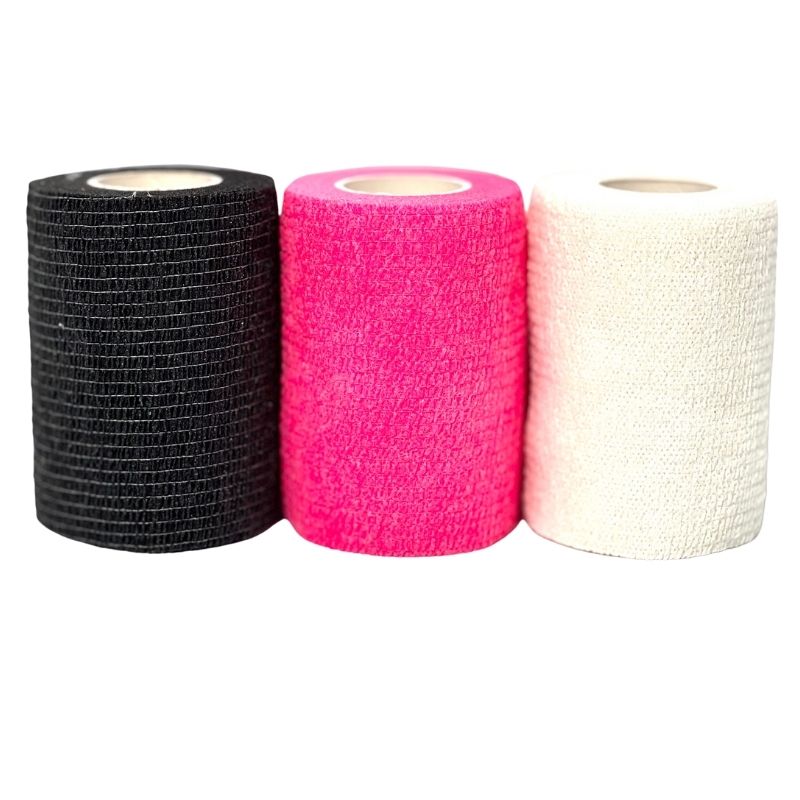
- Color Options: White, Black, and Hot Pink bandage colors available
What Is a Volar Dorsal Wrist Splint?
A volar dorsal wrist splint uses fiberglass support on two sides of the wrist — one on the palm side (volar) and one on the back of the wrist (dorsal). Compared with a single volar splint, the dual-sided design provides additional short arm stability against wrist flexion, extension, and side-to-side movement.
This type of fiberglass wrist splint is noncircumferential, which is why patients may describe it as a soft cast, half cast, or removable wrist cast. It should not be confused with a sugar tong splint. A short arm volar dorsal splint is not designed to fully restrict forearm pronation and supination.
If greater restriction of forearm rotation is required, see the Sugar Tong / Reverse Sugar Tong Wrist Splint Kit.
Volar Dorsal Splint vs Volar Splint vs Sugar Tong Splint
| Splint Type | Configuration | Primary Support |
|---|---|---|
| Volar Wrist Splint | Single palm-side fiberglass support | Short arm wrist support |
| Volar Dorsal Wrist Splint | Palm-side and dorsal fiberglass support | Greater short arm support from both sides |
| Sugar Tong Splint | Extends from the wrist around the elbow | Wrist support with greater restriction of forearm rotation |
Kit Contents by Size
| Size | Splint Dimensions* | Self-Adhesive Bandage | Synthetic Padding |
|---|---|---|---|
| Child 6–12 | 3" × 35" | 1 Roll 3" | 1 Roll 2" |
| Teen 13–17 | 4" × 30" | 1 Roll 3" | 1 Roll 3" |
| Adult 18+ | 4" × 30" | 1 Roll 3" | 1 Roll 4" |
* Each kit contains fiberglass splint material used to create the volar and dorsal supports. Trim and divide the material as needed according to the treating clinician's technique.
How to Apply a Volar Dorsal Wrist Splint

Why Buy Direct Instead of at Your Doctor's Office?
Purchasing a complete fiberglass wrist splint kit directly allows the primary splinting materials to be obtained together rather than purchased or billed separately. Some orthopedic offices allow patients to bring prescribed or recommended splinting supplies to an appointment, although clinic policies vary.
When purchasing this kit for a specific injury or procedure, confirm the required splint configuration with the treating healthcare professional. Insurance reimbursement and facility charges vary by plan and provider.
Frequently Asked Questions — Volar Dorsal Wrist Splint
What is a volar dorsal wrist splint and when is it used?
A volar dorsal wrist splint uses fiberglass support on both the palm side and the back of the wrist and distal forearm. It is commonly used for clinician-directed short arm immobilization of selected wrist fractures, severe sprains, soft-tissue injuries, and post-operative care when dual-sided wrist support is appropriate.
Is a volar dorsal wrist splint the same as a soft cast or half cast?
Soft cast and half cast are common patient terms for removable or noncircumferential splints. This product is specifically a short arm volar dorsal fiberglass splint that supports the wrist from both the palm and dorsal sides.
What is the difference between a volar wrist splint and a volar dorsal wrist splint?
A volar wrist splint uses one fiberglass support on the palm side of the wrist. A volar dorsal splint adds support on the back of the wrist, providing greater short arm stability from both sides when a clinician wants more wrist motion restriction than a single-sided splint provides.
Does a volar dorsal wrist splint stop pronation and supination?
A short arm volar dorsal splint can provide substantial wrist support, but it is not designed to fully prevent forearm pronation and supination. When greater restriction of forearm rotation is required, a clinician may choose a sugar tong or another above-elbow splint configuration.
Is fiberglass better than plaster for a volar dorsal wrist splint?
Fiberglass is lighter, sets faster, is durable, and is radiolucent, while plaster can offer excellent moldability. Both materials are used clinically, and the appropriate material depends on the injury, application technique, and clinician preference.
Is this the correct splint for a scaphoid fracture?
Scaphoid injuries are commonly immobilized with a thumb spica configuration that stabilizes the thumb and radial side of the wrist. Suspected scaphoid fractures should be medically evaluated because diagnosis and treatment depend on fracture location, stability, and imaging findings.
What size volar dorsal wrist splint should I order?
The current kits are Child 6–12 with 3-inch by 35-inch splint material, Teen 13–17 with 4-inch by 30-inch material, and Adult 18+ with 4-inch by 30-inch material. The fiberglass material can be trimmed and divided according to the treating clinician's application technique.
Can I use HSA or FSA funds for this wrist splint kit?
This product is FSA/HSA eligible. Plan requirements differ, so check your plan rules and retain your purchase receipt.
Explore Other Fiberglass Splint Kits
Looking for a different splint type? OrthoTape offers complete fiberglass splint kits for upper and lower extremities with pre-padded, ready-to-apply fiberglass splint material.
| Splint Kit | Best For |
|---|---|
| Volar Wrist Splint Kit | Single-sided short arm wrist support |
| Sugar Tong / Reverse Sugar Tong Wrist Kit | Wrist and forearm support with greater restriction of rotation |
| Ulnar Gutter Splint Kit | Fourth and fifth metacarpal support |
| Thumb Spica Splint Kit | Thumb and radial wrist immobilization including selected scaphoid injuries |
| Long Arm Splint Kit | Elbow and forearm immobilization |
| Posterior Ankle Splint Kit | Ankle and lower-leg immobilization |
| Posterior Knee Splint Kit | Knee and lower-extremity immobilization |
| Ankle Stirrup Splint Kit | Lateral ankle stability and immobilization |
→ View All Fiberglass Splint Kits
OrthoTape is an authorized dealer of the products sold on this site. This product is intended for clinician-directed splinting or professional training. A qualified healthcare professional should determine the correct splint type, positioning, wearing time, and activity restrictions. Wrist injuries should be medically evaluated when fracture, instability, significant swelling, numbness, or another serious injury is suspected. FSA/HSA eligible — check with your plan administrator. HCPCS: A4570.