





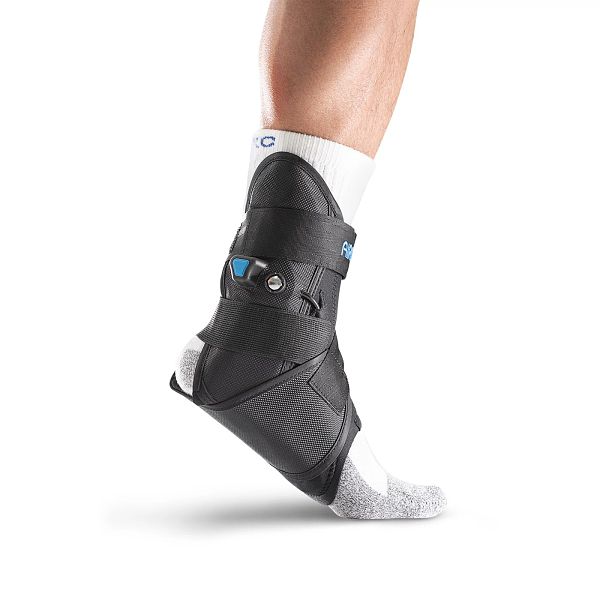
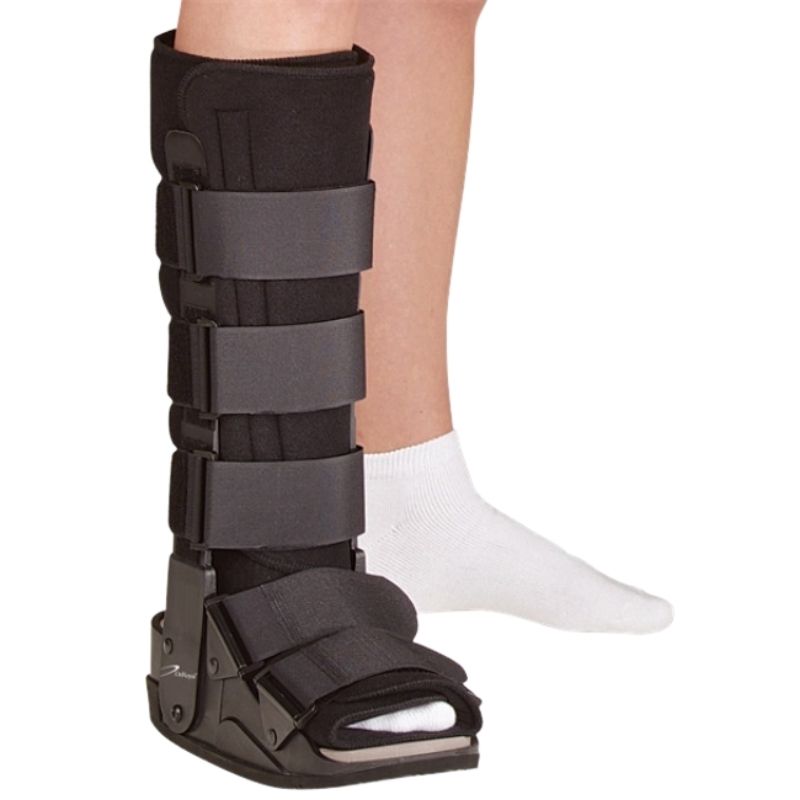

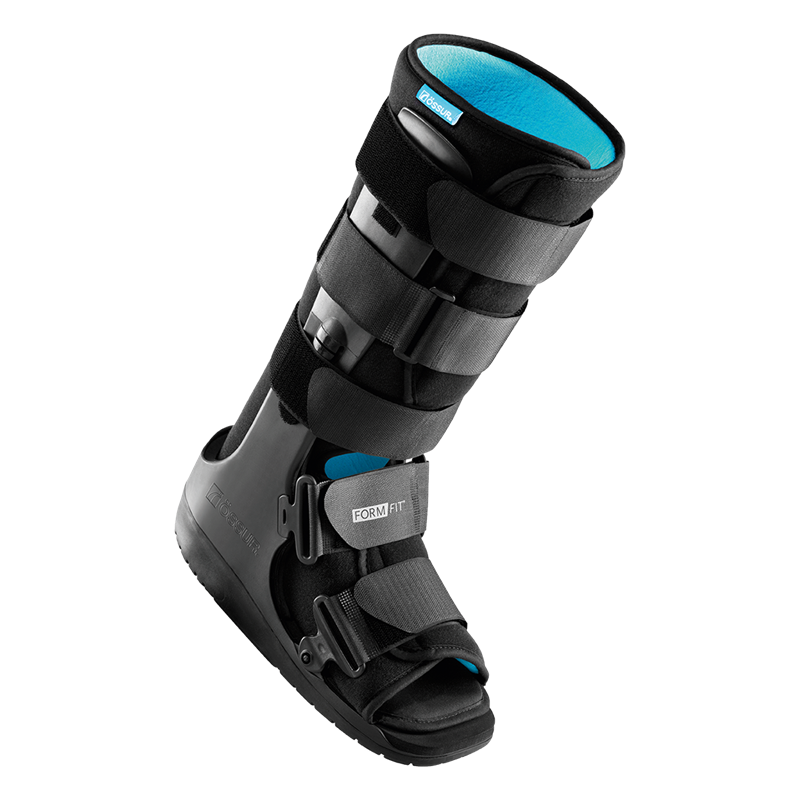
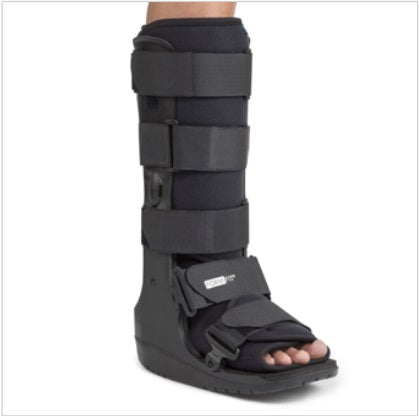



An ankle sprain injury stretches or tears the ligaments that stabilize the ankle. An ankle fracture injury breaks one or more bones around the ankle joint. Because both injuries can cause pain, swelling, bruising and difficulty walking, a severe sprain can be difficult to distinguish from a broken ankle without a medical examination and, when indicated, an X-ray.
Quick answer: A really bad ankle sprain may require temporary immobilization with an ankle splint, tall CAM walking boot or short-leg cast, followed by range-of-motion, strengthening and balance rehabilitation. A diagnosed stable ankle fracture may be treated with a tall medical walking boot or cast. The correct device, wearing time and weight-bearing plan depend on the diagnosis and must be determined by a qualified healthcare professional.
Get urgent medical care: Seek immediate evaluation if the ankle is at an unusual angle, bone is visible, there is a deep wound, the toes become blue, white or numb, pain is severe or uncontrollable, or swelling rapidly worsens. Prompt evaluation is also appropriate when you cannot bear weight after an acute injury or have significant tenderness directly over an ankle or foot bone.
Top Support Options for Severe Ankle Sprains and Fractures
These product categories are arranged by the amount of immobilization commonly needed. They are not substitutes for a diagnosis. Medical splints and casts should be selected and applied by a trained healthcare professional.
One or more bones around the ankle joint are cracked or broken.
Common causes
A rolled ankle, awkward landing, sudden direction change, fall or uneven surface.
A forceful twist, fall, direct impact, sports injury or motor-vehicle accident.
Possible symptoms
Pain, swelling, bruising, tenderness, stiffness and ankle instability.
Sudden pain, swelling, bruising, bone tenderness, inability to bear weight and sometimes deformity.
How is it diagnosed?
Medical history, physical examination and sometimes imaging to rule out fracture or another injury.
Physical examination and usually an X-ray; CT or other imaging may be needed for complex injuries.
Common support options
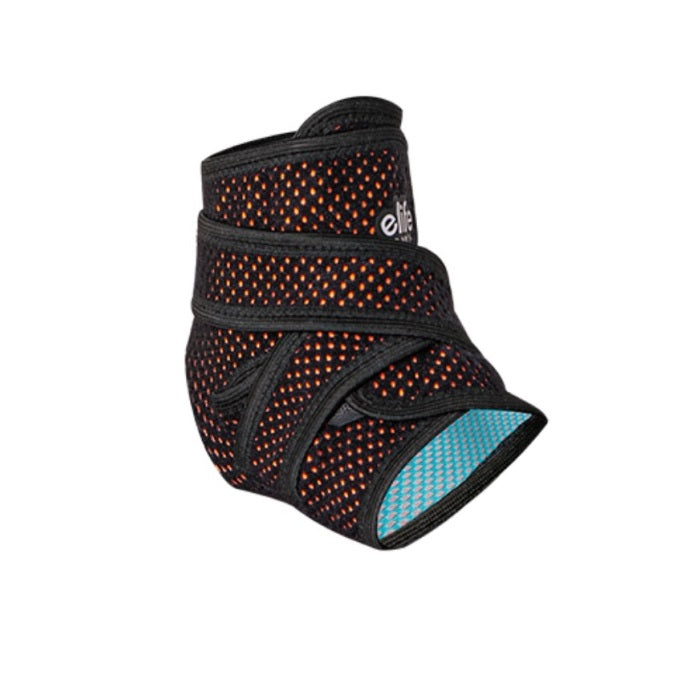
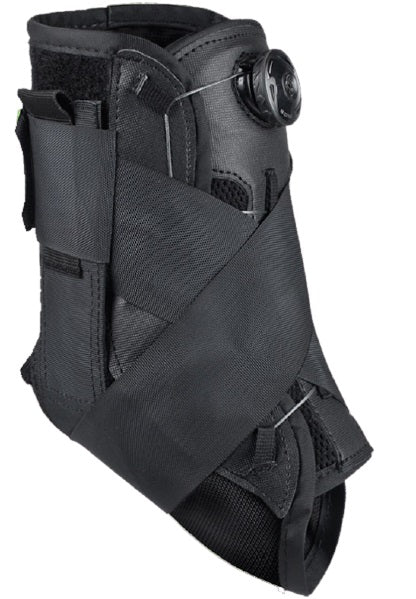
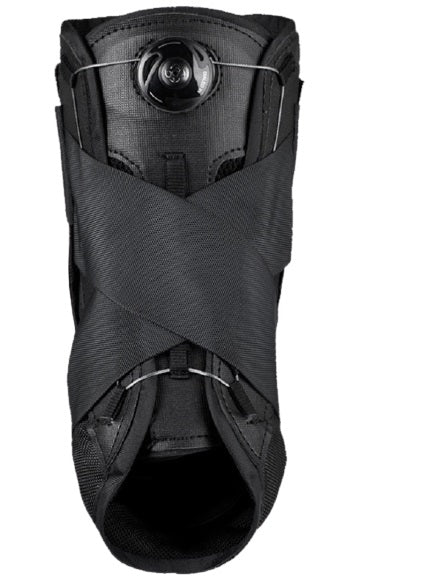
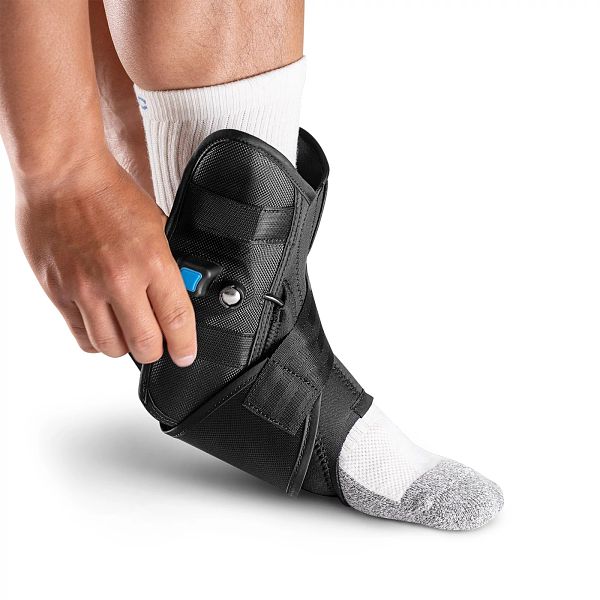
Brace, air-stirrup brace, ankle splint, tall walking boot or short period of casting, depending on severity.
Initial splint, tall CAM boot, short-leg cast, reduction or surgery, depending on stability and alignment.
Important: Pain severity alone cannot reliably identify a fracture. Severe ankle sprains can cause the same pain, bruising, swelling and difficulty bearing weight as a broken ankle.
Grade 1, Grade 2 and Grade 3 Ankle Sprains
Ankle sprain grades and commonly recommended support levels
Sprain Grade
Typical Ligament Injury
Possible Support Level
Grade 1 — Mild
Slight stretching and microscopic ligament tearing with mild tenderness or swelling and no significant instability.
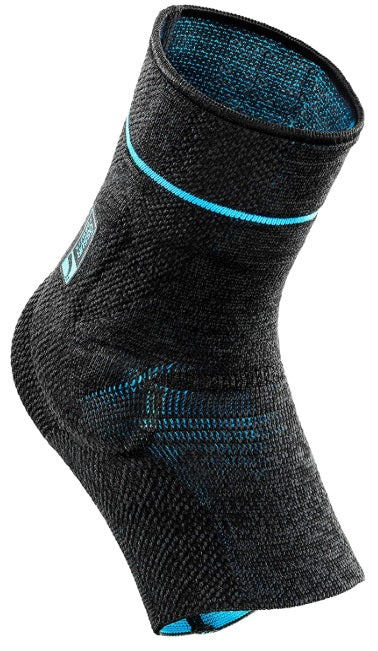
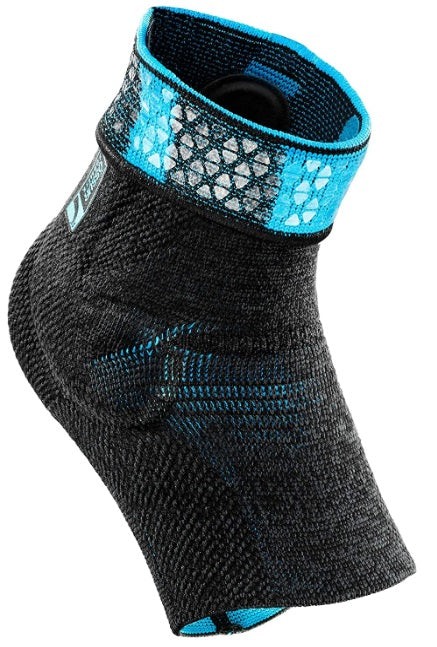
Compression or an ankle brace may be recommended while beginning controlled movement and rehabilitation.
Grade 2 — Moderate
Partial ligament tear with moderate swelling, bruising, tenderness and some instability.
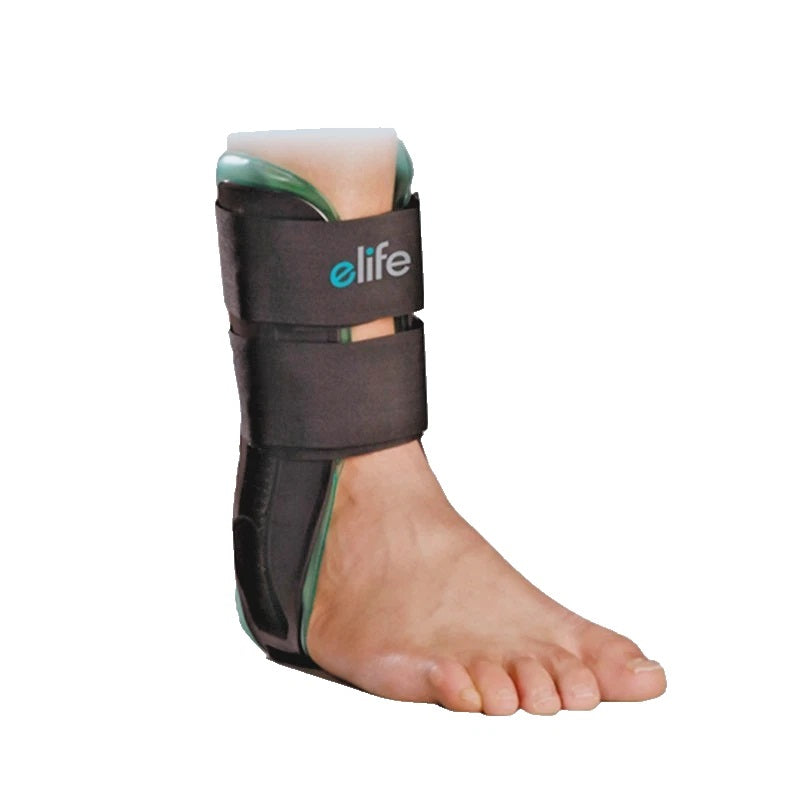
An air-stirrup brace, ankle splint or tall walking boot may be used temporarily, followed by functional rehabilitation.
Grade 3 — Severe
Complete ligament tear with significant swelling, bruising, pain during weight-bearing and marked instability.
A short period of stronger immobilization with a splint, tall CAM boot, cast-brace or short-leg cast may be needed before rehabilitation.
Most isolated low ankle sprains are treated without surgery. Surgery is generally reserved for persistent instability, an associated injury or certain unstable high ankle sprains. Immobilization should not continue longer than prescribed because unnecessary prolonged immobilization can contribute to stiffness, weakness and delayed functional recovery.
Which Ankle Support Should You Discuss With Your Clinician?
Ankle injury product selection guide
Diagnosed Injury or Recovery Stage
Support to Discuss
Primary Purpose
Acute severe sprain or suspected fracture
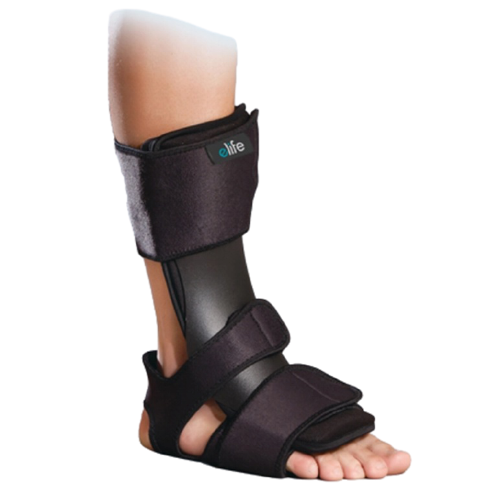
Posterior ankle splint, stirrup ankle splint or combined splint
Initial protection and motion control while accommodating acute swelling.
Grade 2 ankle sprain
Air-stirrup brace, ankle splint or tall CAM walking boot
Temporary support followed by progressive movement and rehabilitation.
Grade 3 ankle sprain
Tall CAM boot, ankle splint, cast-brace or short-leg cast
Short-term immobilization for a severely torn and unstable ligament.
Stable, nondisplaced ankle fracture
Tall medical walking boot or short-leg cast
Protect the fracture and restrict unwanted ankle motion while the bone heals.
Displaced or unstable ankle fracture
Clinician-applied splint followed by reduction, casting or surgery
Restore and maintain proper bone alignment.
Transition out of a boot or cast
Ankle brace
Provide functional stability while strength, motion and balance return.
Ankle Splints for Acute Injuries
Stirrup Ankle Splint
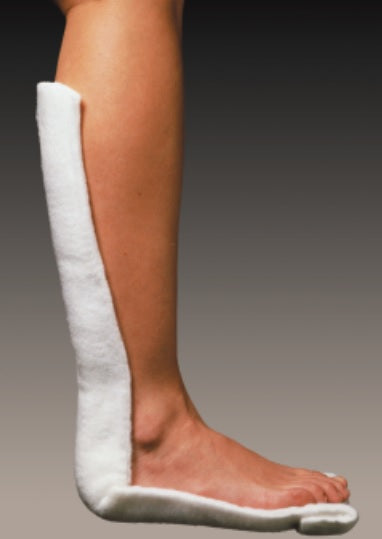
A stirrup or U-splint wraps around both sides of the lower leg and under the heel. It primarily limits inversion and eversion—the side-to-side movements involved in many ankle sprains. Because it is not a complete circumferential cast, it can better accommodate early swelling when applied correctly.
Posterior Ankle Splint
A posterior splint supports the back of the lower leg, ankle and foot. It helps limit plantarflexion and dorsiflexion and may hold the ankle near a neutral position when clinically appropriate. A posterior splint may be combined with a stirrup splint when stronger three-sided immobilization is required.
Professional application matters: Incorrect positioning, padding or wrapping tension can cause pressure injury, skin problems, circulation restriction or inadequate immobilization.
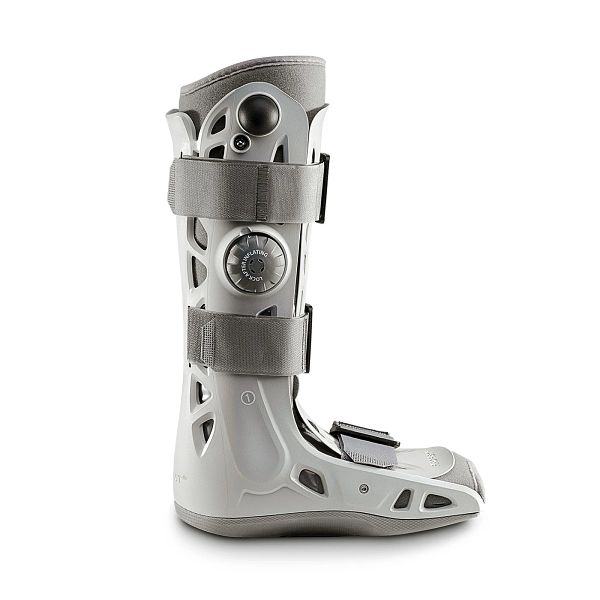
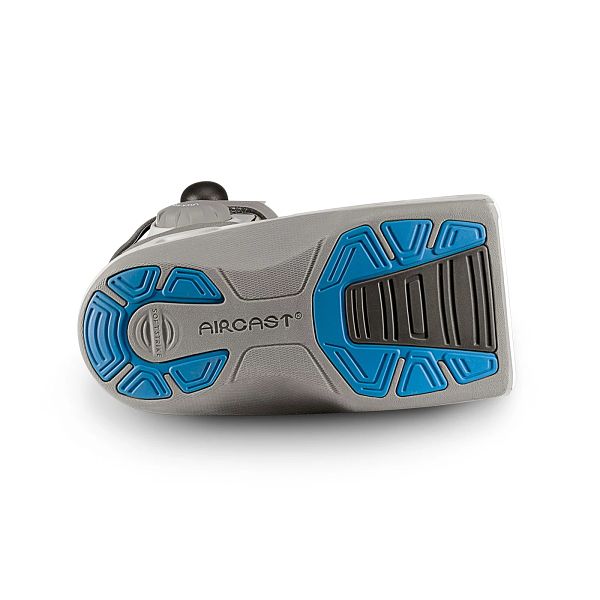
Medical Walking Boots and Fracture Boots
Tall vs. Short CAM Boot
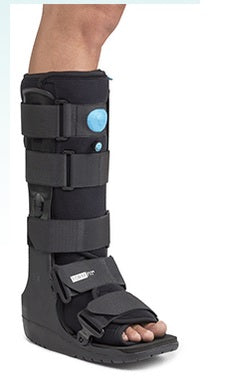
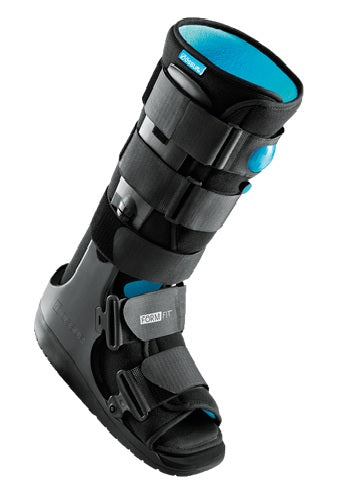
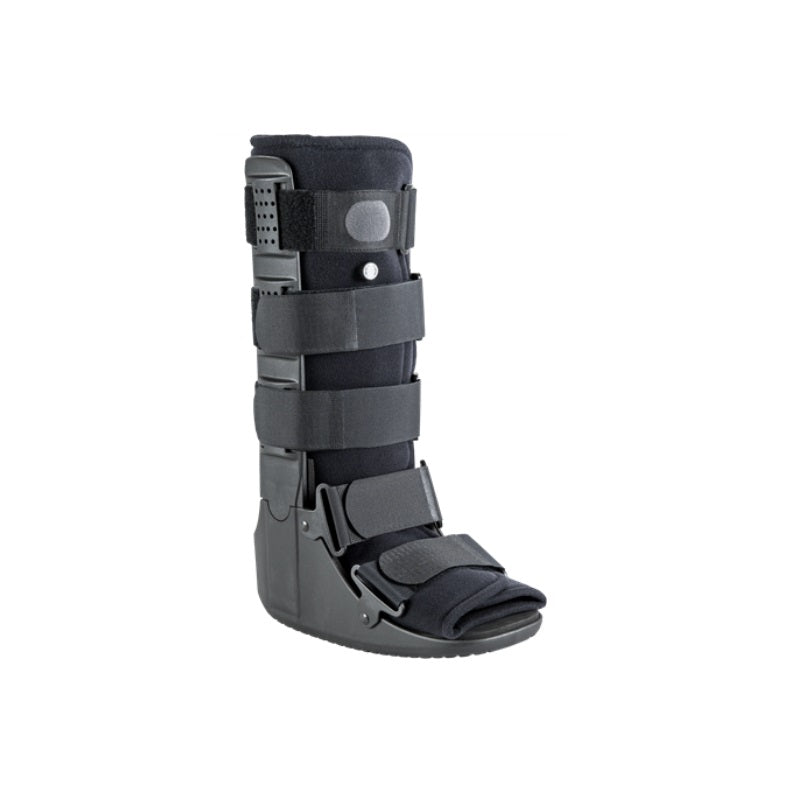
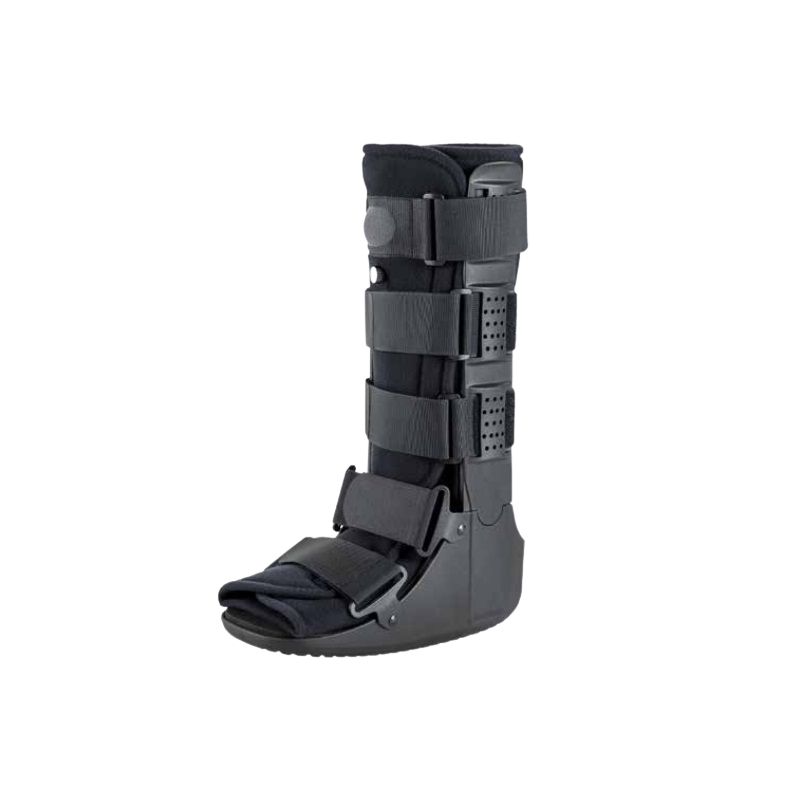
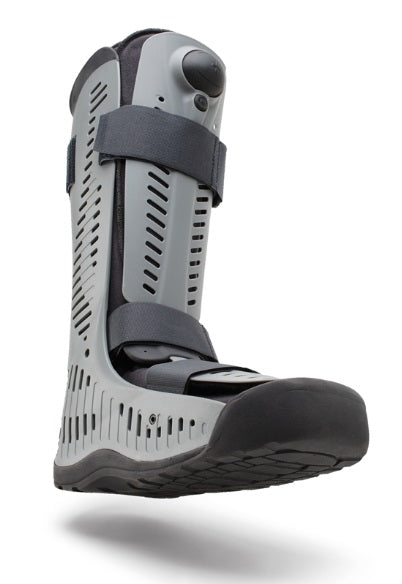
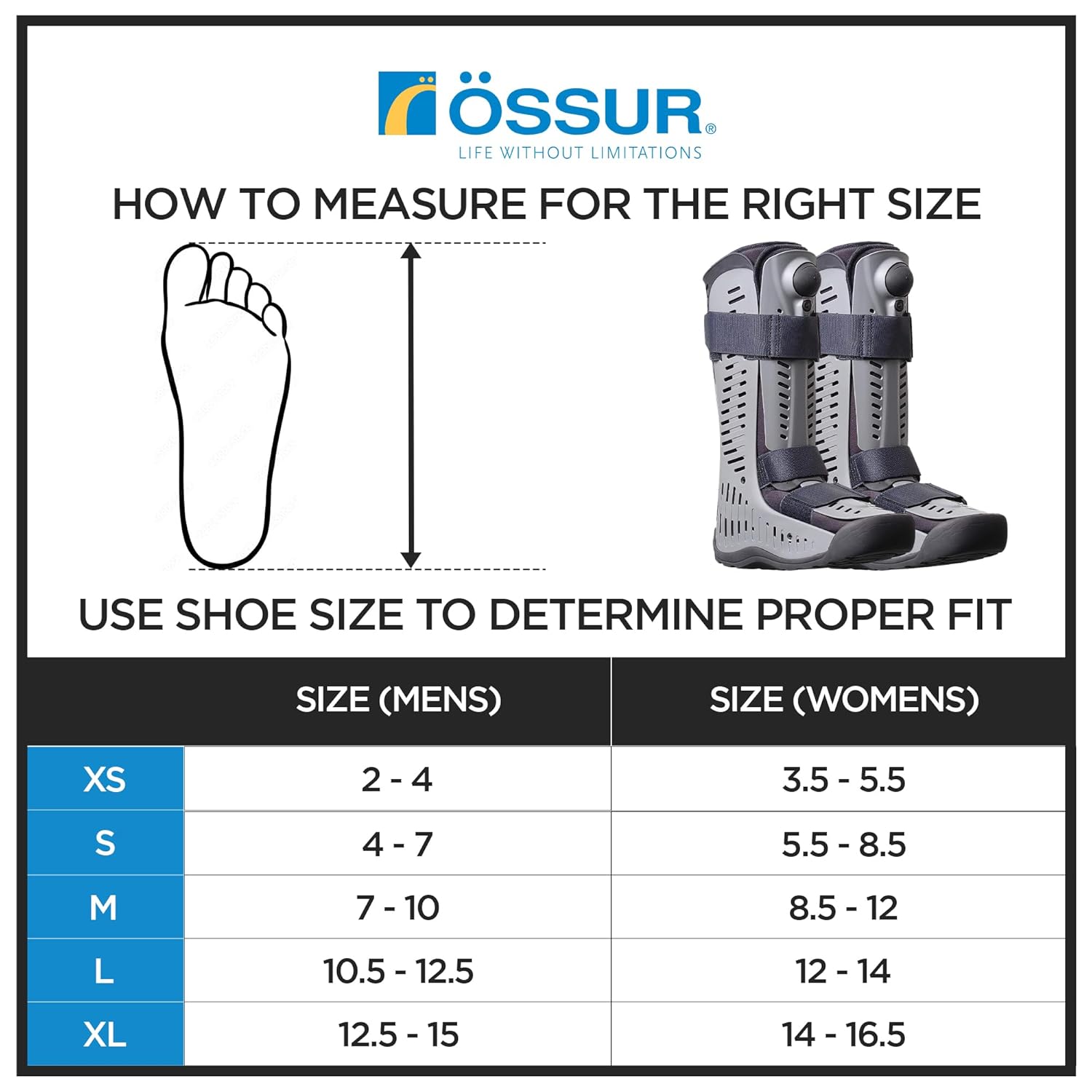
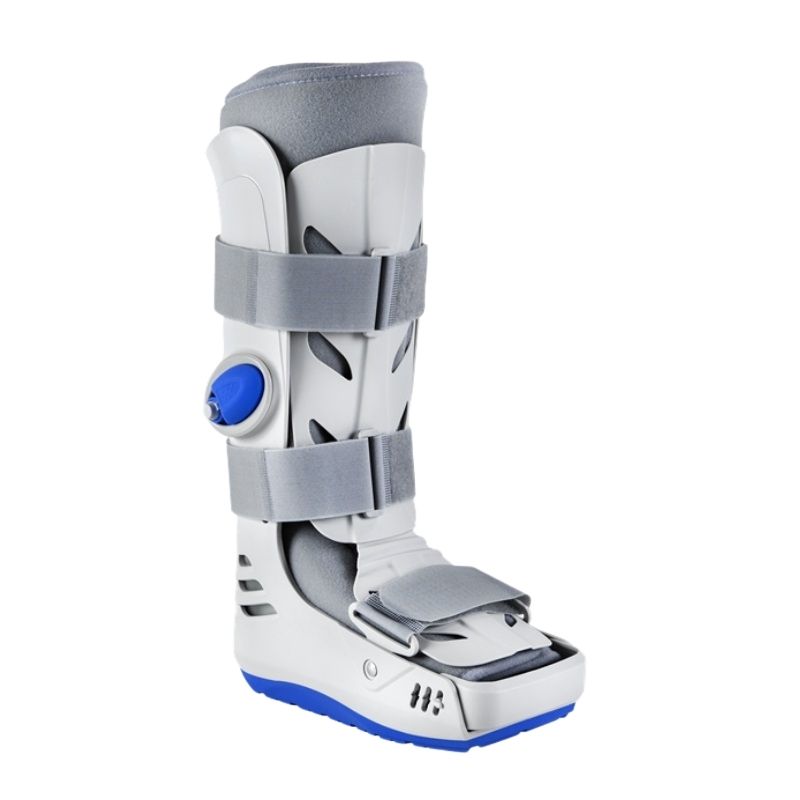
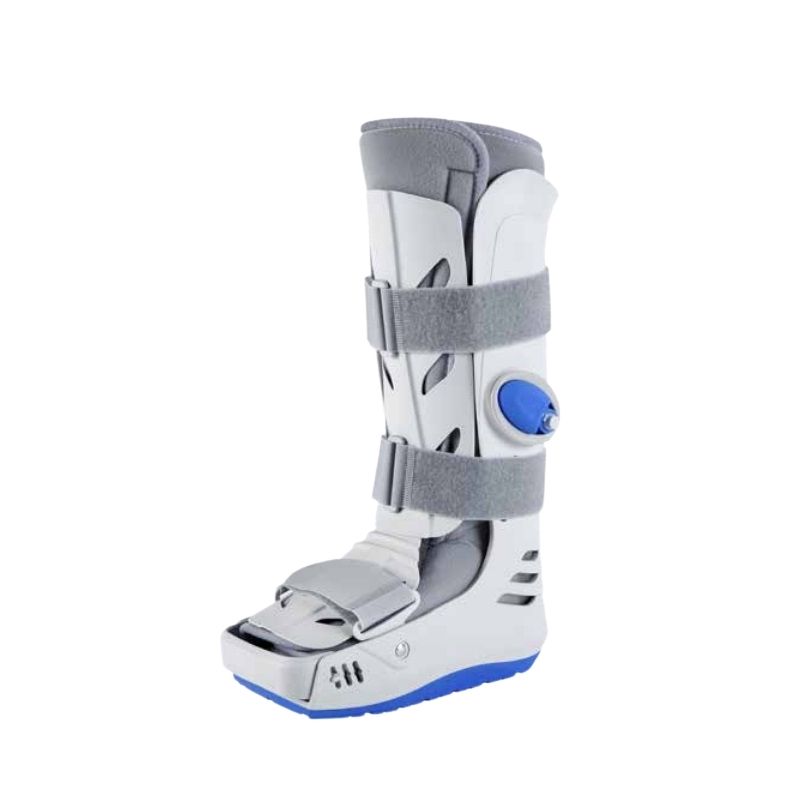
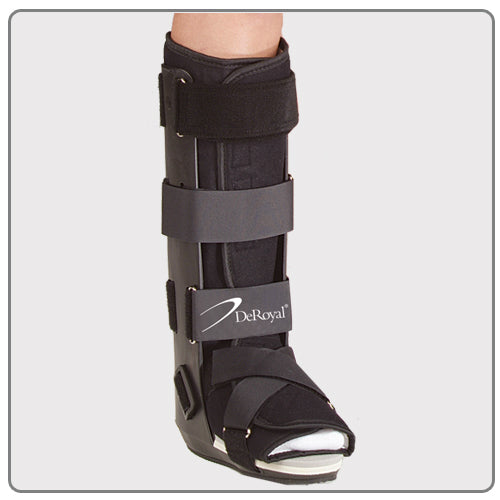
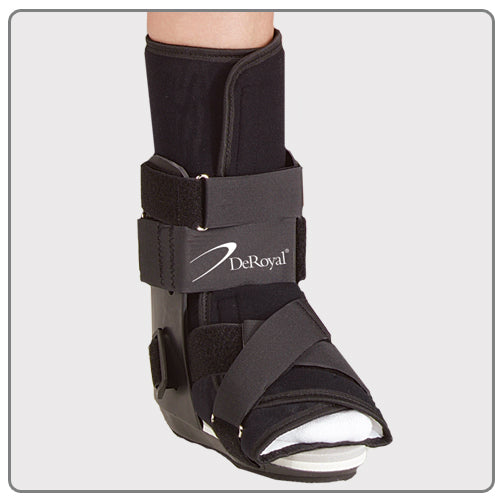
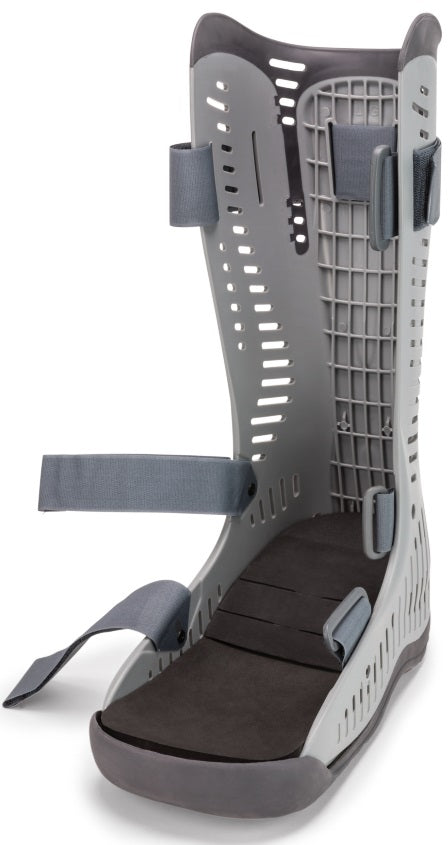
For an injury involving the ankle joint, ankle ligaments, Achilles tendon or lower leg, a tall or standard-height CAM boot generally provides more motion control than a short boot. Short or low-top walking boots are more commonly selected for injuries located primarily in the foot or for a later recovery stage when specifically prescribed.
Pneumatic vs. Non-Pneumatic Boot
Pneumatic or air walking boot: Inflatable bladders allow the fit and compression to be adjusted as swelling changes.
Non-pneumatic walking boot: Foam padding and straps provide simpler, consistent support without an air pump.
A "walking boot" does not automatically mean walking is permitted. Your clinician must determine whether you are non-weight-bearing, partial weight-bearing or weight-bearing as tolerated.
Short-Leg Casts for Ankle Fractures
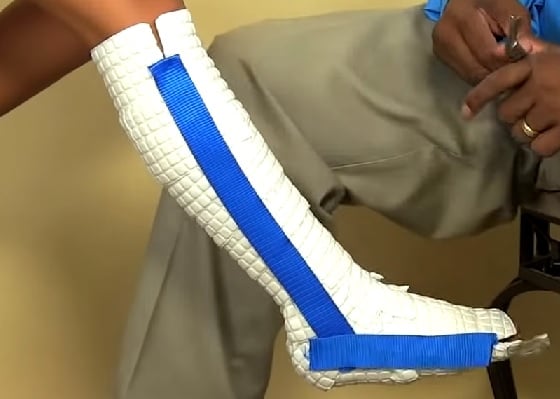
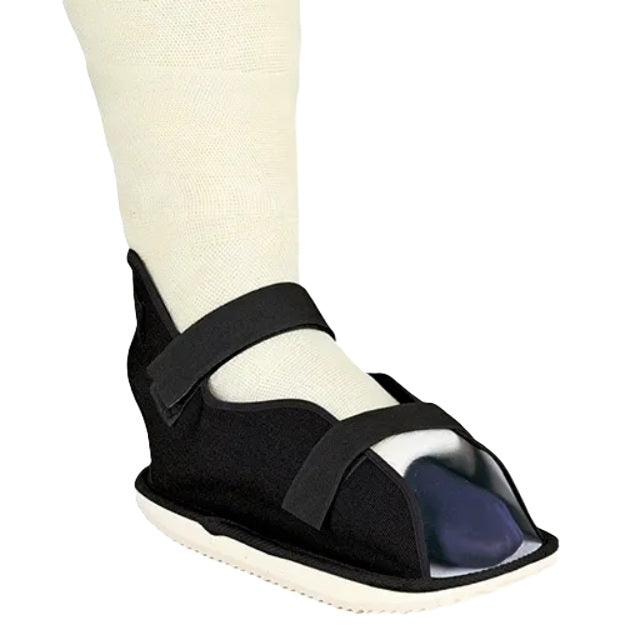
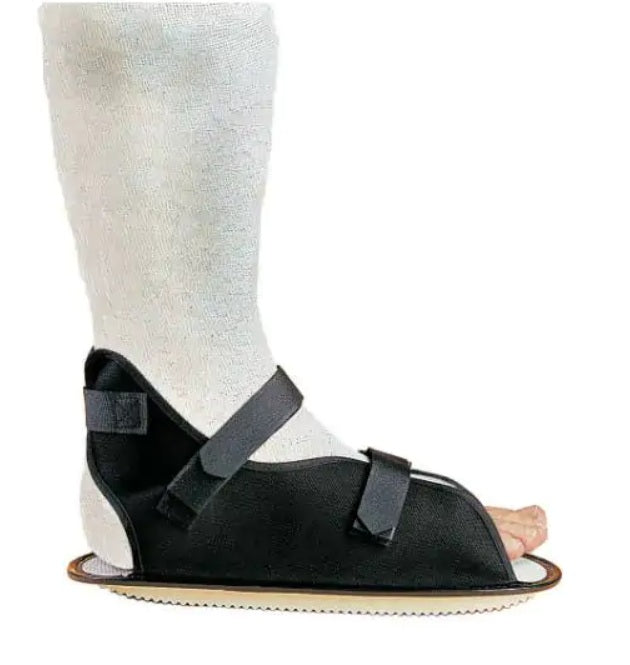
A short-leg cast extends from below the knee around the ankle and foot. It may be selected when rigid immobilization and consistent wear are important. A removable CAM boot offers easier skin checks and hygiene, but it depends more heavily on correct fit and patient compliance. The better choice depends on fracture stability, swelling, skin condition, age, activity level and the treatment plan.
Traditional and waterproof fiberglass cast kits should be applied by a qualified professional. Waterproof padding may permit showering, bathing or swimming when the specific system is applied correctly and the treating clinician approves water exposure. Always follow the product's cast-care instructions.
Ankle Sprain and Fracture Recovery
Recovery time varies substantially. AAOS notes that a minor ankle-sprain treatment program may take approximately two weeks, while more severe sprains may require six to twelve weeks. Broken ankle bone healing is often discussed in six-to-eight-week terms, but complex fractures, surgery, persistent swelling and restoration of full strength or motion can extend recovery considerably.
Typical Recovery Priorities
Protect the injury: Use the prescribed splint, boot, cast, brace or crutches.
Control pain and swelling: Follow the clinician's instructions for rest, cold therapy, compression and elevation.
Restore motion: Begin approved range-of-motion exercises when immobilization is reduced.
Rebuild strength: Progressively strengthen the muscles and tendons supporting the ankle.
Retrain balance: Proprioception and balance exercises help reduce recurrent sprain risk.
Return gradually: Resume work, walking, running and sports according to functional progress and medical clearance.
Frequently Asked Questions
Should I use an ankle splint, walking boot or brace?
A brace commonly provides functional support for a mild diagnosed sprain or later rehabilitation. A severe sprain may require temporary immobilization with an ankle splint, tall CAM boot or short-leg cast. A suspected fracture should be medically evaluated before selecting a device.
How can I tell if my ankle is broken or sprained?
You usually cannot tell from pain and swelling alone. Both injuries can cause severe pain, bruising, tenderness and inability to bear weight. Significant bone tenderness, deformity or difficulty bearing weight may lead a clinician to order an X-ray.
Can a severe ankle sprain require a walking boot?
Yes. A healthcare professional may recommend a walking boot for a moderate or severe ankle sprain when greater motion control is needed. Immobilization is generally temporary and should be followed by appropriate movement, strengthening and balance rehabilitation.
Should I choose a tall or short walking boot for an ankle injury?
A tall boot generally provides more control for an injury involving the ankle joint, ankle ligaments, Achilles tendon or lower leg. Short boots are more commonly used for injuries located mainly in the foot or when specifically directed during a later recovery stage.
Can I walk on a broken ankle while wearing a boot?
Only if your treating clinician has authorized weight-bearing. Some stable fractures permit protected walking, while other fractures require no weight on the injured leg. The term "walking boot" does not itself provide permission to walk.
Is a cast or CAM boot better for an ankle fracture?
Neither is best for every fracture. A cast provides rigid, non-removable immobilization. A CAM boot is removable and adjustable but requires correct use and compliance. Fracture location, stability, swelling, surgery and patient factors determine the appropriate choice.
How long does an ankle sprain or fracture take to heal?
Minor sprains may improve within a few weeks, while severe sprains can require six to twelve weeks or longer. Many broken ankles require at least six to eight weeks for bone healing, but complete recovery can take longer. Follow-up findings and imaging determine the actual timeline.
Can I apply an ankle splint or short-leg cast myself?
Medical fiberglass splints and casts should be fitted and applied by a qualified healthcare professional. Improper positioning, padding or wrapping pressure can cause skin injury, circulation problems or inadequate immobilization.
Will my doctor use a splint, boot or cast kit that I purchase?
Office policies vary. Contact the treating clinic before purchasing or bringing supplies to confirm the required product, size, application plan and whether patient-supplied materials are accepted.
Updated July 18, 2026. Prepared by the OrthoTape Product Education Team. This page explains orthopedic support options and does not diagnose an injury. Product selection, application, immobilization time and weight-bearing status must follow the instructions of a qualified healthcare professional.