Use this bar to show information about your cookie policy.
Medical Cast Boot
9 products
Showing 1 - 9 of 9 products
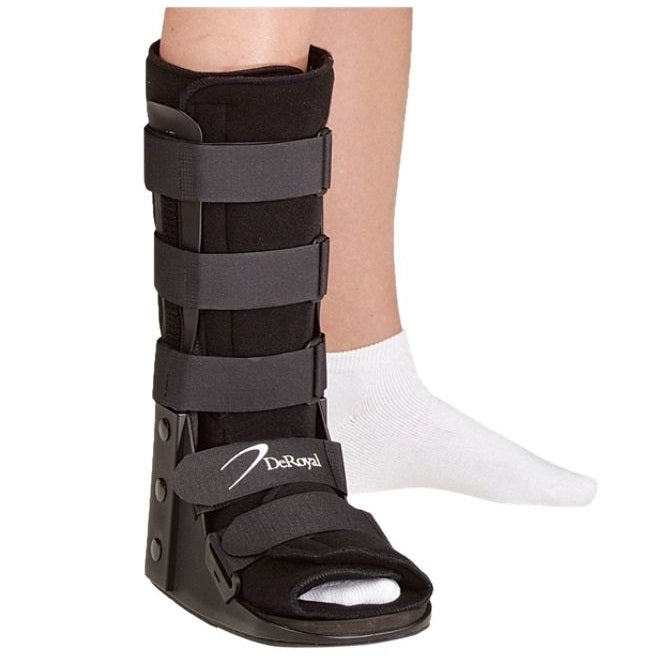
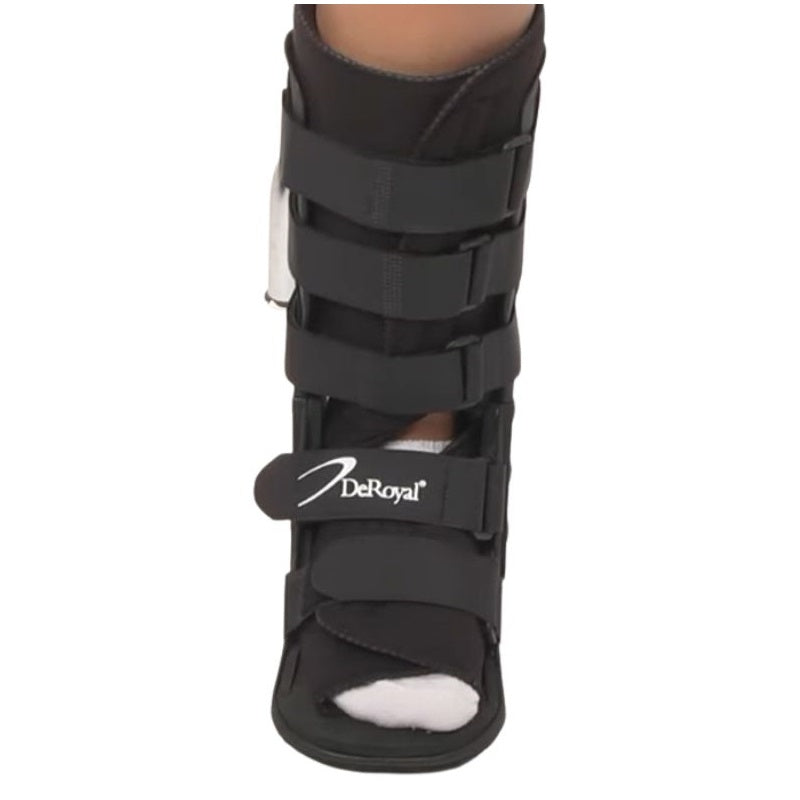
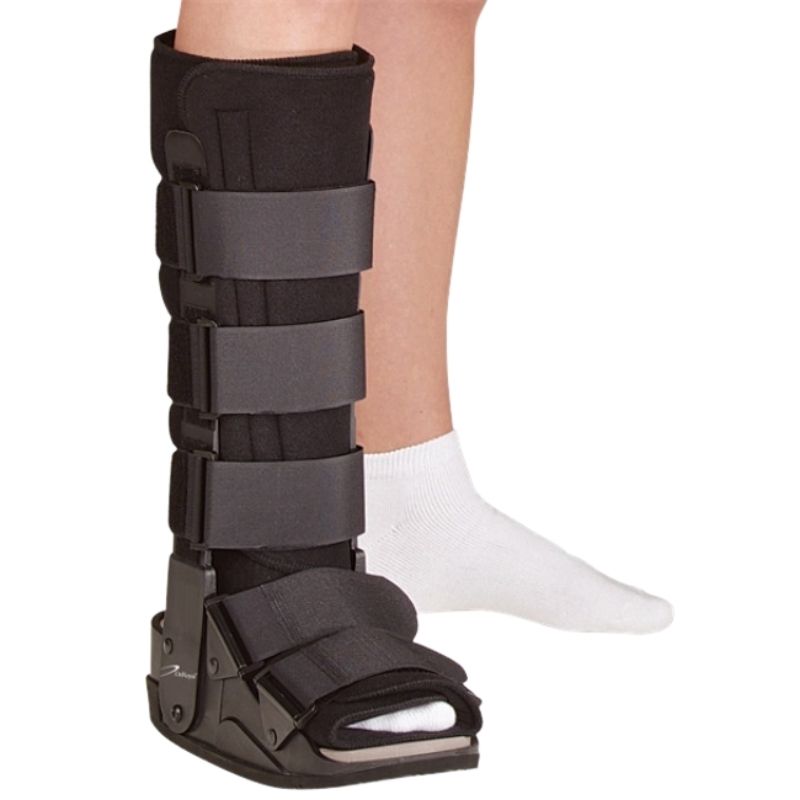
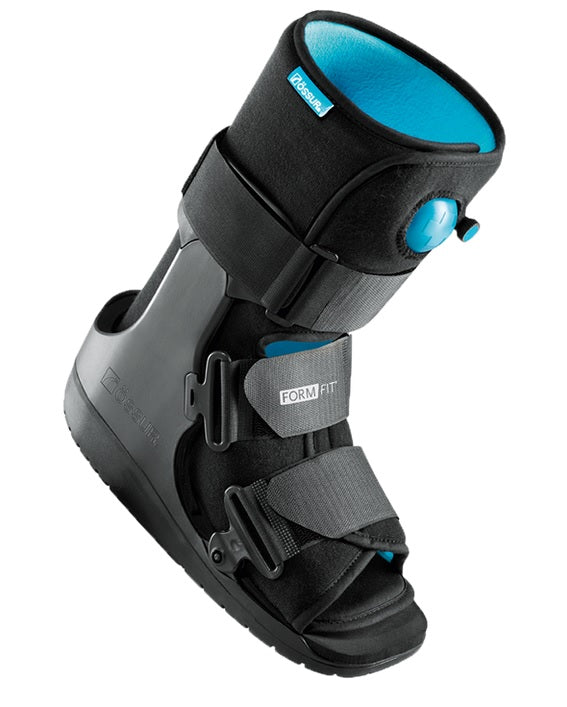
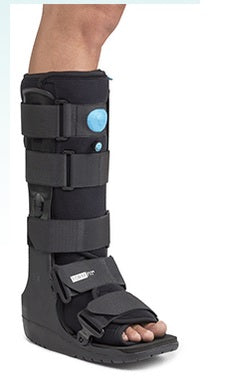
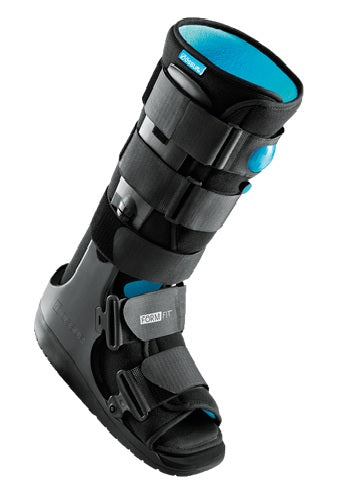
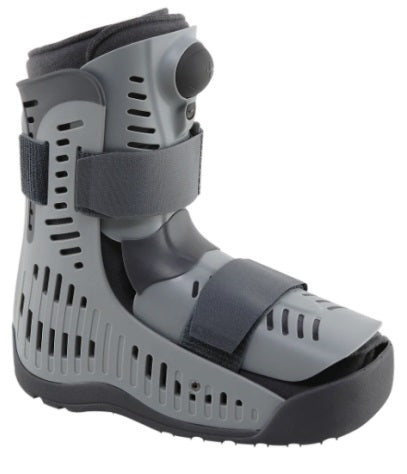
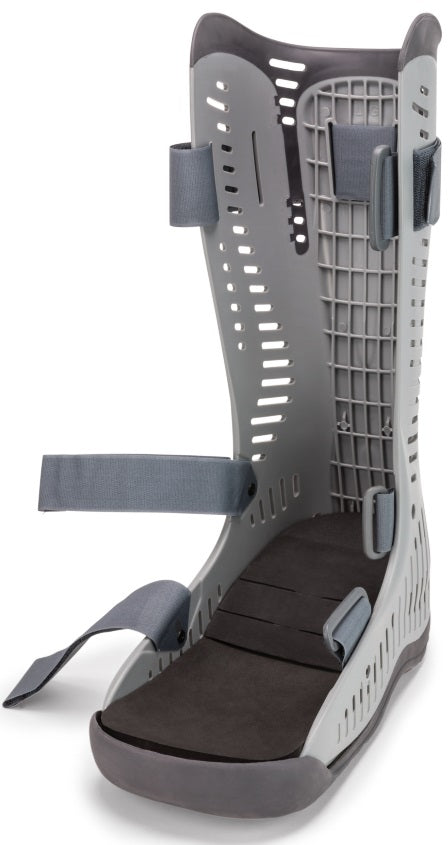
Cast Boot / CAM Walking Boot (Orthopedic Medical Walking Boots)
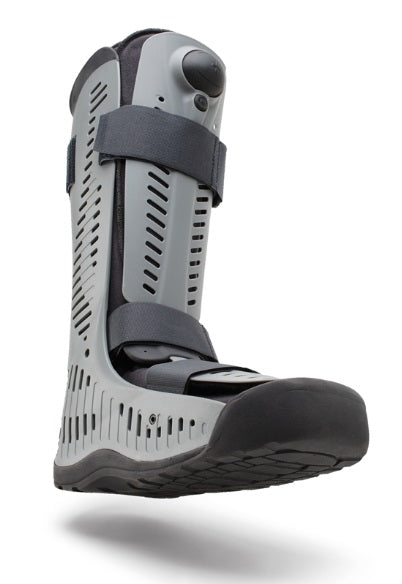
A cast boot (also called castboot, CAM walking boot, orthopedic boot, medical walking boot, or fracture boot) is a removable boot designed to help immobilize and protect the foot, ankle, and lower leg during recovery. People often use these for a broken foot, fractured foot, or a twisted ankle—always follow your clinician’s plan for immobilization and weight-bearing.
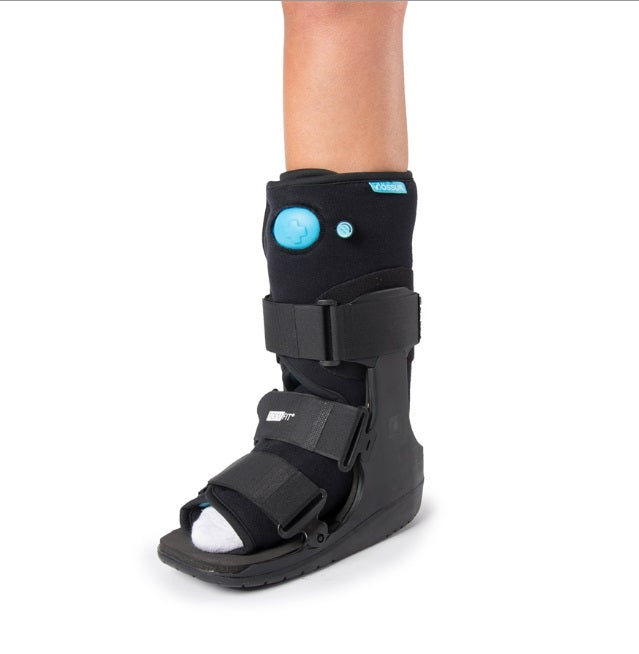
Quick chooser: • Air (pneumatic) cast boots = best when swelling changes + adjustable compression • Non-air medical boots = best for stable swelling + simple, consistent support • Tall boots = ankle/Achilles/lower leg injuries • Short boots = foot-only injuries below the ankle
The best choice usually depends on swelling and how much adjustability you need throughout the day. If you’re shopping for a boot for a broken foot or boot for a fractured foot, swelling control is often the deciding factor.
Quick decision: If swelling is changing day-to-day (or morning-to-evening), an air cast boot is usually the safer bet for comfort and fit. If swelling is stable and you want simplicity, a non-air medical boot can be an excellent choice.
Tall vs Short Walking Boot Height
Height matters because ankle and Achilles injuries typically need support higher up the calf, while many foot-only injuries do not.
If your injury is…
Usually choose…
Why
At/above the ankle (fracture, severe sprain, ligament injury)
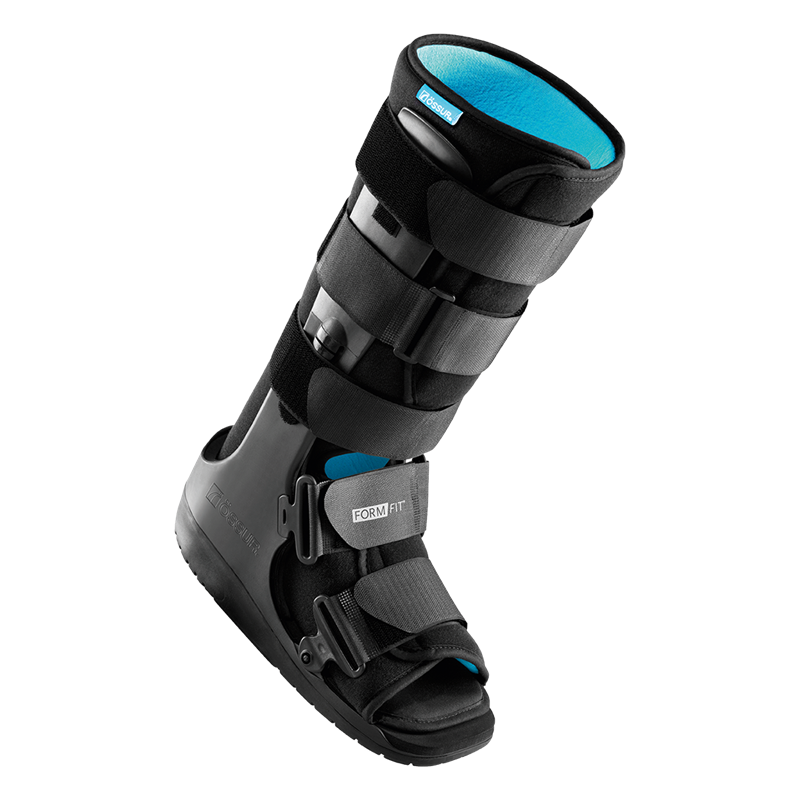
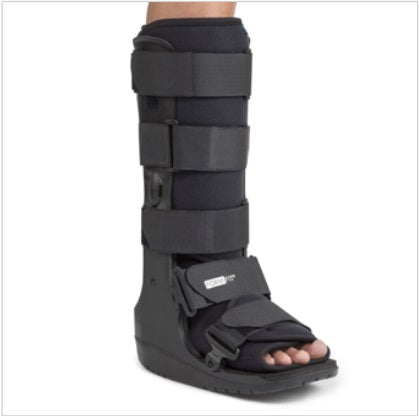
Tall (high-top) boot
Better ankle control and reduced unwanted motion
Achilles rupture/repair or significant Achilles injury
Tall boot (often with wedges)
Helps protect tendon healing position (when directed by a clinician)
Foot-only injury below the ankle (metatarsal, toe, midfoot)
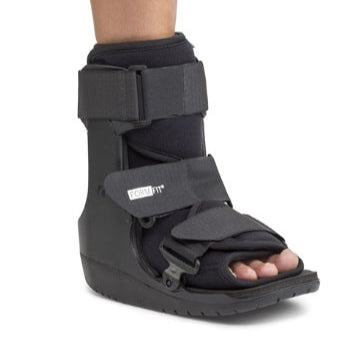
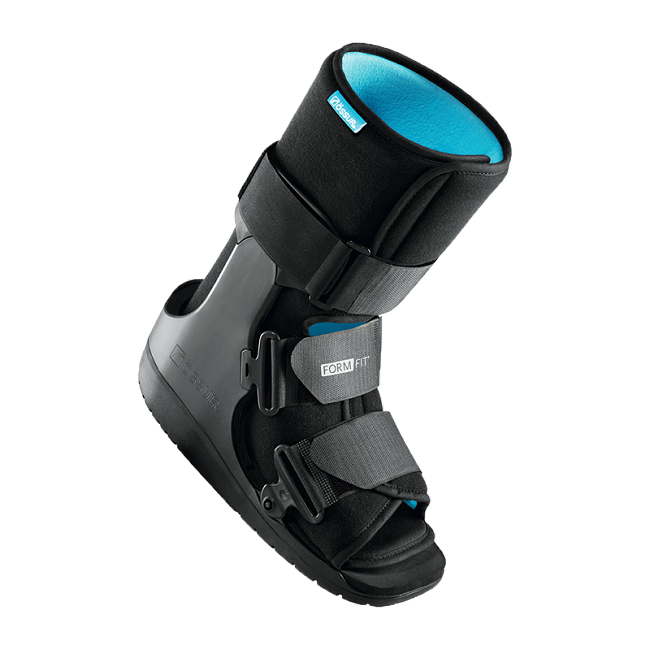
Short (low-top) boot
Immobilizes the foot with easier daily movement
Quick decision: If the injury involves the ankle joint or Achilles, go tall. If it’s foot-only and the ankle is stable, a short orthopedic boot is often enough.
Sizing Tips (Important)
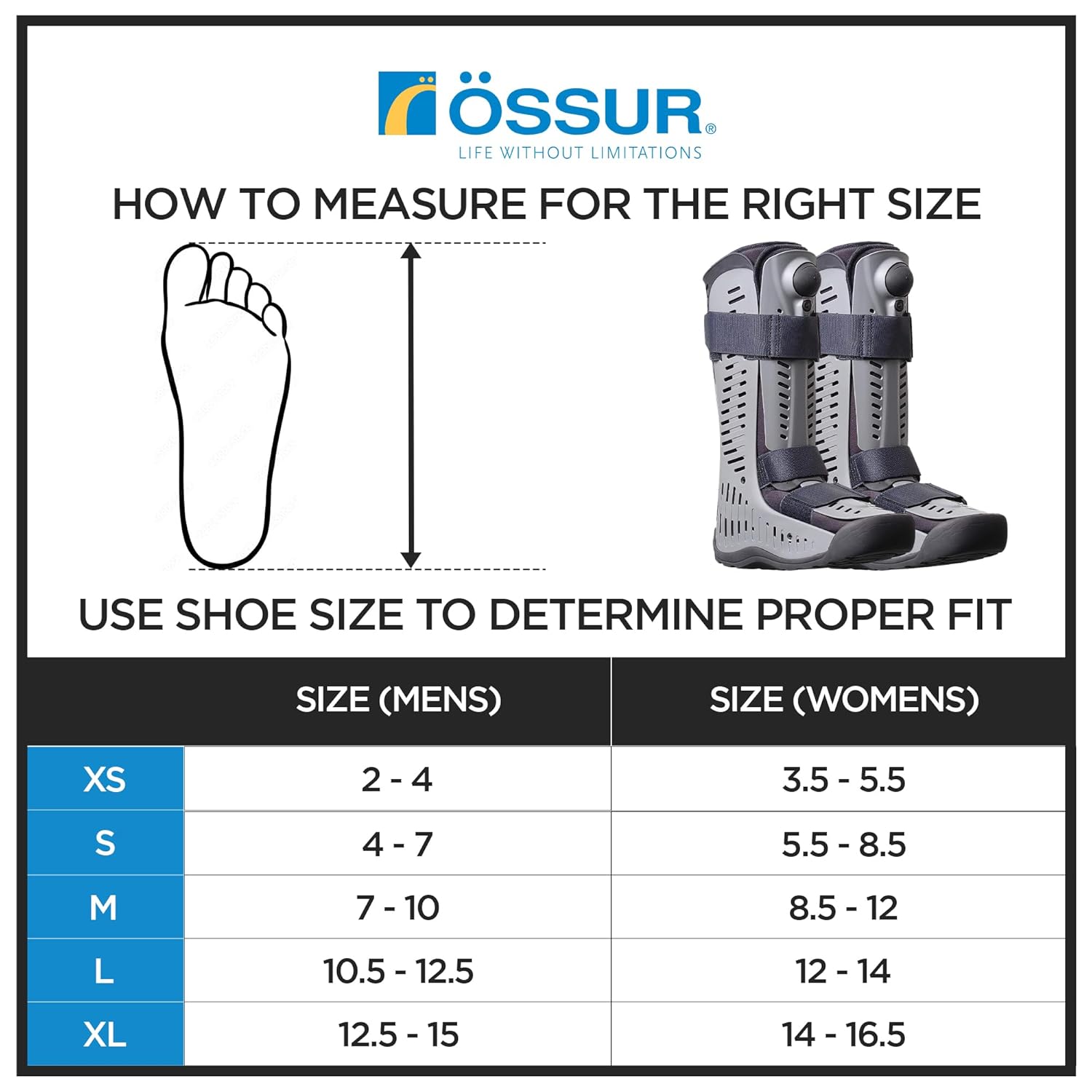
Most medical walking boots come in size ranges (example: Small = Women’s 5–7 / Men’s 4–6), not single shoe sizes.
If you’re at the low end of a size range, the boot may feel roomier.
If you’re at the high end, the fit will feel snugger.
Air boots can fine-tune fit with inflation; non-air boots rely more on straps and correct sizing.
Always confirm fit using the manufacturer’s sizing chart for the specific model you choose.
When a Custom Fiberglass Cast May Be Better Than a Boot
A walking boot is removable, which is a benefit—but in some cases, your clinician may prefer a traditional fiberglass cast.
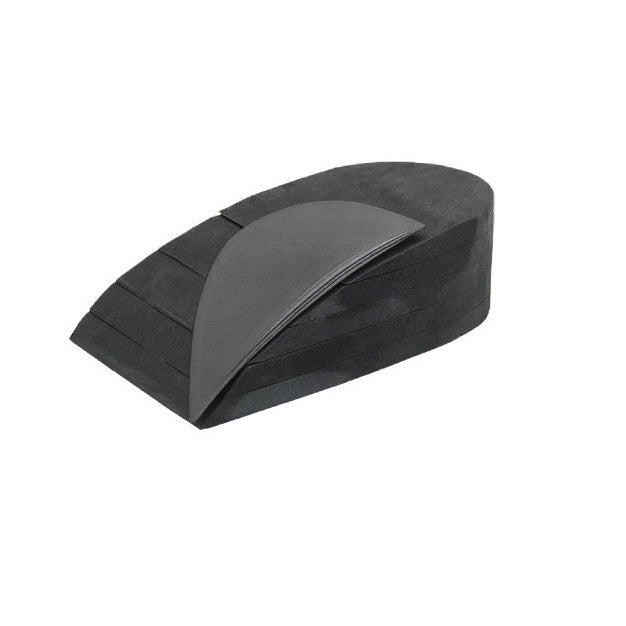
For Achilles protocols that require heel lift, consider the Ossur Rebound Achilles Wedge Kit (used to support Achilles positioning when directed by a clinician).
Custom fiberglass casts should only be applied by trained medical professionals or under direct medical supervision. Always follow your clinician’s instructions for immobilization and weight-bearing.
Why Buy Your Medical Boot From OrthoTape?
Trusted brands and clinically-used orthopedic products
Air and non-air cast boot options in tall and short heights
Clear guidance to help you choose the right walking boot
Fast shipping when you need support quickly
Accessories available (wedges, cast supplies, and cast heels)
Shop the walking boots above. If you’re unsure which boot is appropriate for your injury (broken foot, fractured foot, or twisted ankle), consult your healthcare provider.
Cast Boot / Walking Boot FAQ
Is a cast boot the same as a CAM walking boot? Yes. Cast boot, castboot, CAM walking boot, orthopedic boot, medical walking boot, and fracture boot are commonly used interchangeably.
Do I need air (pneumatic) or non-air? Air boots are often better when swelling changes. Non-air boots are best when swelling is stable and you want simplicity.
Should I choose a tall or short boot? Tall boots are typically for ankle/Achilles injuries. Short boots are typically for foot-only injuries below the ankle.
Why does my boot feel roomy? Many boots use size ranges. If you’re at the lower end of a range, the boot can feel larger.
Can I walk in a boot? Only if your clinician has approved weight-bearing. Follow medical guidance for safety.