Walking Cast Heel vs Walking Boot: Why Some Providers Still Prefer a Cast
Walking boots are common, but they are not always the best answer. In some cases, the treating provider may want the patient to remain in a short leg cast while still allowing limited or protected walking. That is where a walking cast heel can be useful.
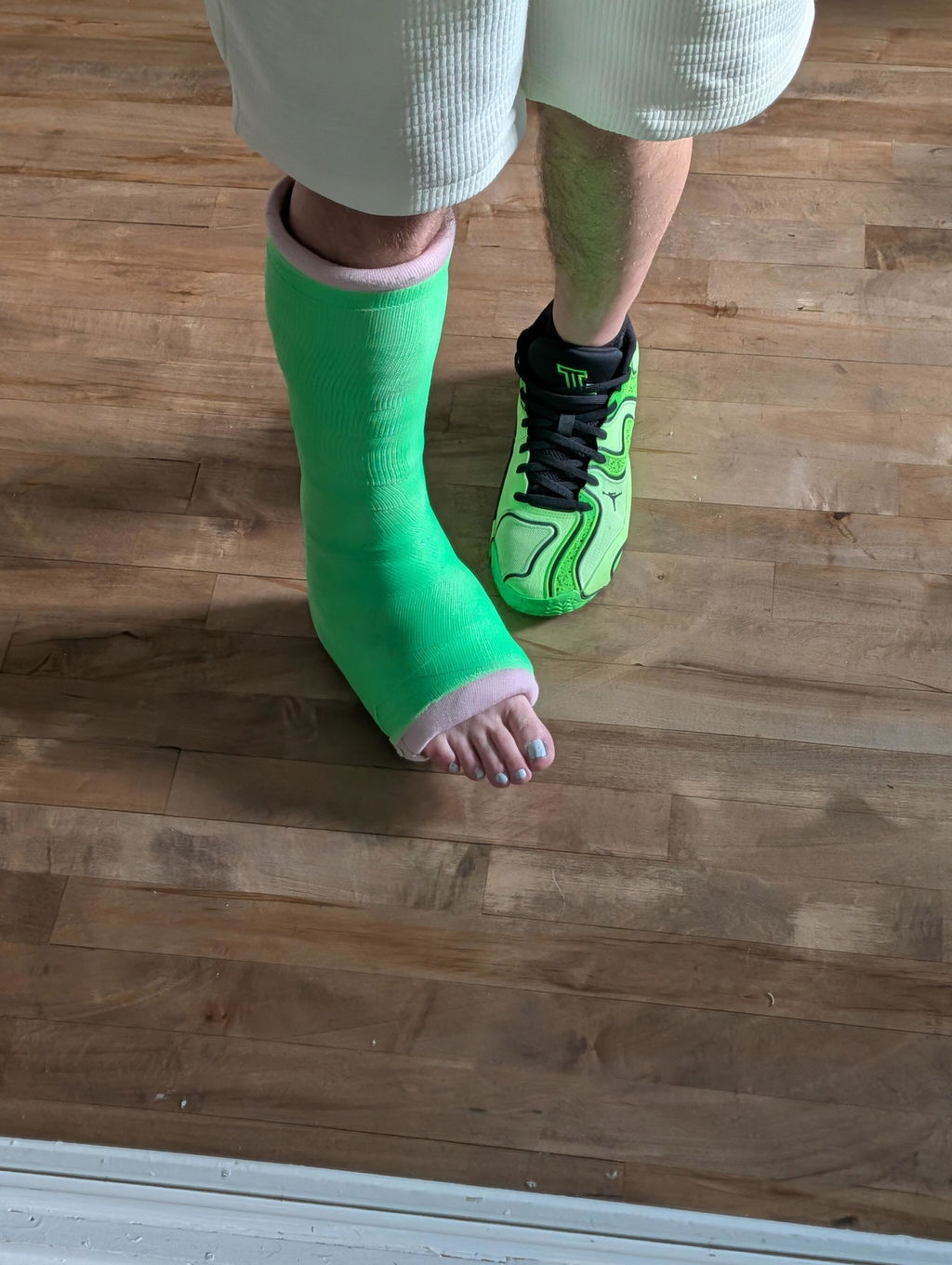
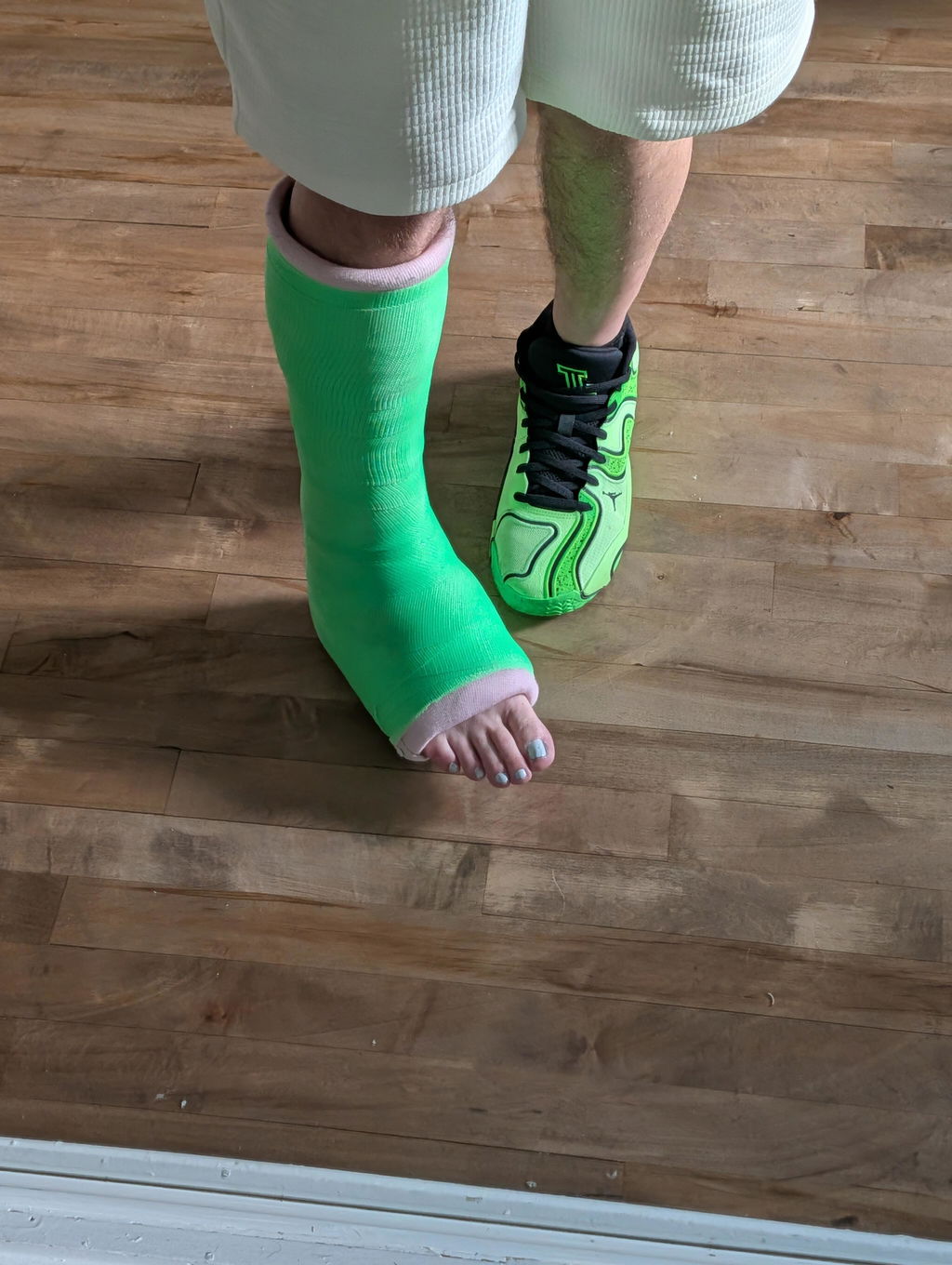
A walking cast heel attaches to the bottom of a short leg cast to help protect the cast and provide a walking surface when weight-bearing has been approved. It does not replace medical instructions, and it does not make every cast safe to walk on.
Key point: A walking cast heel does not turn every cast into a walking cast. It helps support and protect a cast that has already been applied and approved for weight-bearing by the treating provider.
What Is a Walking Cast Heel?
A walking cast heel is an orthopedic casting accessory used with certain short leg casts. It is typically positioned on the bottom of the cast to create a raised walking surface. This helps reduce direct wear on the fiberglass or plaster and may improve traction compared with walking directly on the cast material.
Walking cast heels are used in clinical settings when the provider wants the patient to stay in a cast but still allows some level of protected weight-bearing. They are commonly associated with short leg walking casts, not long leg casts or casts that are ordered as non-weight-bearing.
For orthopedic offices, urgent care clinics, podiatry practices, emergency departments, and cast rooms, walking cast heels remain a practical option because they support the provider's treatment plan without converting the patient to a removable boot.
Why Not Just Use a Walking Boot?
A walking boot can be useful. It is removable, adjustable, and often easier to apply than a cast. For some injuries, a boot is exactly what the provider wants.
But the same features that make a boot convenient can also make it less controlled. A patient can remove it. The straps can be left loose. The liner can shift. The boot may be worn inconsistently. If the injury needs more continuous immobilization, those variables matter.
A cast with a walking cast heel works differently. The cast remains the primary immobilization device. The heel simply gives the cast a protected walking surface when the provider has already allowed weight-bearing.
Why Some Providers Prefer a Walking Cast Heel
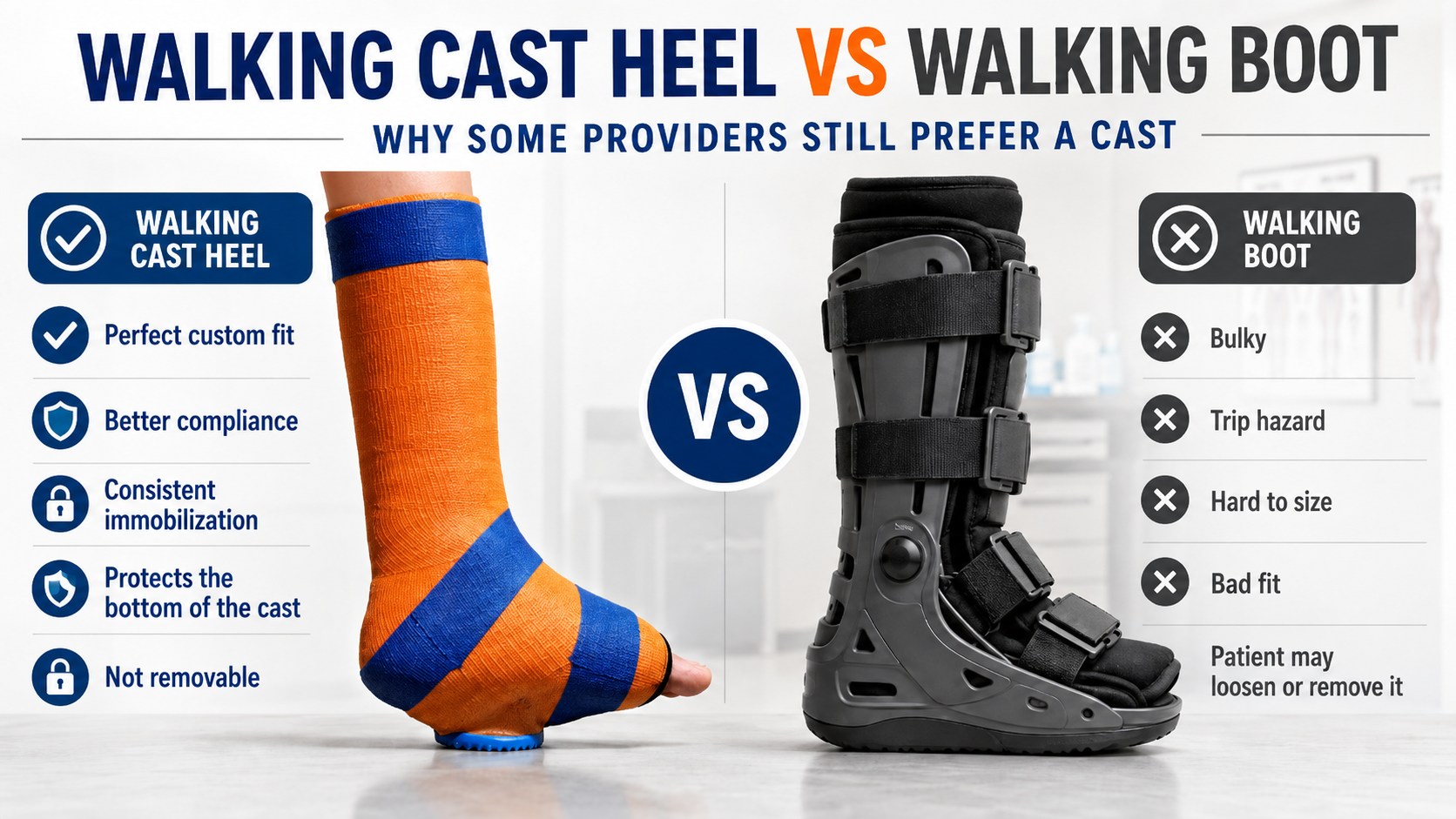
1. Better compliance
A cast is not removable by the patient under normal use. That can be a major advantage when compliance is important. With a boot, the patient may take it off too often, wear it incorrectly, or walk without it. A cast reduces that risk because the immobilization stays in place.
2. More consistent immobilization
A properly applied fiberglass cast is custom-molded around the patient's limb. Once applied, it provides continuous support. A walking boot can also provide support, but its effectiveness depends on sizing, strap tension, liner position, and patient behavior.
3. Less patient adjustment
Patients often adjust boots. Some loosen the straps because the boot feels tight. Some remove the boot to sleep, shower, drive, or rest, even when they were instructed to keep it on. A cast limits that kind of self-adjustment.
4. Lower profile than many walking boots
A short leg cast with a walking heel is often less bulky than a CAM boot. That may make sitting, moving around the house, wearing loose clothing, and transferring in and out of chairs easier for some patients.
5. Protects the bottom of the cast
Walking directly on cast material can damage the cast, especially if the patient is on rough surfaces, wet surfaces, dirt, sand, or pavement. A walking cast heel helps keep the cast material off the ground and gives the patient a defined contact point for approved walking.
Walking Cast Heel vs Walking Boot
| Feature | Walking Cast Heel | Walking Boot |
|---|---|---|
| Primary purpose | Allows a short leg cast to remain in place while adding a protected walking surface | Provides removable support and immobilization for the foot, ankle, or lower leg |
| Patient removable | No | Yes |
| Compliance control | Higher, because the cast stays on | Depends on whether the patient wears the boot correctly and consistently |
| Immobilization consistency | Continuous cast immobilization | Depends on fit, straps, liner position, and wear time |
| Bulk | Usually lower profile than a CAM boot | Usually bulkier |
| Skin or wound access | Limited because the cast is not removable | Easier because the boot can be removed when allowed |
| Best use case | Provider wants protected walking while keeping the patient in a cast | Provider wants removable immobilization, easier inspection, or adjustable support |
When a Walking Cast Heel May Be the Better Option
A walking cast heel may be preferred when the provider wants the patient to remain in a cast, but the patient is allowed to bear weight. This can be useful when the treatment plan depends on consistent immobilization and the provider does not want the patient removing the device throughout the day.
Common reasons a provider may choose a walking cast with a cast heel instead of a walking boot include:
- The patient needs continuous immobilization.
- The provider is concerned the patient may remove a boot too often.
- The injury needs more controlled protection than a removable device provides.
- The cast has already been applied and the provider wants to add a protected walking surface.
- The clinical setting regularly applies short leg walking casts.
In that situation, the walking cast heel supports the cast plan instead of replacing it. The cast remains the structure that controls motion. The heel helps make approved walking more practical.
When a Walking Boot May Be Better
A walking boot may be the better option when removability is part of the treatment plan. That includes situations where the provider wants easier access for skin checks, wound care, swelling changes, hygiene, or gradual transition into motion and rehabilitation.
A boot may also be preferred when the patient needs a device that can be removed under specific instructions, such as during wound inspection or certain therapy protocols. The right choice depends on the injury, stability, swelling, skin condition, weight-bearing status, and the provider's treatment goals.
Balanced takeaway: A boot is useful when removability is part of the plan. A walking cast heel is useful when the provider wants the patient to remain in a cast while allowing controlled weight-bearing.
Can You Walk on Any Cast?
No. Patients should not decide on their own to walk on a cast. Some casts are not designed to bear weight, and putting weight on an injury too early can create problems with healing or alignment.
The American Academy of Orthopaedic Surgeons notes that patients should not walk on a walking cast until it is completely dry and hard. Fiberglass casts may harden faster than plaster casts, but the timing still depends on the cast material and provider instructions. MedlinePlus also advises patients not to walk on a cast unless the provider says it is OK.
Patients should contact their provider if they have increasing pain, numbness, tingling, swelling, drainage, odor, broken cast material, a wet cast, or pressure areas. A walking cast heel is not a substitute for medical evaluation or cast repair.
Products Used With a Short Leg Walking Cast
A walking cast heel is only one part of a short leg walking cast setup. Depending on the provider's casting protocol, the cast may also involve stockinette, padding, fiberglass casting tape, and other cast-room supplies.
Walking Cast Heels
Used to help protect the bottom of a short leg walking cast and provide a defined walking surface when weight-bearing is approved.
Fiberglass Casting Tape
Used to create lightweight, durable orthopedic casts for clinical casting applications.
Waterproof Cast Products
Used in approved waterproof casting applications when the provider chooses a waterproof cast liner system.
Cast Education
Compare casts and walking boots, and learn when a provider may choose one option over the other.
How Providers Commonly Approach the Decision
The decision is not simply "cast or boot." The provider is usually deciding how much immobilization, access, protection, and patient control are appropriate for the injury.
- Confirm the diagnosis and stability of the injury. The provider determines whether the injury can tolerate any weight-bearing.
- Choose the immobilization method. The provider may select a cast, boot, splint, brace, or another treatment option.
- Decide whether removability is helpful or risky. If consistent immobilization is more important, a cast may be preferred. If access and adjustability are more important, a boot may be preferred.
- Add the correct walking surface if weight-bearing is allowed. For a short leg walking cast, that may include a walking cast heel or cast shoe.
- Give clear patient instructions. The patient should understand weight-bearing limits, cast care, warning signs, and when to call the provider.
Final Takeaway
A walking boot is convenient, but convenience is not always the main goal. When the provider wants continuous immobilization and better compliance, a short leg cast with a walking cast heel may be the better option.
The walking cast heel allows the cast to remain the primary support while adding a practical walking surface for approved weight-bearing. That makes it a useful cast-room accessory for clinics, orthopedic offices, podiatry practices, urgent care centers, and medical professionals who still rely on short leg walking casts.
Need walking cast supplies? OrthoTape carries walking cast heels, fiberglass casting tape, waterproof cast products, and related orthopedic casting supplies for clinics, cast rooms, and medical professionals.
Frequently Asked Questions
Can you walk on a cast?
Only if your treating provider says it is safe. Not every cast is designed for walking, and some injuries must remain non-weight-bearing. Patients should follow the specific weight-bearing instructions given by their provider.
What is a walking cast heel?
A walking cast heel is an orthopedic accessory attached to the bottom of certain short leg casts. It helps protect the cast and provides a walking surface when the cast has been approved for weight-bearing.
Is a walking cast heel better than a walking boot?
It can be better when the provider wants the patient to remain in a non-removable cast for better compliance and more consistent immobilization. A walking boot may be better when the provider wants removability, adjustability, wound access, or easier skin checks.
Why would a provider use a walking cast heel instead of a walking boot?
A provider may prefer a walking cast heel when they want controlled weight-bearing while keeping the patient in a cast. This can reduce the risk of the patient removing or loosening a boot and may provide more consistent immobilization.
Does a walking cast heel make any cast safe to walk on?
No. A walking cast heel should only be used when the cast has been applied for weight-bearing and the provider has approved walking. It does not make a non-weight-bearing cast safe to walk on.
When is a walking boot a better option?
A walking boot may be better when the provider needs removable support, swelling control, wound inspection, hygiene access, or progressive rehabilitation. The correct choice depends on the injury and treatment plan.
References