Ankle injuries are among the most common orthopedic injuries, affecting athletes, active individuals, and people of all ages. Whether you've suffered a twisted ankle, ligament sprain, or broken ankle, choosing the right treatment product is critical for proper healing and faster recovery. OrthoTape.com offers a comprehensive selection of ankle splints, fracture boots, ankle braces, and casting supplies to support your recovery journey.
Understanding Your Ankle Injury - Sprain vs. Fracture
Ankle Fractures (Broken Ankle)
An ankle fracture occurs when one or more bones in the ankle joint break, typically the tibia (shinbone) or fibula (outer leg bone). Ankle fractures result from extreme twisting, falls, car accidents, or high-impact sports injuries.
Common Causes: Vicious falls, car accidents, rolling the ankle inward or outward, extreme flexion or extension, poor bone health (calcium/vitamin D deficiency)
Symptoms: Severe pain and swelling, tenderness, inability to bear weight, visible deformity, bruising, numbness, possible bone protrusion through skin
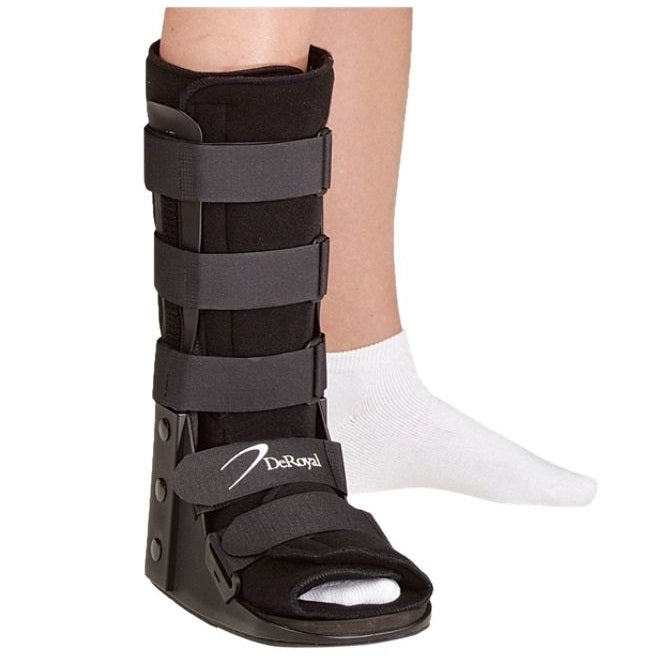
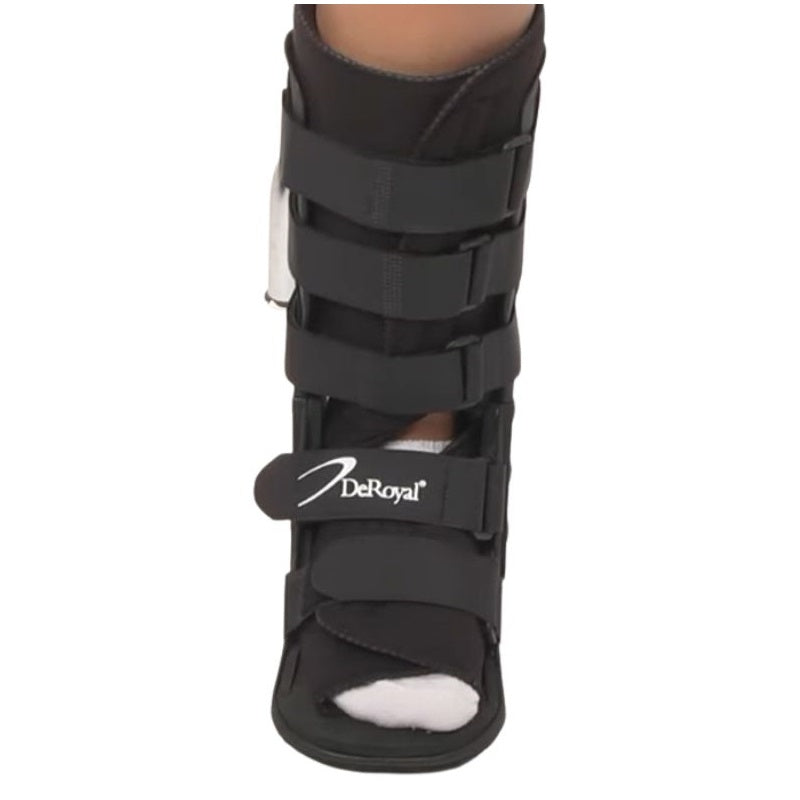
Treatment Options: Fiberglass casting for immobilization, ankle splint kits for initial stabilization, CAM walker boots for post-cast transition, surgical intervention (ORIF) for displaced fractures
Ankle Sprains (Ligament Injuries)
An ankle sprain occurs when the tough ligaments surrounding the ankle joint stretch, tear, or completely rupture. Sprains happen when you awkwardly twist your foot, causing ligament damage that prevents normal walking and ankle stability.
Symptoms: Ankle stiffness, pain and discomfort, swelling, inability to bear weight on the affected joint
Grade 3 (Severe): Complete ligament tear or avulsion, significant unbearable pain, major instability
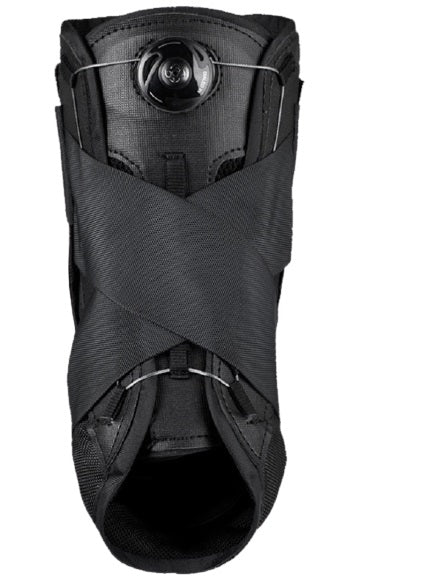
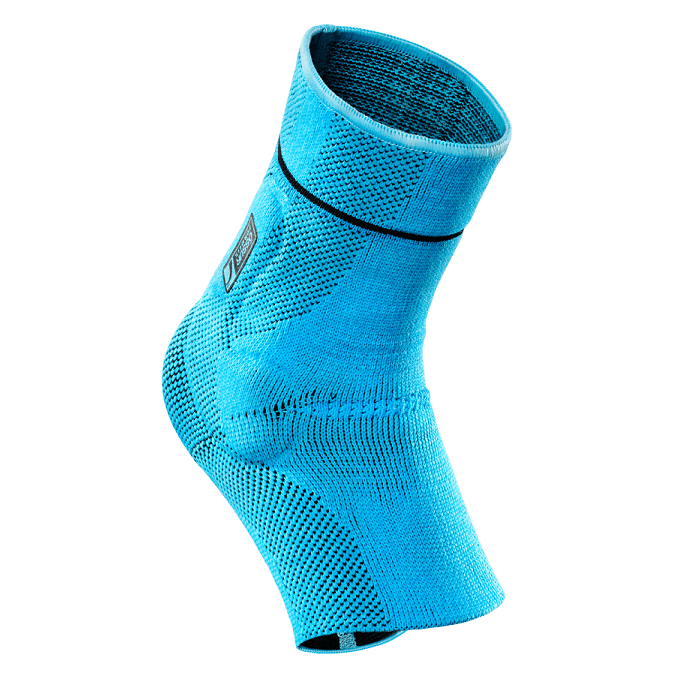
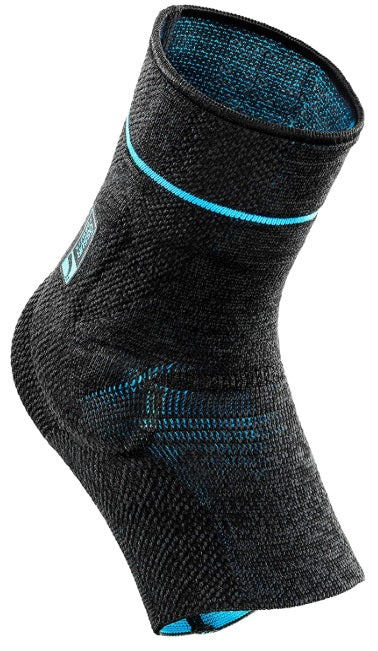
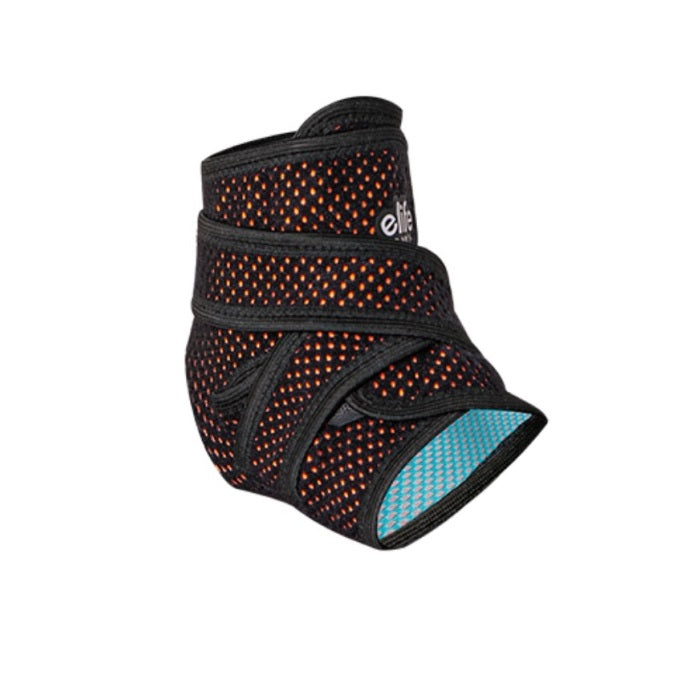
Treatment Options: Ankle braces for support and compression, ankle splints for Grade 2-3 sprains, pneumatic air boots for adjustable compression, physical therapy and rehabilitation
Choosing the Right Ankle Treatment Product
Ankle Splint Kits - For Acute Fractures & Severe Sprains
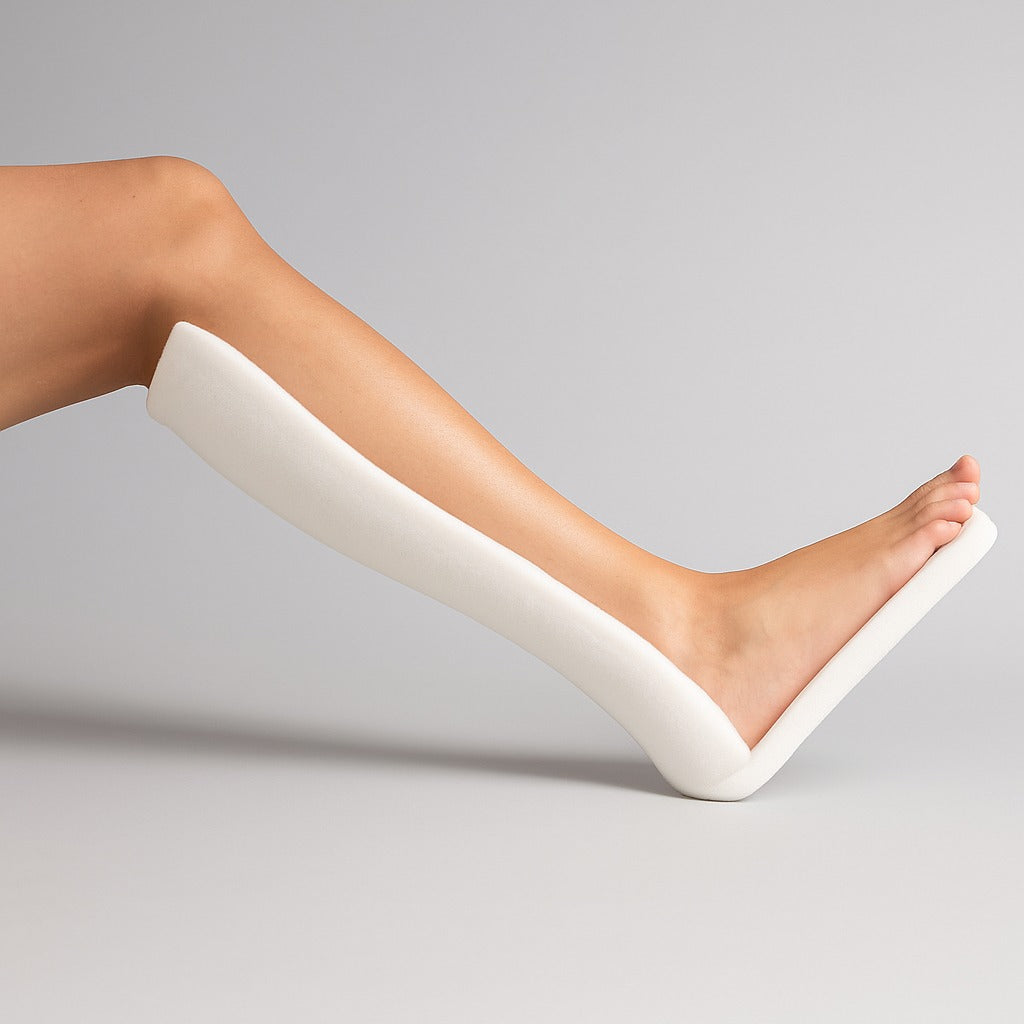
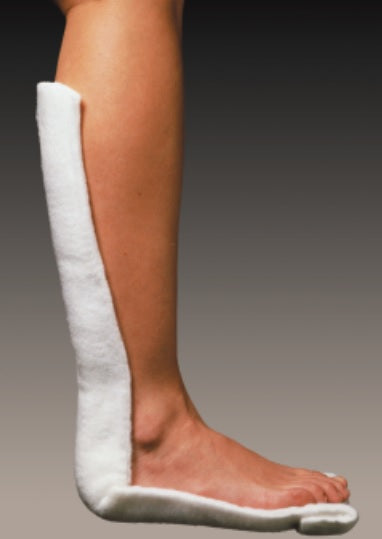
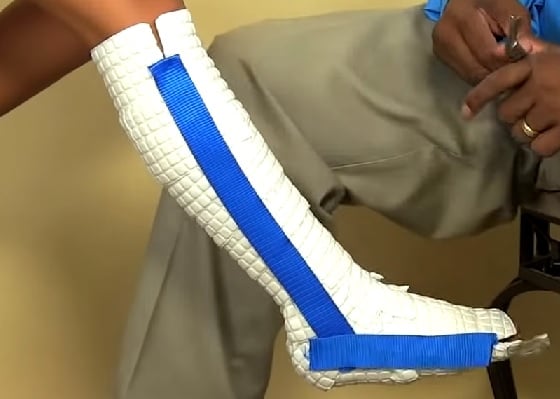
Posterior Ankle Splints: Applied to the back of the leg, maintaining the ankle at 90 degrees to prevent plantarflexion and dorsiflexion. Ideal for severe ankle sprains, ankle fractures, distal tibia/fibula fractures, and Achilles tendon injuries. Quick-setting fiberglass hardens in 5-7 minutes with pre-padded design.
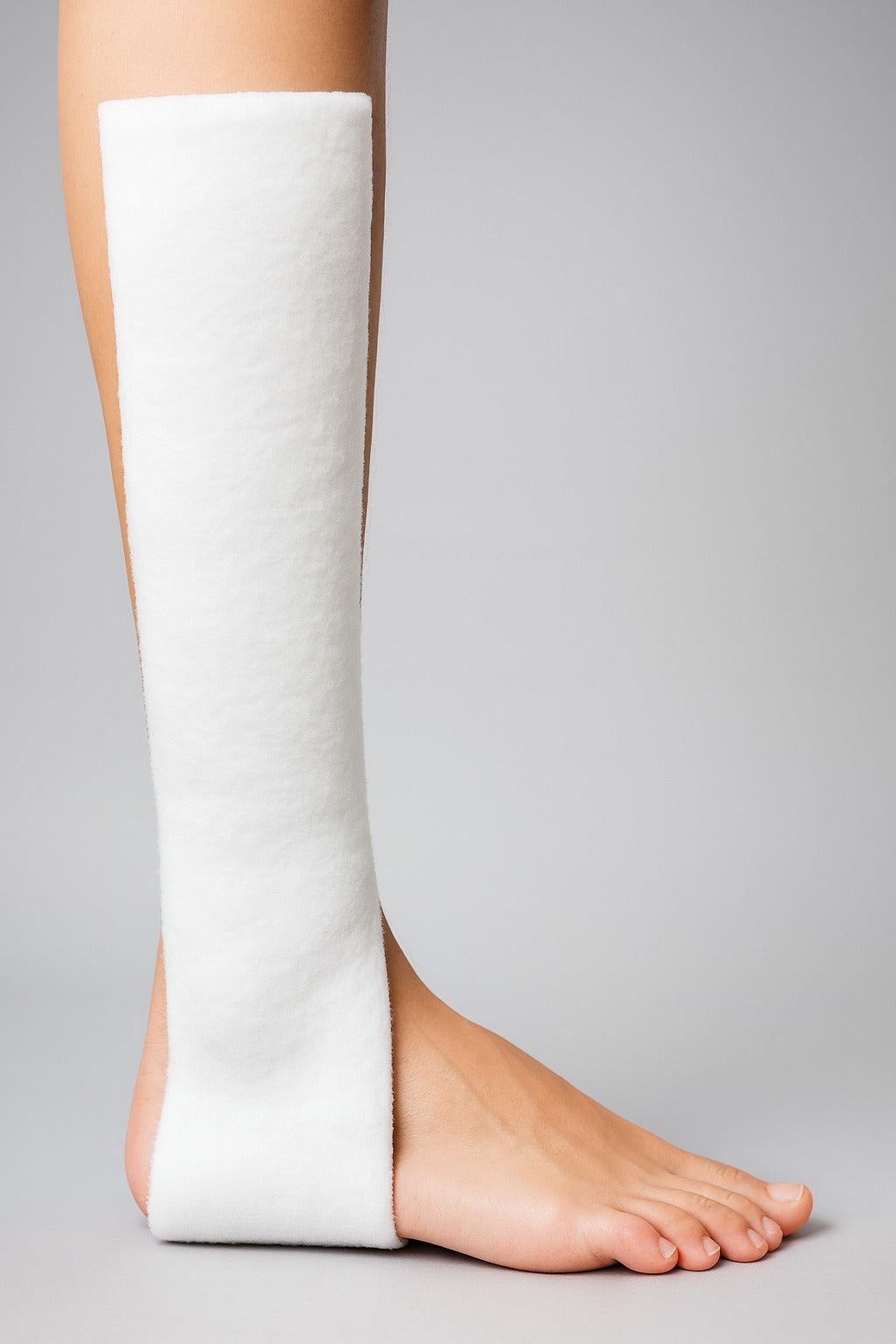
Stirrup Ankle Splints: U-shaped design that wraps around the sides of the ankle like a stirrup, preventing harmful inversion and eversion (side-to-side movement). Perfect for lateral and medial ankle sprains, shin splints, and hairline fractures. Often combined with posterior splints for maximum immobilization.
When to Use: Emergency treatment, initial fracture stabilization, severe Grade 2-3 sprains, post-operative immobilization, alternative to casting
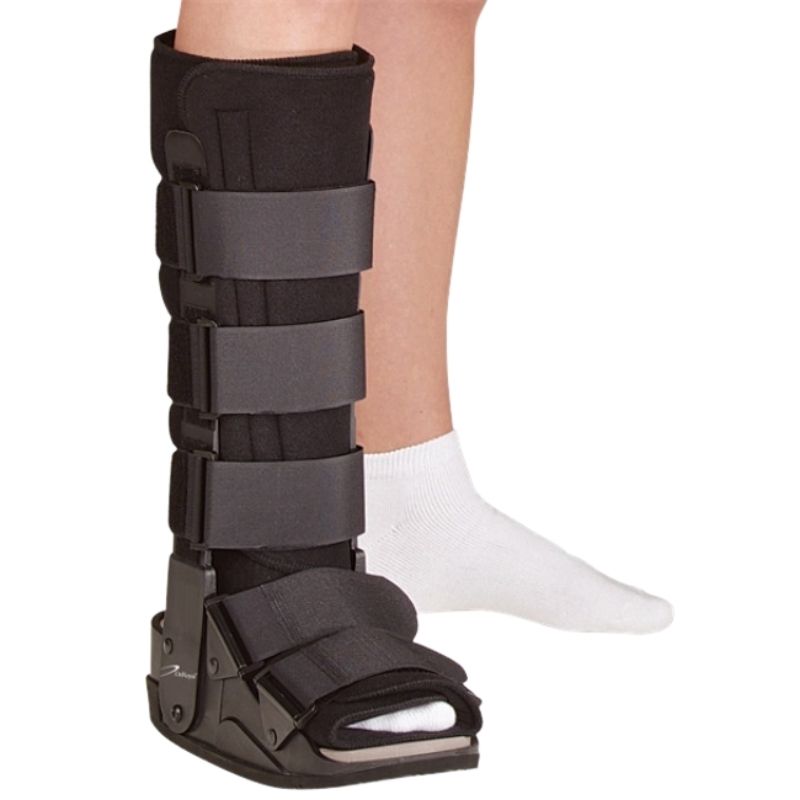
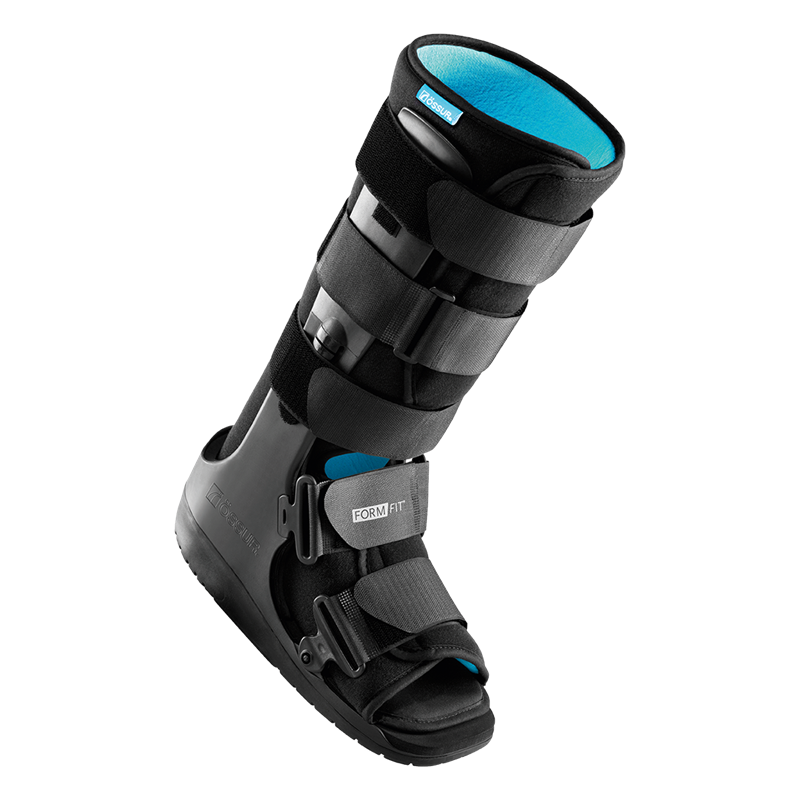
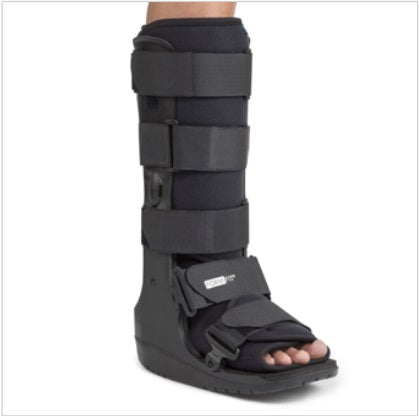
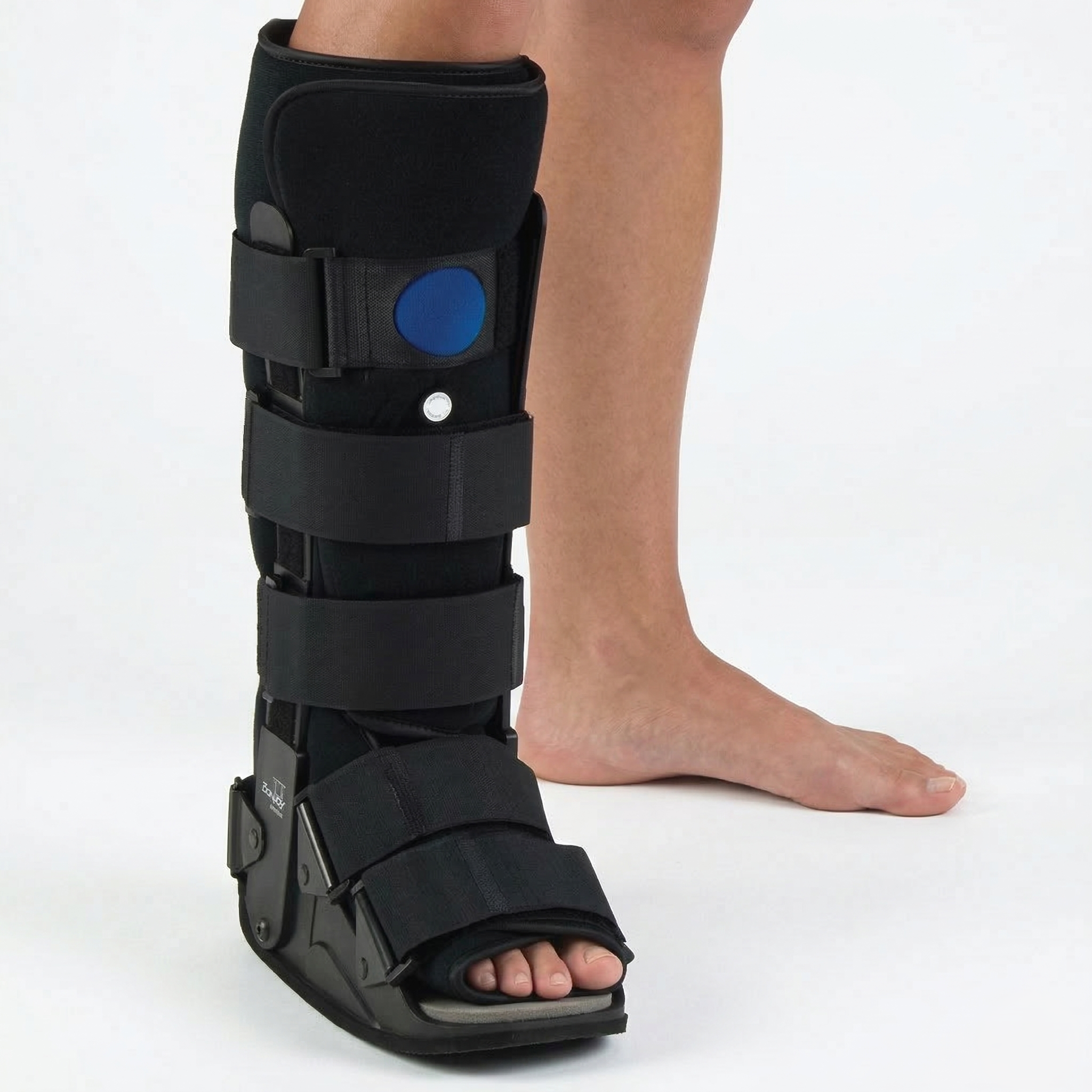
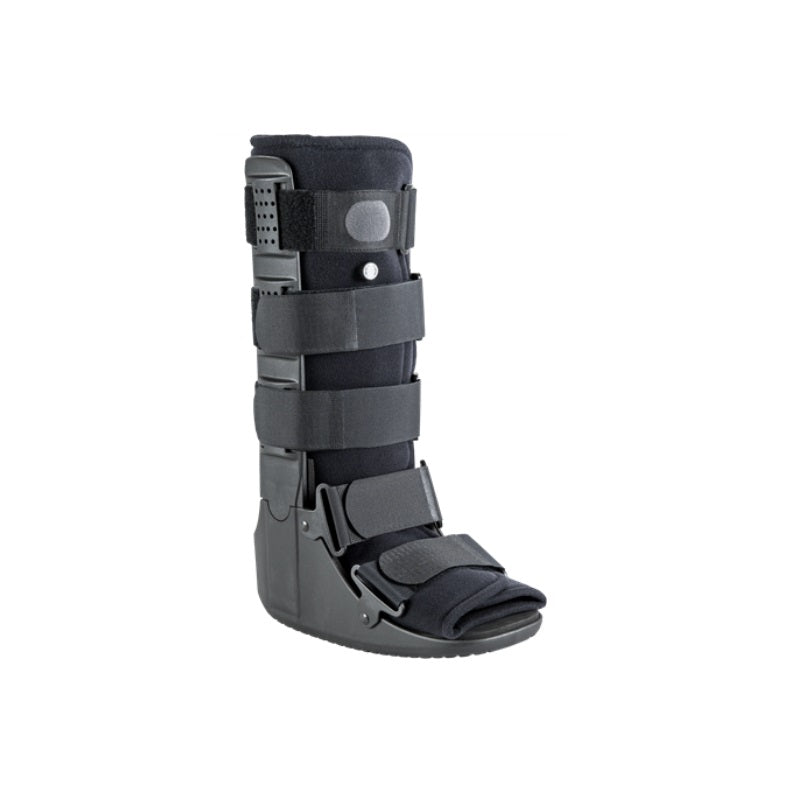
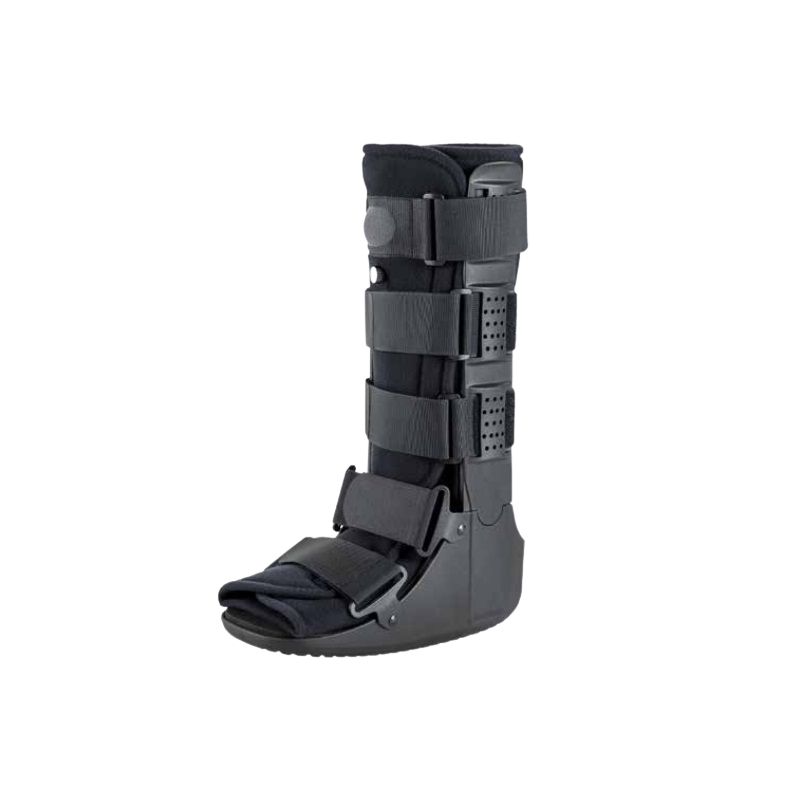
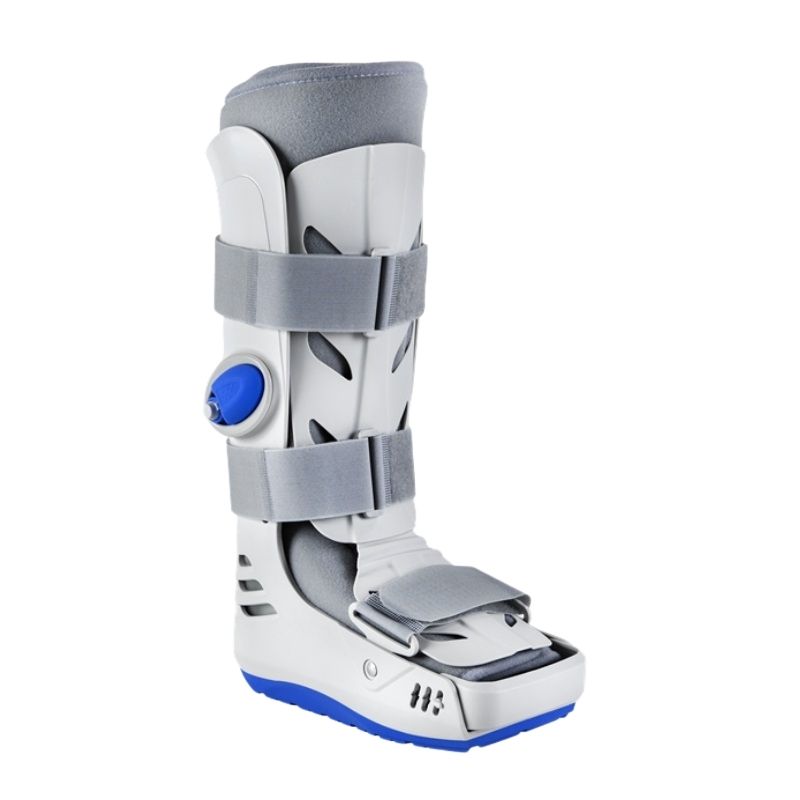
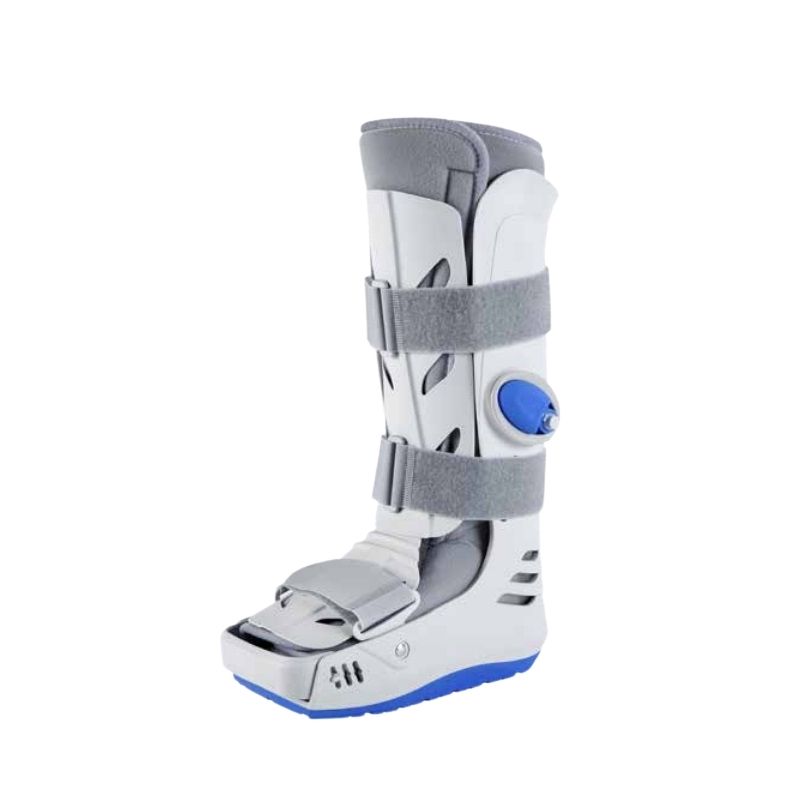
CAM Walker Boots - For Fractures, Sprains & Post-Op Recovery
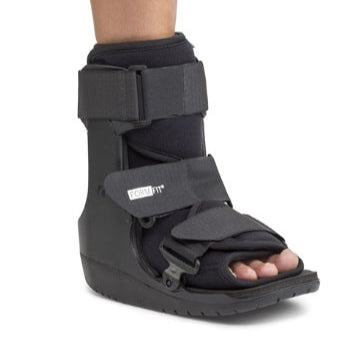
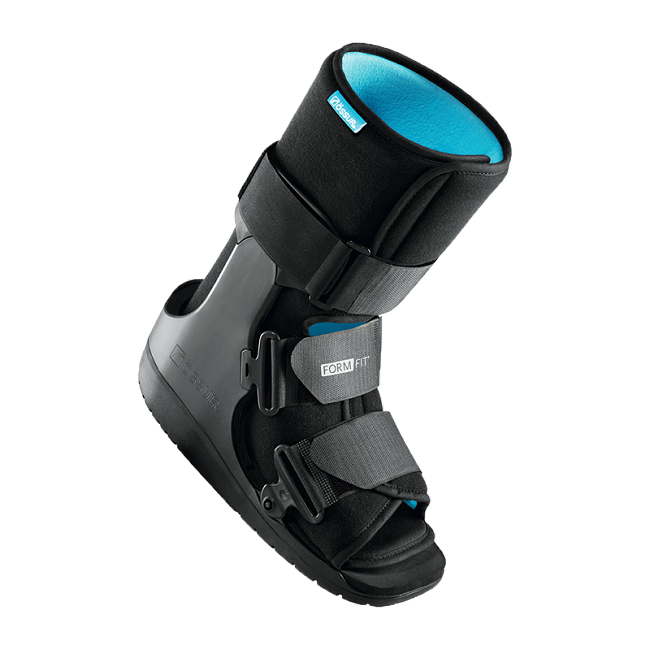
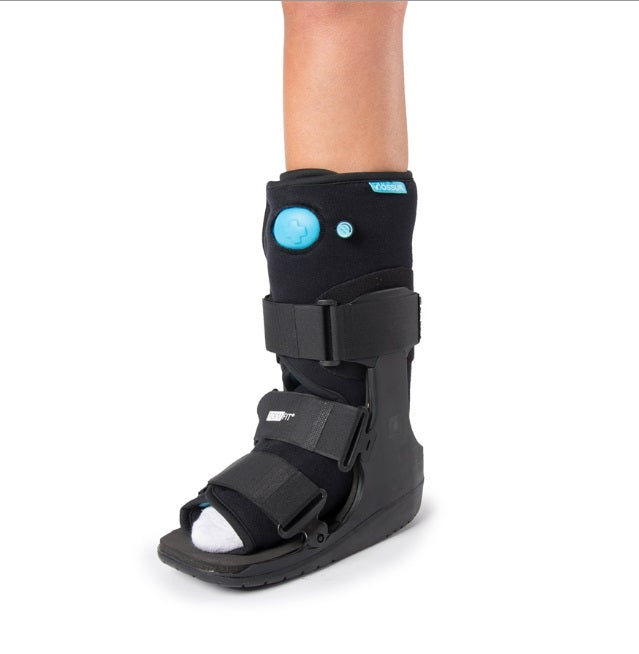
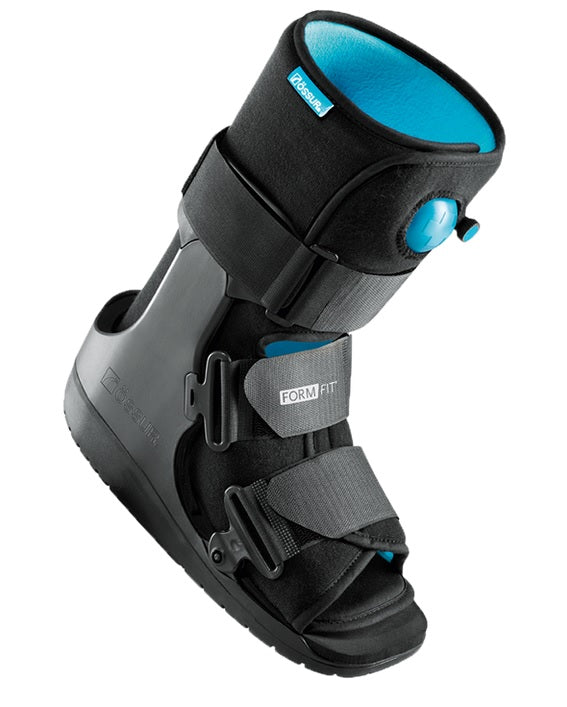
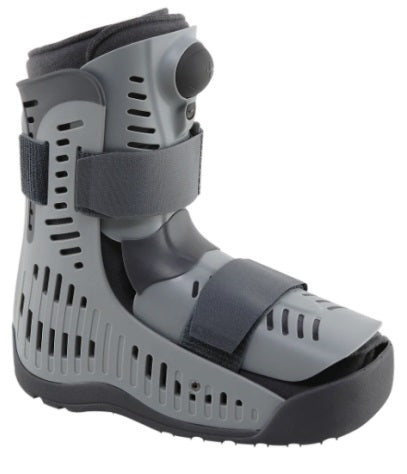
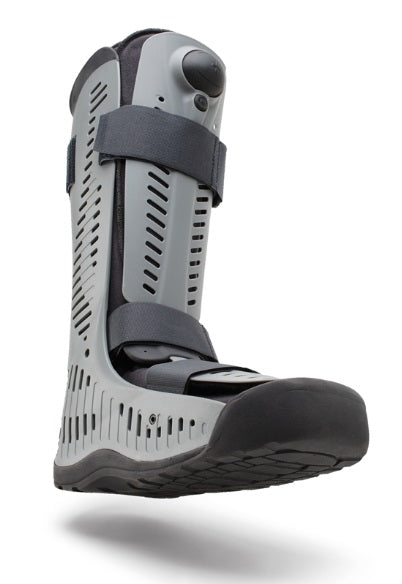
Short (Low Top) CAM Boots: Extend to just above the ankle, providing targeted foot and ankle immobilization while allowing calf freedom. Best for ankle fractures, foot fractures, severe ankle sprains, and post-operative recovery when ankle support is primary concern.
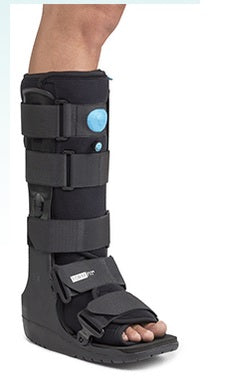
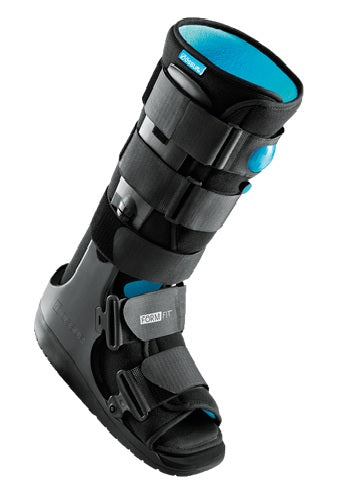
Pneumatic (Air) vs. Non-Pneumatic: Air boots feature inflatable bladders for adjustable compression to accommodate fluctuating swelling. Non-air boots use foam padding for simplicity and economy when swelling is minimal or stable.
Ankle Braces - For Mild-Moderate Sprains & Prevention
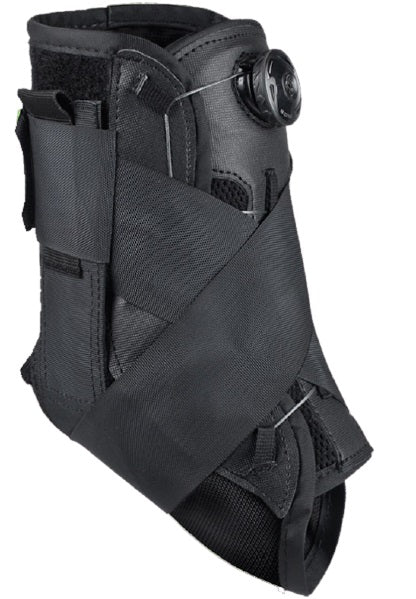
Ankle braces provide compression, support, and stability for mild to moderate ankle sprains (Grade 1-2). They're lighter and more flexible than boots or splints, allowing some controlled movement while preventing re-injury. Ideal for athletes returning to activity, chronic ankle instability, and sprain prevention.
When to Use: Grade 1-2 ankle sprains, post-recovery support, athletic activity, chronic instability prevention
Fiberglass Cast Kits - For Complete Immobilization
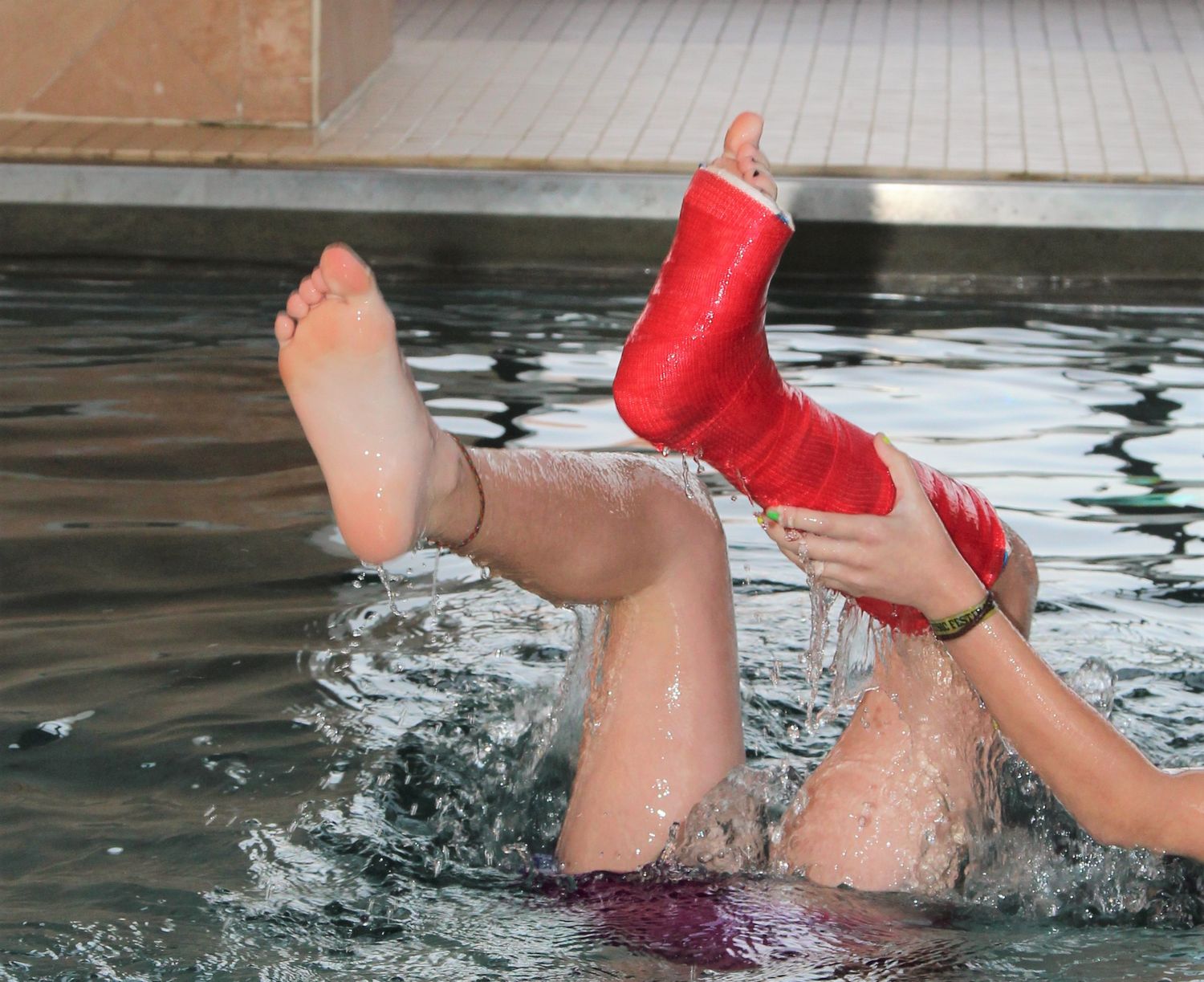
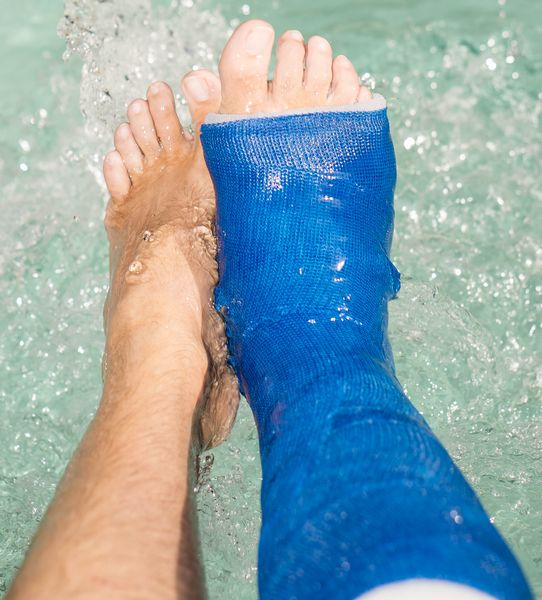
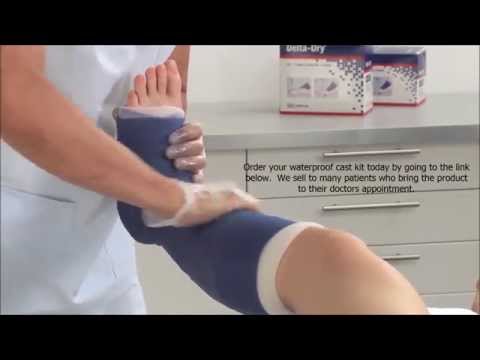
Short Leg Cast Kits: Complete professional-grade kits with fiberglass tape, padding, stockinette, and gloves. Creates a custom-molded cast from below the knee to the toes, immobilizing the ankle at 90 degrees. Can be converted to a walking cast with rubber heel attachment.
Waterproof Cast Options: OrthoH20, AquaCast, and Delta Dry waterproof padding allow showering, bathing, and swimming—keeping casts clean and germ-free unlike traditional padding.
When to Use: Ankle fractures requiring maximum immobilization, distal tibial fractures, severe ankle injuries, post-surgical stabilization, superior patient compliance vs. removable boots
Products: Ankle brace for compression and support, elastic wraps, ice packs
Recovery Time: 1-3 weeks with proper care
Moderate Ankle Sprain (Grade 2)
Immediate Care: RICE protocol, medical evaluation, possible X-ray to rule out fracture
Products: Ankle splint or pneumatic CAM boot for immobilization (4-6 weeks), crutches to avoid weight-bearing initially, transition to ankle brace for support
Recovery Time: 4-8 weeks with gradual return to activity
Severe Ankle Sprain (Grade 3)
Immediate Care: Emergency medical evaluation, imaging to assess complete ligament tear
Products: Ankle splint kit for initial stabilization, CAM walker boot for 6+ weeks, possible surgical intervention for complete tears, physical therapy equipment
Recovery Time: 8-12 weeks, possible surgery for non-healing cases
Non-Surgical (Stable Fractures): Fiberglass short leg cast for 6-8 weeks, transition to CAM walker boot, gradual weight-bearing as healing progresses
Surgical (Displaced Fractures): ORIF surgery with plates/screws, post-operative splint or cast, transition to CAM boot, extended physical therapy
Recovery Time: 6-12 weeks for bone healing, 3-6 months for full recovery
Why Buy Ankle Treatment Products from OrthoTape?
Massive Cost Savings
Emergency rooms and urgent care facilities charge $200-600+ for ankle splints, boots, and casting when billed through insurance. By purchasing directly from OrthoTape, you save $150-400+ per product with wholesale-direct pricing. Many patients buy supplies in advance and bring them to their doctor's appointment for application.
Professional-Grade Quality
We're authorized dealers for Ossur, Ovation Medical, DeRoyal, and other leading orthopedic brands. Our products are the same professional-grade materials—if not better—used by emergency departments, orthopedic clinics, and sports medicine practices nationwide. Full manufacturer warranties included (6-month to 1-year depending on brand).
Fast, Reliable Shipping
Most orders ship same day by 3 PM EST from our warehouses in Ridgeland SC, New Jersey, and California. When you're injured, time matters—we get you the support you need quickly with upgrade shipping options available.
Expert Support & Education
Our team provides video tutorials for proper splint application, sizing guidance, and product selection support. Call 800-580-9887 (M-F 9:30 AM – 5 PM EST) to speak with knowledgeable staff who understand ankle injuries and recovery.
Complete Product Selection
Unlike medical facilities with limited inventory, we stock the full range of ankle treatment products: multiple splint types, boot heights and inflation systems, 16+ cast colors, waterproof options, and accessories. You get choice, not whatever happens to be in stock.
Wear Proper Footwear: Sport-specific shoes with good ankle support, replace worn-out shoes regularly
Strengthen Ankle Muscles: Regular exercises to build stability and proprioception
Proper Warm-Up: Always warm up before exercise or sports to prepare muscles and ligaments
Maintain Bone Health: Diet rich in calcium and vitamin D, avoid smoking (delays healing)
Avoid High Heels: Wear comfortable shoes that fit the natural contour of your feet
Use Ankle Braces: Preventive bracing for high-risk activities or chronic instability
Watch Your Step: Be cautious on uneven surfaces, stairs, and slippery conditions
Frequently Asked Questions
Should I use a splint, boot, or brace for my ankle injury? Fractures and severe sprains (Grade 2-3) typically require splints or CAM boots for immobilization. Mild-moderate sprains (Grade 1-2) can use ankle braces. Always consult your doctor for proper diagnosis and treatment recommendations.
Can I walk on a broken ankle? Never walk on a suspected ankle fracture without medical clearance. Walking on a broken ankle can cause displacement, delayed healing, or permanent damage. Use crutches and immobilization until your doctor confirms it's safe to bear weight.
How long do I need to wear an ankle boot or splint? Treatment duration varies by injury severity: mild sprains 2-4 weeks, moderate sprains 4-8 weeks, severe sprains 8-12 weeks, fractures 6-12 weeks. Follow your doctor's specific timeline.
What's better for ankle fractures - a cast or a boot? Casts provide superior immobilization and better patient compliance (can't be removed). Boots offer convenience for bathing and sleeping but risk non-compliance. Medical research shows casts often heal fractures faster with fewer complications.
Can I make my ankle cast waterproof? Yes! Use waterproof cast padding (OrthoH20, AquaCast, or Delta Dry) instead of traditional padding to create a fully waterproof cast for showering, bathing, and swimming.
Do CAM boots fit either foot? Yes, most CAM walker boots feature universal fit designs that accommodate either right or left foot.
Will my doctor use materials I bring? Many doctors will apply splints or casts using patient-supplied materials, especially when patients want specific products or colors not stocked by the office. Call ahead to confirm your doctor's policy.
Browse our complete selection of ankle sprain and fracture treatment products above. Whether you need emergency splinting supplies, a CAM walker boot for recovery, or casting materials for immobilization, OrthoTape.com has everything you need for successful ankle injury treatment and rehabilitation.