
Compared to past cast saws, this saw out performs any saw on the market. We are very happy with this saw. Thank you


Description
Soft Leg Cast Kit for Dog or Cat - Materials to make a Veterinary Pet Cast
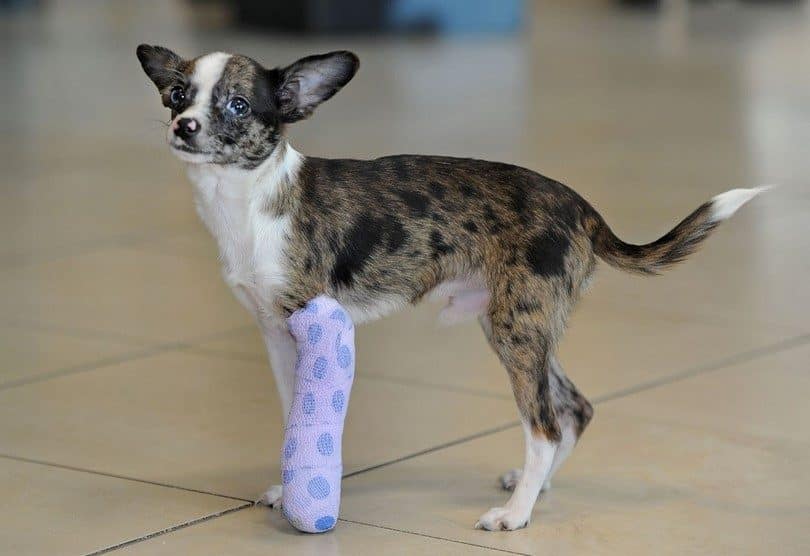
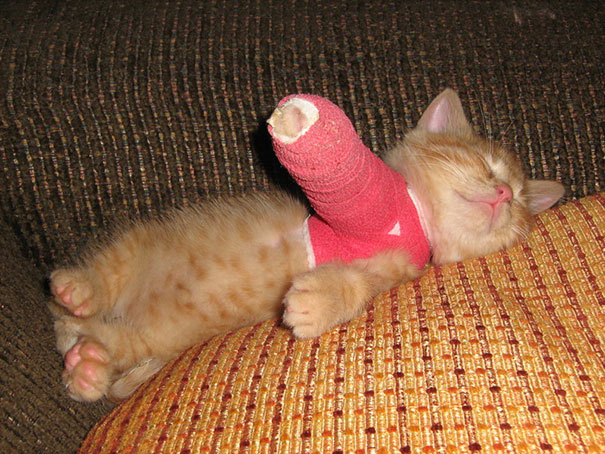
A soft bandage dog or cat leg cast is easy to apply with a little practice. Often this type of soft cast is applied due to minor injuries. You can buy the supplies and have them applied in no time. Ships direct to the patient so you can take it to your Veterinarian. We have 3 different color choices in our soft cast self-adhesive bandage, White, Black, and Hot Pink. This kit includes all the veterinary medical soft self-adhesive cast supplies you need to make a soft cast for a dog or cat. The application should be performed by a trained veterinary technician.
Ships from Ridgeland SC 29936 warehouse

Overview: Splints & Casts for Dogs and Cats
What they do:
Casts and splints are non‑surgical external immobilization devices used to stabilize fractures or support injuries in dogs and cats. Their rigid structure prevents movement of the injured area so bones can heal properly[1][2].
- Fiberglass Hard Leg Cast Kit for Dog or Cat – Emphasize durability, custom molding capability, ideal for long‑term immobilization.
- Soft Bandage Leg Cast Kit for Dog or Cat – Highlight comfort, lightweight padding‑first design, good for early‑stage support and swelling.
Types:
Casts are custom-shaped, close‑fitting devices made using materials like fiberglass, plaster, or thermal plastics. They include layered padding and are molded directly on the limb[2].
Splints are rigid braces applied alongside the limb, often used during early healing when swelling is present, and secured with tape or gauze rather than full encirclement[1][2].
Application & Technique
- Preparation: Sedation or anesthesia is often used to reduce stress and ensure proper limb alignment[1].
- Creating stirrups: Adhesive tape “stirrups” applied to cranial/caudal or medial/lateral surfaces anchor the cast or splint securely[1].
- Padding: Stockinette followed by 1–2 layers of cast padding is wrapped from toes proximal, overlapping ~50%; extra padding covers pressure points[1].
- Applying cast material: Fiberglass or plaster is wrapped distal to proximal, overlapping ~50%, and molded over joints in functional position[2].
- Final securement: Padding and stirrups are turned over cast edges and taped down. Splints are wrapped with gauze and tape[1].
- Monitoring: Patients are observed post-application; check toes regularly for signs of circulatory compromise (cold, swelling, discoloration)[2].
- Ongoing care: Keep the device clean and dry; inspect twice daily for odor, sores, slippage or chewing, and change weekly or sooner if issues arise[1][3].
FAQ: What Pet Owners Ask
- When is casting or splinting appropriate?
- They’re suitable for stable fractures below the elbow or stifle when surgery isn’t feasible. A veterinarian makes the final determination based on injury type, swelling, and patient temperament.[2][5]
- How long does healing take?
- Recovery can span several weeks to months depending on age and severity. Young animals may heal faster while older pets typically take longer.[2]
- How can I prevent complications at home?
-
- Keep the device clean and dry.
- Check circulation daily: toes should remain warm, not swollen or discolored.
- Watch for chewing, odor, slippage or sores.
- Restrict activity: leash walks for dogs, crate rest for cats.[3]
- When should I return to the vet?
- If you notice swelling, cold toes, odor, wet cast, chewing, or shifting. Routine rechecks are recommended every 7–14 days, or sooner if any issues arise.[3]
References:
[1] Ivis.org – “Commonly Used Splinting and Casting Techniques”
[2] WagWalking.com – “Casting and Splinting in Dogs & Cats”
[3] Clinician’s Brief – “How to Apply a Splint in Dogs & Cats”
[5] Today’s Veterinary Practice – “Definitive Treatment of Limb Fractures with Splints or Casts”