
Use this bar to show information about your cookie policy.
Thumb Sprain / Finger Fracture
10 products
Showing 1 - 10 of 10 products
Whether you're dealing with a jammed thumb, a thumb sprain, a hyperextended thumb, or a finger fracture, the right brace or splint makes all the difference in how fast — and how well — you recover. At OrthoTape.com, we carry a curated selection of high-quality thumb braces and splints from authorized brands, chosen specifically for their clinical effectiveness and comfort.
Understanding Your Thumb Injury
🏥 Jammed Thumb
A jammed thumb is one of the most common hand injuries — it happens when a direct impact compresses the thumb joint, injuring the ligaments or cartilage. It's frequently seen in basketball, volleyball, and contact sports. Mild cases resolve in 1–2 weeks with rest and bracing; more significant injuries can take 4–6 weeks or longer.
🏥 Thumb Sprain (Skier's Thumb / Gamekeeper's Thumb)
A thumb sprain typically involves the ulnar collateral ligament (UCL) — the ligament that stabilizes the base of the thumb. When the thumb is forcefully bent backward (hyperextended), the UCL stretches or tears. This is the mechanism behind skier's thumb (acute injury from a fall) and gamekeeper's thumb (chronic UCL stress). Symptoms include pain at the base of the thumb, swelling, bruising, and difficulty pinching or gripping.
🏥 Hyperextended Thumb
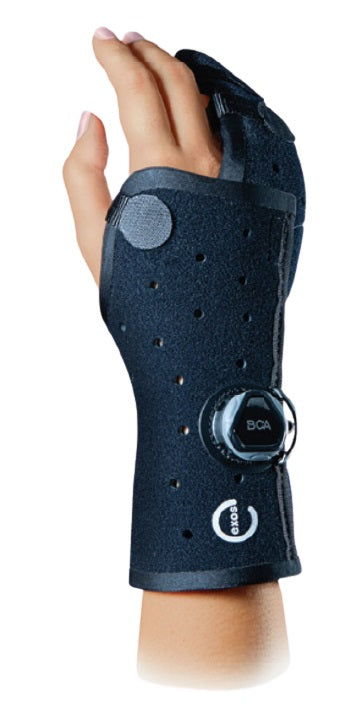
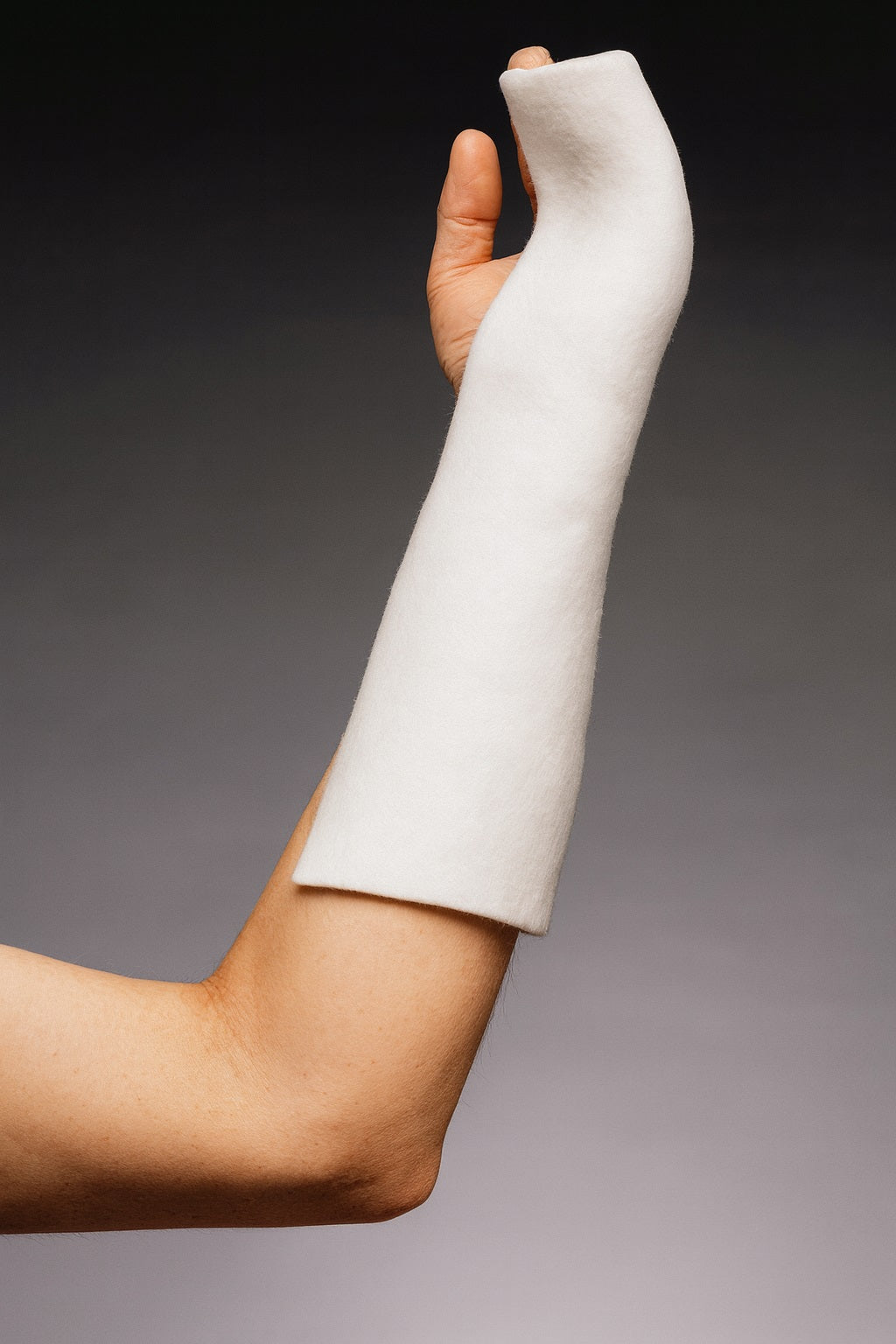
A hyperextended thumb occurs when the thumb is forced beyond its normal range of motion. Even without a fracture, hyperextension can cause significant ligament damage. A thumb spica splint or rigid brace is typically prescribed to immobilize the joint during healing.
🏥 Thumb Fracture
Thumb fractures involve one or more of the three bones of the thumb — the proximal phalanx, distal phalanx, or first metacarpal. The first metacarpal is the most commonly fractured. Visible deformity, severe swelling, and inability to move the thumb are hallmarks. Treatment ranges from a thumb spica cast (closed reduction) to surgical fixation with wires or screws for displaced fractures (Bennett fracture, Rolando fracture).
How to Heal a Sprained or Jammed Thumb Faster
Ice immediately — apply ice or a cold pack for 15–20 minutes every 1–2 hours in the first 48 hours.
Elevate the hand — keep it above heart level to reduce swelling.
Brace consistently — wear a thumb spica splint or brace as directed; consistent immobilization is the #1 factor in recovery speed.
Avoid re-injury — limit activities that stress the thumb until cleared by your physician.
See a doctor — if pain, swelling, or instability persists beyond a few days, get an X-ray to rule out fracture.
A jammed thumb occurs when the tip of the thumb is struck forcefully, compressing the joint and injuring the ligaments or cartilage. Treatment typically involves rest, ice, compression, and elevation (RICE), followed by wearing a thumb brace or splint for 4–6 weeks. Severe cases may require imaging and medical evaluation.
How long does a jammed thumb take to heal?
A mild jammed thumb typically heals in 1–2 weeks with proper rest and bracing. Moderate sprains with ligament involvement may take 4–6 weeks. Severe injuries involving fractures or complete ligament tears can take 3–6 months, especially if surgery is required.
How do you heal a sprained thumb faster?
To heal a sprained thumb faster: apply ice immediately after injury, keep the hand elevated, wear a thumb spica splint or brace consistently, avoid activities that stress the thumb, and follow up with a physician if pain persists beyond a few days. Consistent immobilization is the most important factor in recovery speed.
What is a hyperextended thumb?
A hyperextended thumb occurs when the thumb is bent backward beyond its normal range of motion, stretching or tearing the ulnar collateral ligament (UCL). It is common in skiing (skier's thumb) and contact sports. Treatment ranges from splinting and bracing for mild cases to surgery for complete UCL tears.
How do I know if my thumb is sprained or fractured?
A sprained thumb typically causes pain, swelling, and limited motion but no visible deformity. A fractured thumb often presents with visible deformity, severe swelling, bruising, and inability to move the thumb. An X-ray is the only definitive way to distinguish between the two. Both benefit from early bracing and immobilization.
What is the difference between skier's thumb and gamekeeper's thumb?
Both involve injury to the ulnar collateral ligament (UCL) of the thumb. Skier's thumb is an acute injury caused by a sudden force bending the thumb backward — common in falls during skiing. Gamekeeper's thumb is a chronic condition caused by repeated stress on the UCL over time. Both are treated with thumb bracing and, in severe cases, surgery.