
Fantastic boot! Super comfortable and love the air pump for additional ankle support. I actually put 20k steps on it the other day doing yard work and felt just fine. Highly recommended!
beautiful


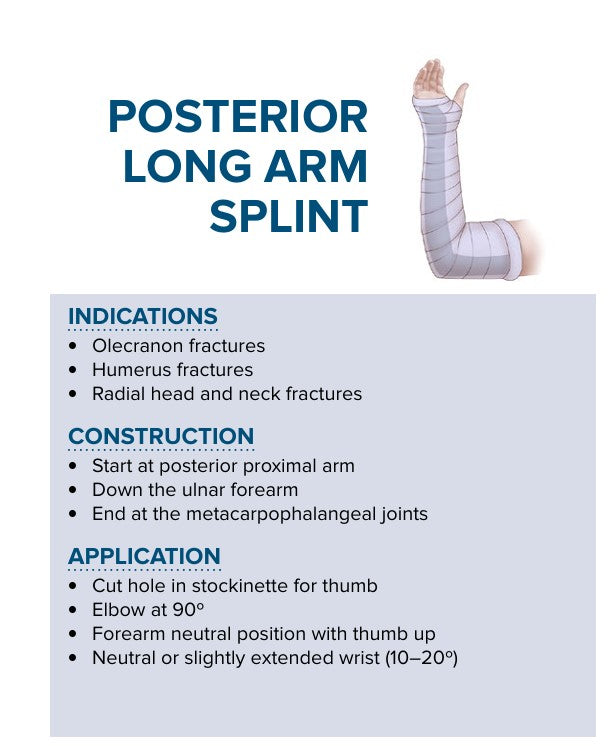


The professional-grade long arm splint used by emergency departments and orthopedic clinics. If you've been searching for a long arm splint, posterior elbow splint, posterior plaster splint, long arm plaster splint, or plaster elbow splint — this is the upgraded fiberglass version that clinicians now use instead. Same posterior long arm immobilization. Lighter weight. Faster setting. More durable than plaster.
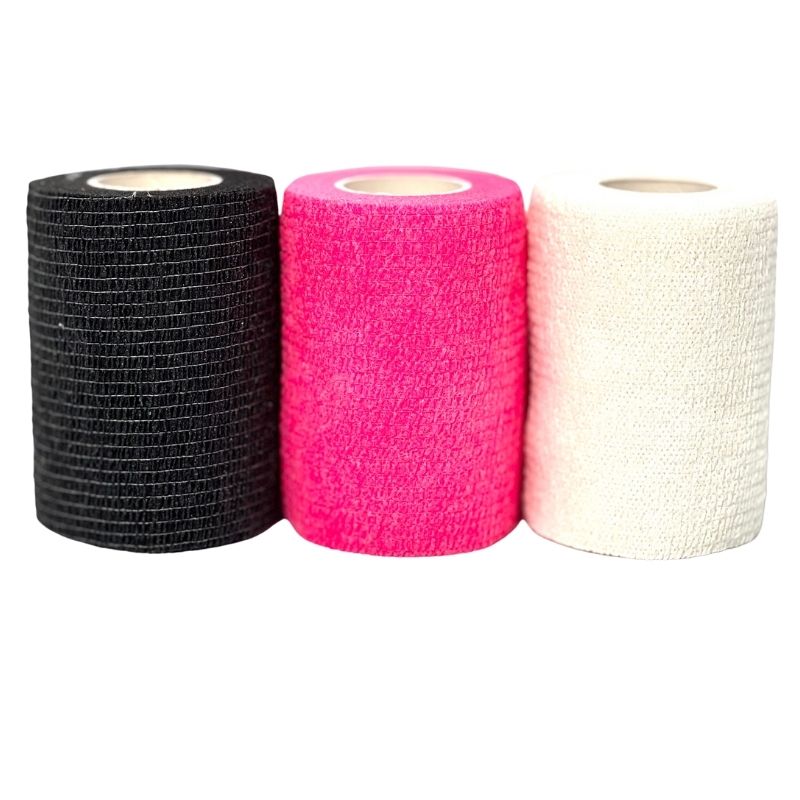
This complete professional-grade kit includes pre-padded synthetic fiberglass splint material, self-adhesive bandages, and synthetic padding for quick, effective treatment of elbow fractures, dislocations, and post-operative care — with no additional materials needed. Sets in just 5–7 minutes.
A long arm splint — also called a posterior elbow splint, posterior long arm splint, or historically a posterior plaster splint — runs along the back (posterior) side of the arm from the upper arm, past the elbow, down the forearm to the wrist and hand. This design immobilizes the elbow joint in a stable position while preventing flexion and extension movements that could disrupt healing.
The long arm splint is the standard of care for elbow fractures, supracondylar fractures in children, and elbow dislocations. Historically, these splints were made from plaster of Paris — hence the common search terms posterior plaster splint and long arm plaster cast. Modern clinical practice has shifted to fiberglass, which sets faster, weighs significantly less, and is far more durable than traditional plaster splints, while providing the same quality of immobilization.
| Long Arm Splint Size | Pre-Cut Splint Dimensions* | Self-Adhesive Bandage | Synthetic Padding |
|---|---|---|---|
| 16 — Male Adult | 5" × 30" | 2 Rolls 4" | 2 Rolls 3" |
| 16 — Female Adult | 4" × 30" | 2 Rolls 3" | 2 Rolls 2" |
| Teen 13–15 | 3" × 35" | 2 Rolls 3" | 2 Rolls 2" |
| Child 6–12 | 3" × 35" | 1 Roll 3" | 1 Roll 2" |
* Trim the splint to the correct length for the individual patient.
Note: Some technicians use padding with their long arm elbow splints, and some do not, as you will see in these videos.

Purchasing your long arm splint kit directly from OrthoTape offers significant advantages over getting it at your doctor's office or emergency room. Emergency room splint applications can cost $300–600 or more when billed through insurance, while our complete kit costs a fraction of that. Our splint materials are the same professional-grade products — if not better — than what your doctor or ER uses, meeting or exceeding all industry standards.
Many medical offices have limited inventory and may only stock basic white bandages, while we offer multiple color options. By ordering from us, you get exactly what you need at a fraction of the cost, with fast shipping directly to your door. You can bring this kit to your doctor's appointment or urgent care for application, or if you're trained, apply it yourself.
Our long arm splint kits are designed by medical professionals for medical professionals and informed patients. We understand the importance of having reliable, high-quality materials that are easy to use and provide excellent patient outcomes.
A long arm splint is used to immobilize the elbow, forearm, and wrist following fractures, dislocations, or severe sprains. It is the standard of care for elbow fractures (including distal humerus and olecranon fractures), supracondylar fractures in children, and elbow dislocations. The splint runs from the upper arm past the elbow to the wrist, preventing harmful movement during healing.
A posterior elbow splint — also called a posterior long arm splint — is applied along the back (posterior) surface of the arm. This placement provides stable immobilization of the elbow joint while keeping the arm in a functional position. It is the most common splint configuration used for elbow fractures and dislocations in both emergency and orthopedic settings.
The duration depends on the type and severity of the fracture. Most elbow fractures require a long arm splint for 3–6 weeks. Supracondylar fractures in children are typically splinted for 3–4 weeks, while more complex fractures or post-surgical cases may require longer immobilization. Your orthopedic surgeon or treating physician will determine the appropriate duration based on X-ray healing progress.
Yes. Long arm splints are commonly used for pediatric elbow fractures, particularly supracondylar fractures, which are among the most common fractures in children ages 5–10. Our kit includes a Child 6–12 size with appropriately scaled splint dimensions and bandage widths for smaller arms. Always have a medical professional evaluate and apply the splint for pediatric patients.
Yes — fiberglass is now the clinical standard over plaster for long arm splints. Fiberglass is significantly lighter (reducing arm fatigue during wear), sets faster (5–7 minutes vs. 24–72 hours for plaster), is more durable and water-resistant, and is radiolucent for X-ray compatibility. Plaster splints are still used in some settings but fiberglass has largely replaced them in modern emergency and orthopedic care.
Looking for a different splint type? OrthoTape offers complete fiberglass splint kits for upper and lower extremities — all with the same pre-padded, ready-to-apply design:
| Splint Kit | Best For |
|---|---|
| Posterior Knee Splint Kit | Knee fractures, sprains & post-op care |
| Posterior Ankle Splint Kit | Ankle fractures & sprains |
| Stirrup Ankle Splint Kit | Lateral ankle stability |
| Volar Wrist Splint Kit | Wrist fractures & sprains |
| Volar/Dorsal Wrist Short Arm Splint Kit | Short arm immobilization |
| Sugar Tong / Reverse Sugar Tong Wrist Kit | Distal radius fractures |
| Ulnar Gutter Splint Kit | Boxer fractures (4th/5th metacarpal) |
| Thumb Spica Splint Kit | Thumb fractures & sprains |
→ View All Fiberglass Splint Kits
OrthoTape is an authorized dealer of all products sold on this site. This product should be applied by a trained medical professional or for educational training. Always consult a doctor before use for proper diagnosis and treatment. Elbow and arm injuries should be evaluated by a medical professional to rule out serious fractures, nerve damage, or vascular complications. FSA/HSA eligible — check with your plan administrator. HCPCS: A4570.