
Injury-guides
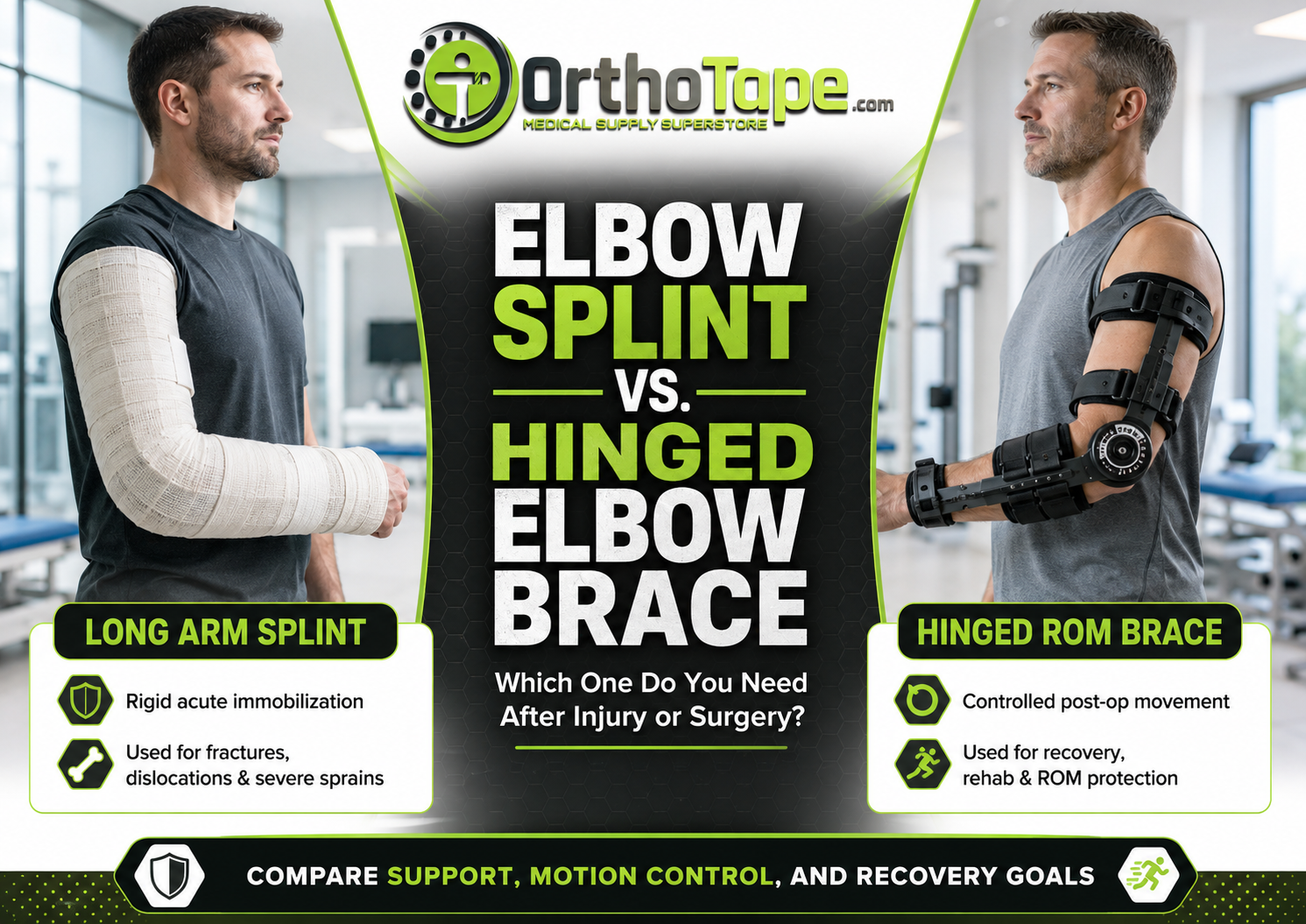
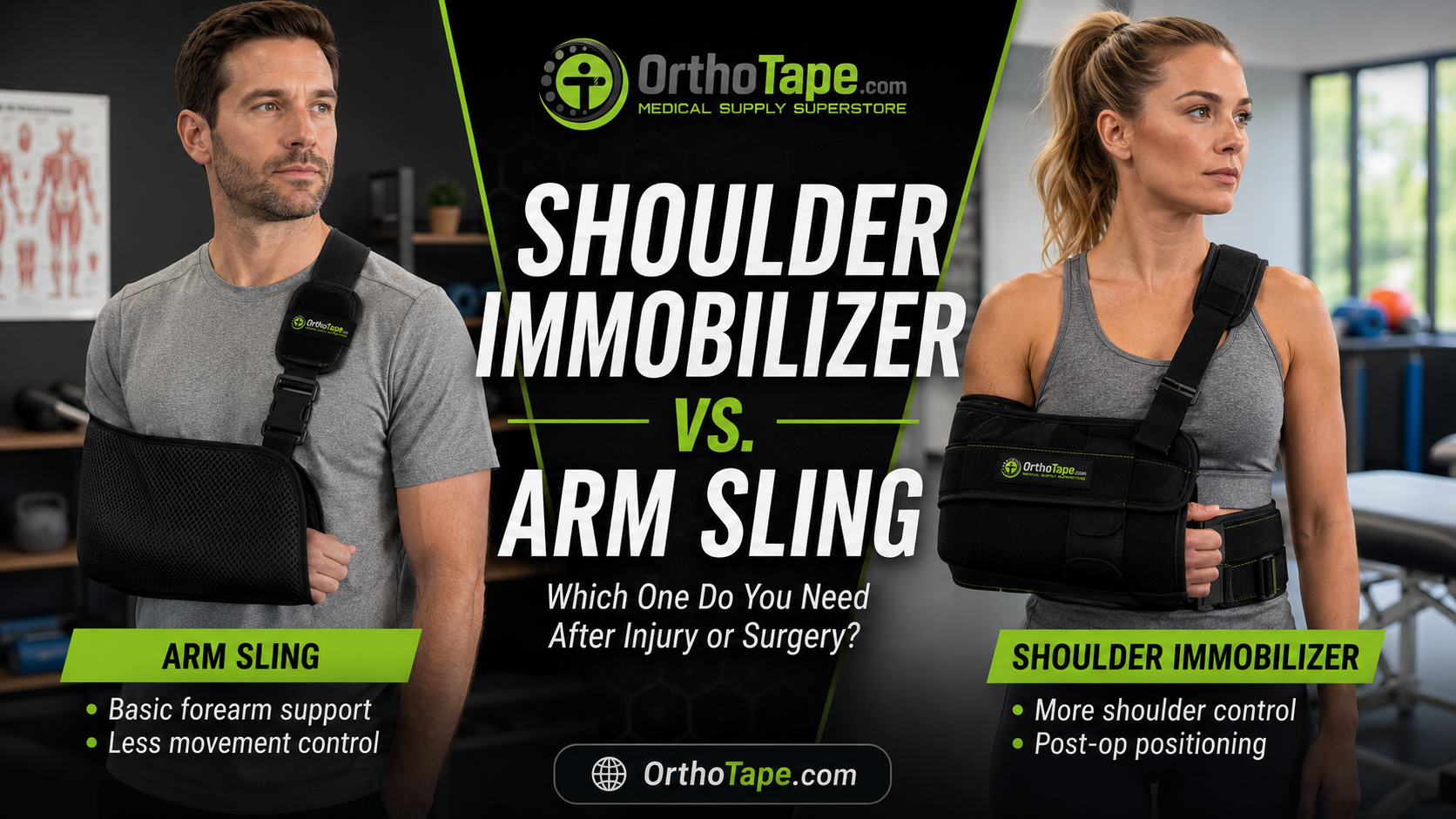
Shoulder Immobilizer vs. Arm Sling: Which One Do You Need After Injury or Surgery?
Compare a basic arm sling, shoulder immobilizer, abduction-pillow sling and rigid shoulder abduction brace. Learn how each design supports the arm, restricts movement and fits different injury and post-operative recovery plans.
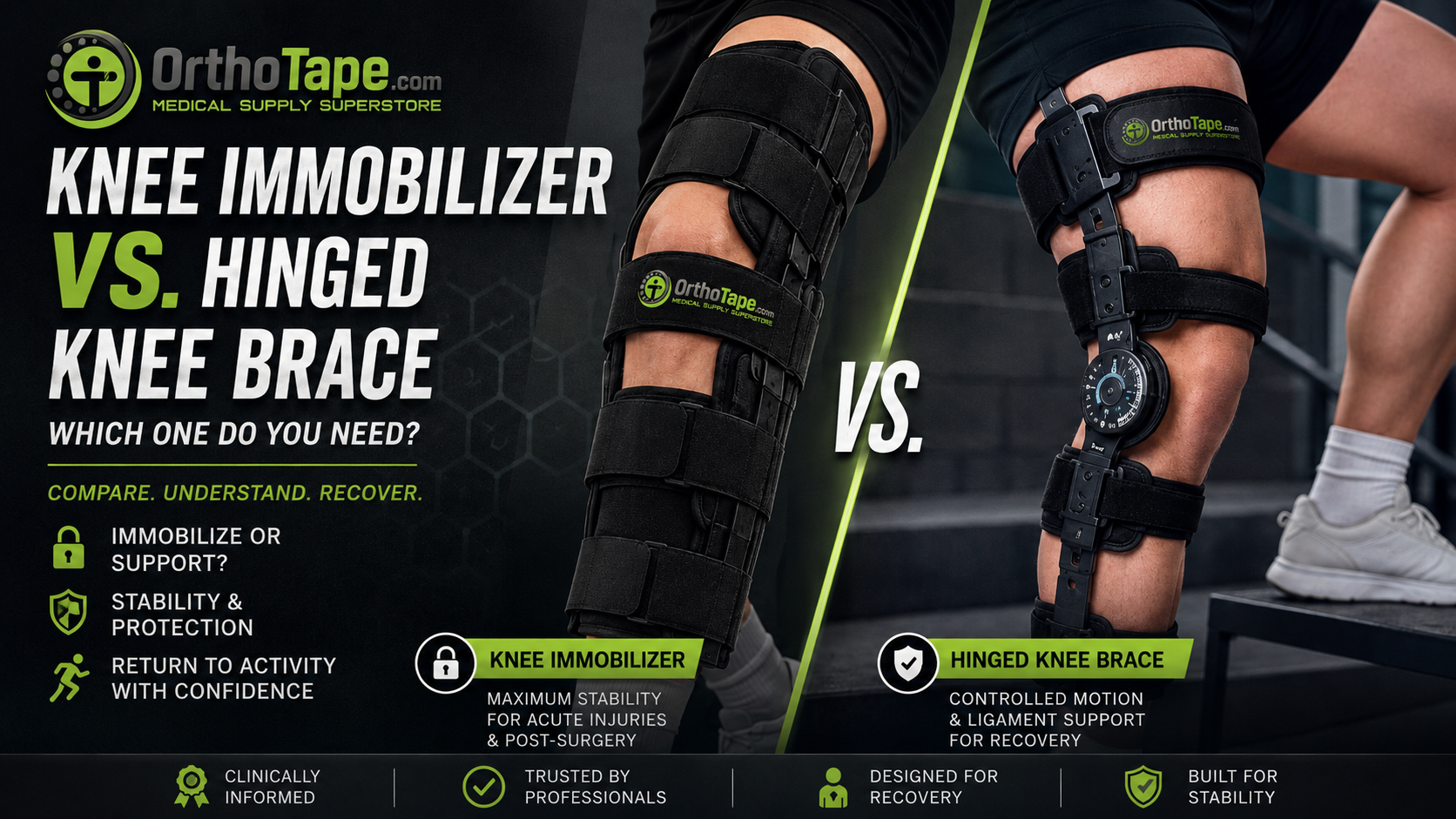
Knee Immobilizer vs. Hinged Knee Brace: Which One Do You Need?
Compare a knee immobilizer with hinged knee braces for acute injuries, surgery, controlled range of motion and ligament support. Learn how each design works, when clinicians may use it and which OrthoTape products fit each recovery stage.
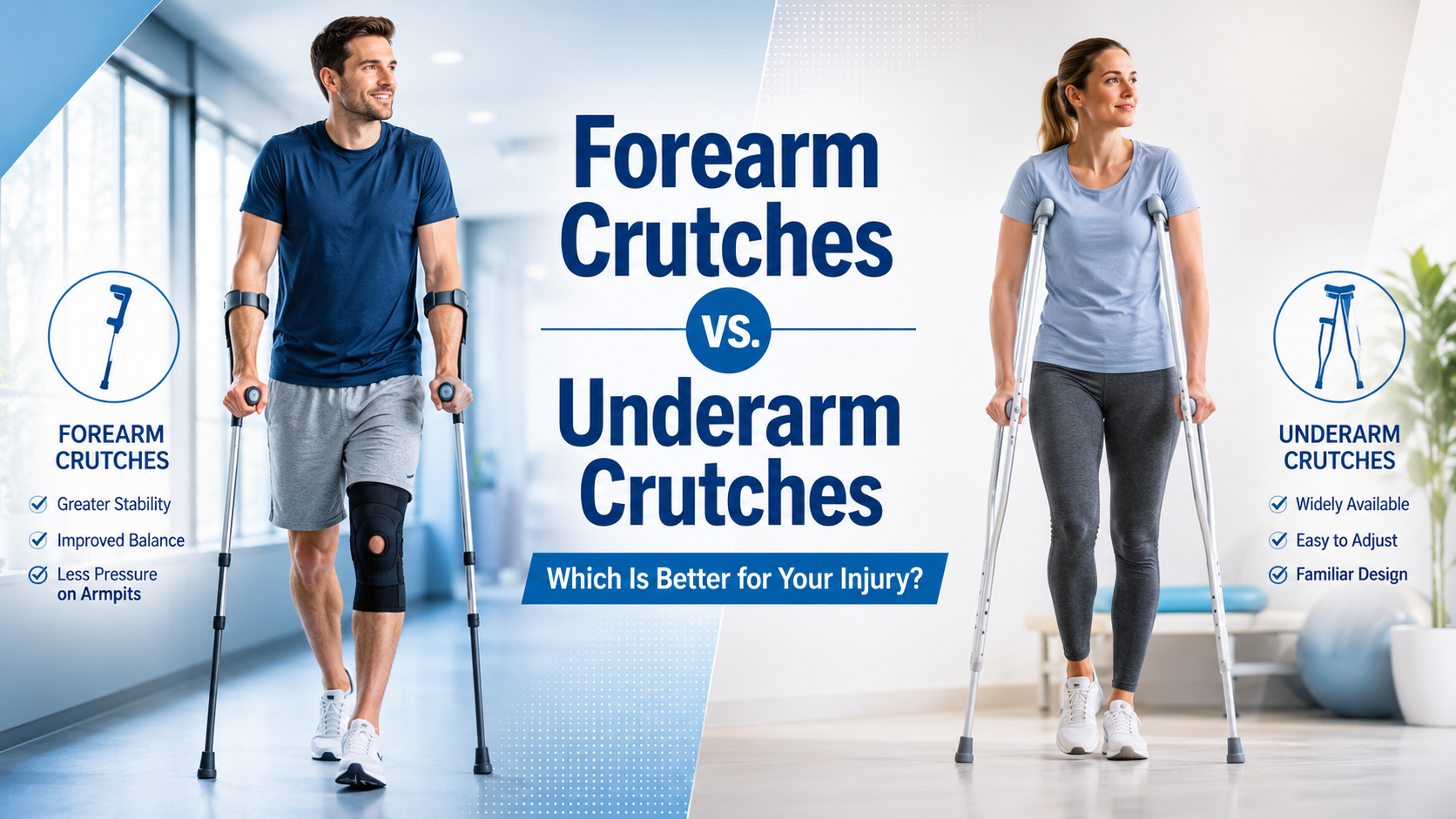
Forearm Crutches vs. Underarm Crutches: Which Is Better for Your Injury?
Compare forearm crutches and underarm crutches by comfort, stability, long-term use, sizing, common mistakes and injury type. Learn which style may be better for temporary recovery, long-term mobility and everyday function.

Types of Wrist and Hand Splints: Sugar Tong, Volar, Thumb Spica & Ulnar Gutter
Learn the differences between common wrist and hand splints, including sugar tong, volar wrist, thumb spica, ulnar gutter and radial gutter splints. Compare the areas they support, the movements they restrict and the injuries for which each may be considered.
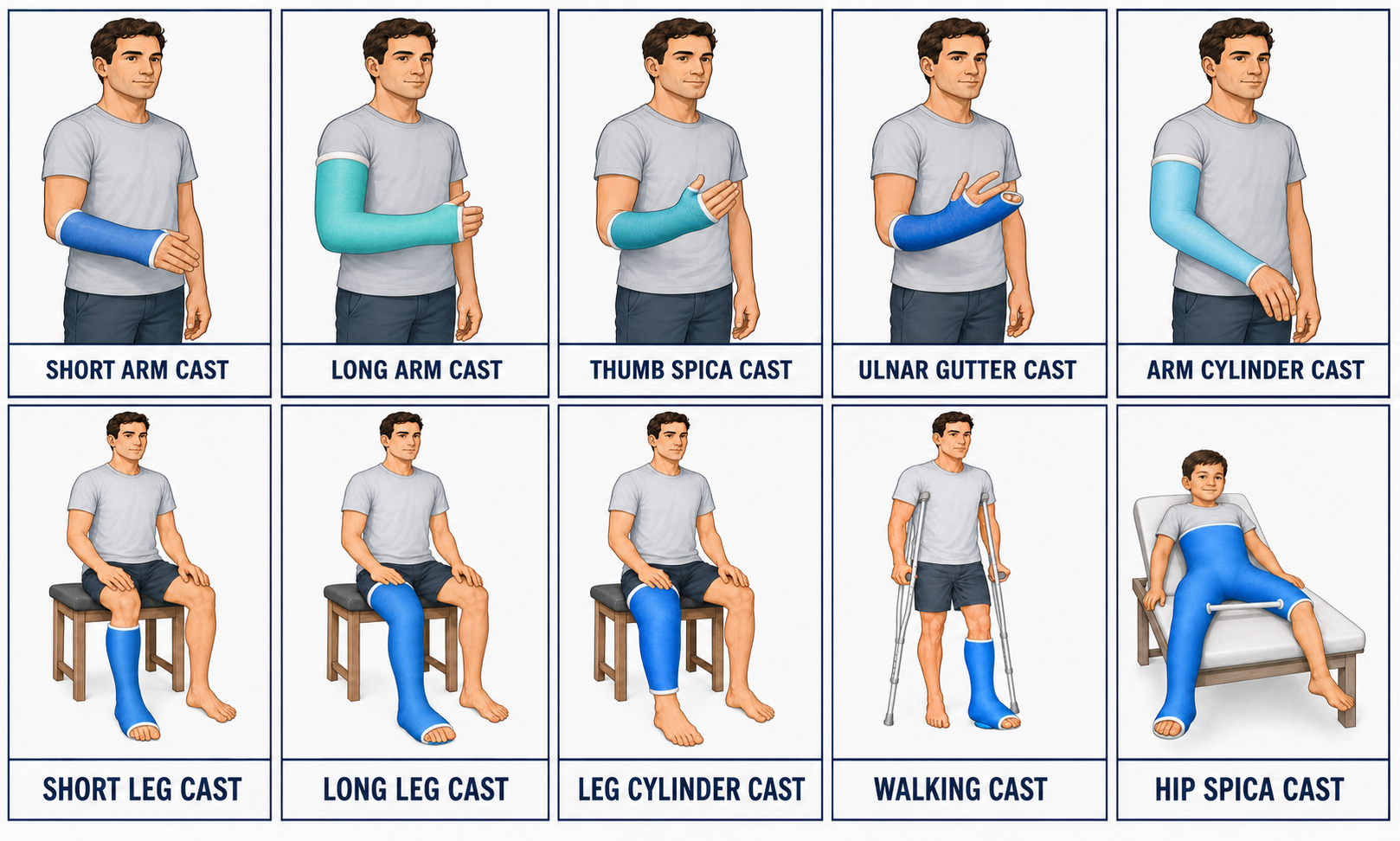
Types of Casts for Broken Bones: Arm, Leg, Fiberglass & Waterproof Casts

Short Walking Boot vs. Tall Walking Boot: Which Cast Boot Is Right?
A short walking boot is usually selected for injuries concentrated in the toes, forefoot or metatarsals, while a tall walking boot provides more ankle and lower-leg immobilization. Compare cast boots for a broken foot, fifth metatarsal, fibula, ankle and Achilles injuries, including air and non-air options.
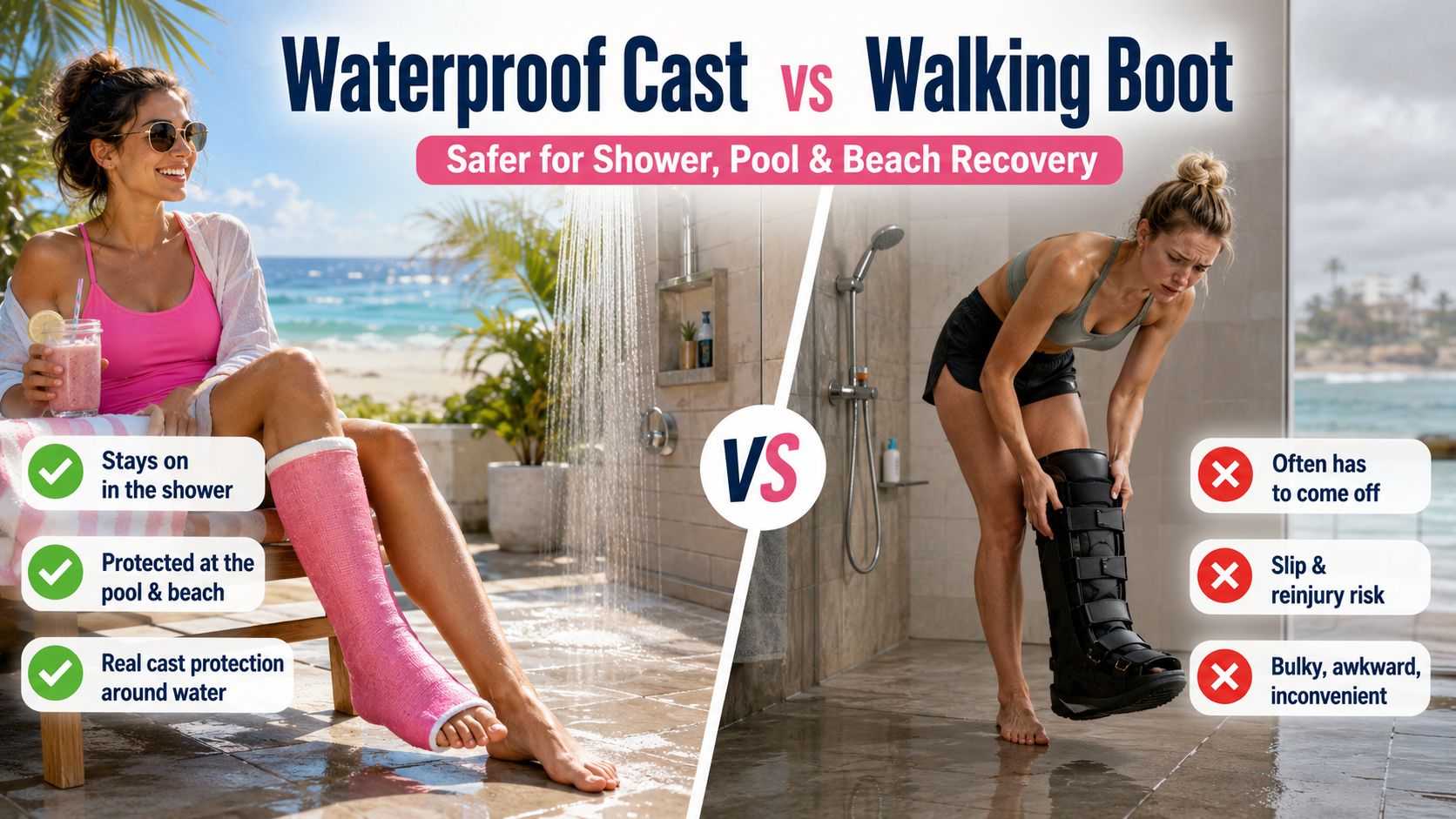
Waterproof Cast vs Walking Cast Boot: Safer for Shower, Pool, and Beach Recovery
A waterproof short leg cast can stay on in the shower, pool, or at the beach when medically approved. A walking boot often has to come off, creating slip, fall, and reinjury risk.
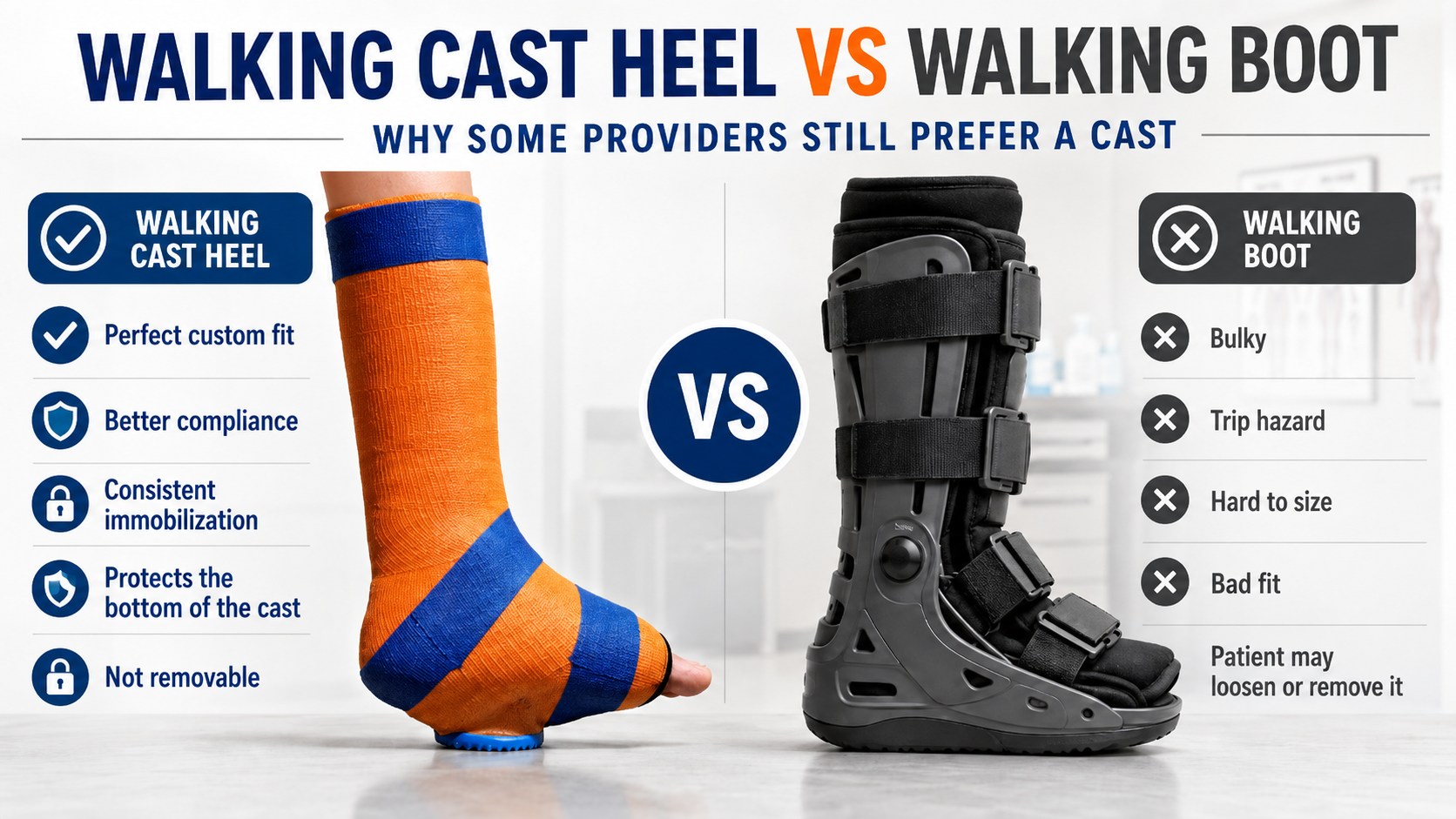
Walking Cast Heel vs Walking Boot: Why Some Providers Still Prefer a Cast
Walking boots are common, but they are not always the best answer. In some cases, the treating provider may want the patient to remain in a short leg cast while still allowing limited or protected walking.
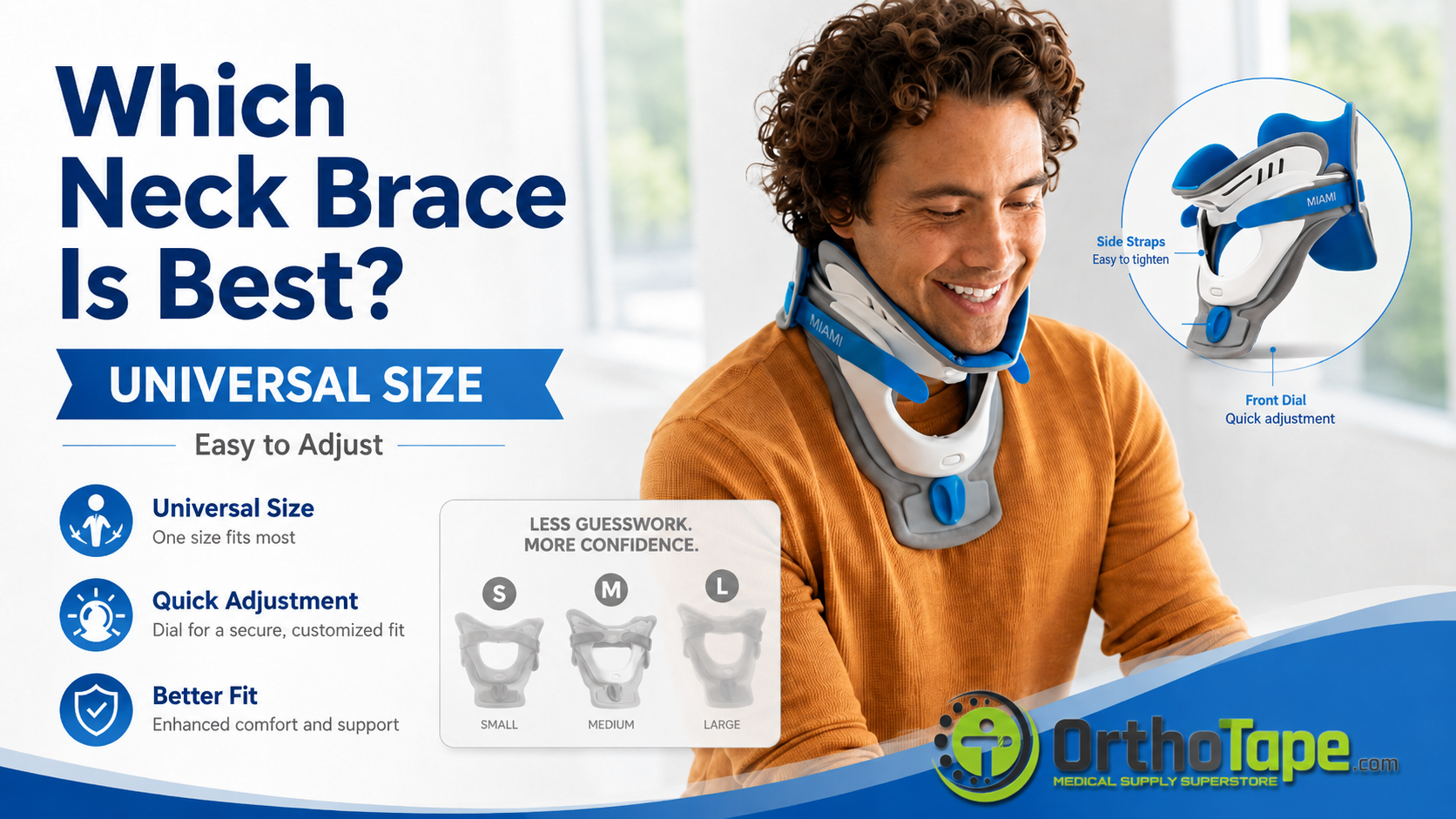
Which Neck Brace Is Best? Cervical Collars & CTOs – OrthoTape
Choosing the right neck brace depends on your diagnosis, the level of support your physician prescribed, and how long you'll need to wear it. At OrthoTape, we carry clinician-trusted cervical collars and cervical thoracic orthoses (CTOs) from leading brands including Ossur and DeRoyal — the same devices used in hospitals, orthopedic clinics, and rehabilitation centers across the United States. This guide walks you through the most common neck brace types, who needs them, and how to choose the right one for your recovery.
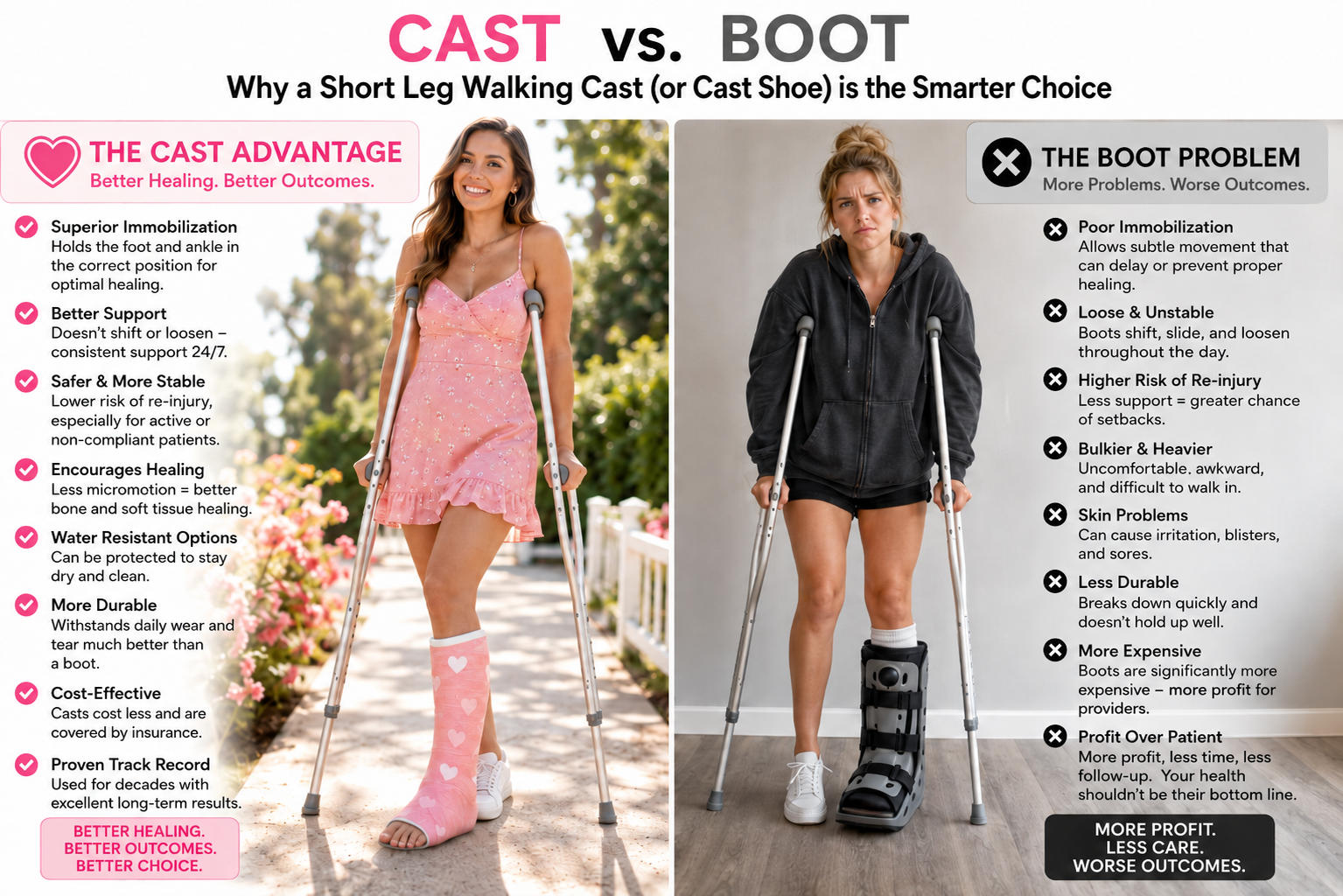
Walking Boot vs Cast: What Patients Are Not Told About Medical Boots